

Is Bleeding After Menopause Always Cancer?
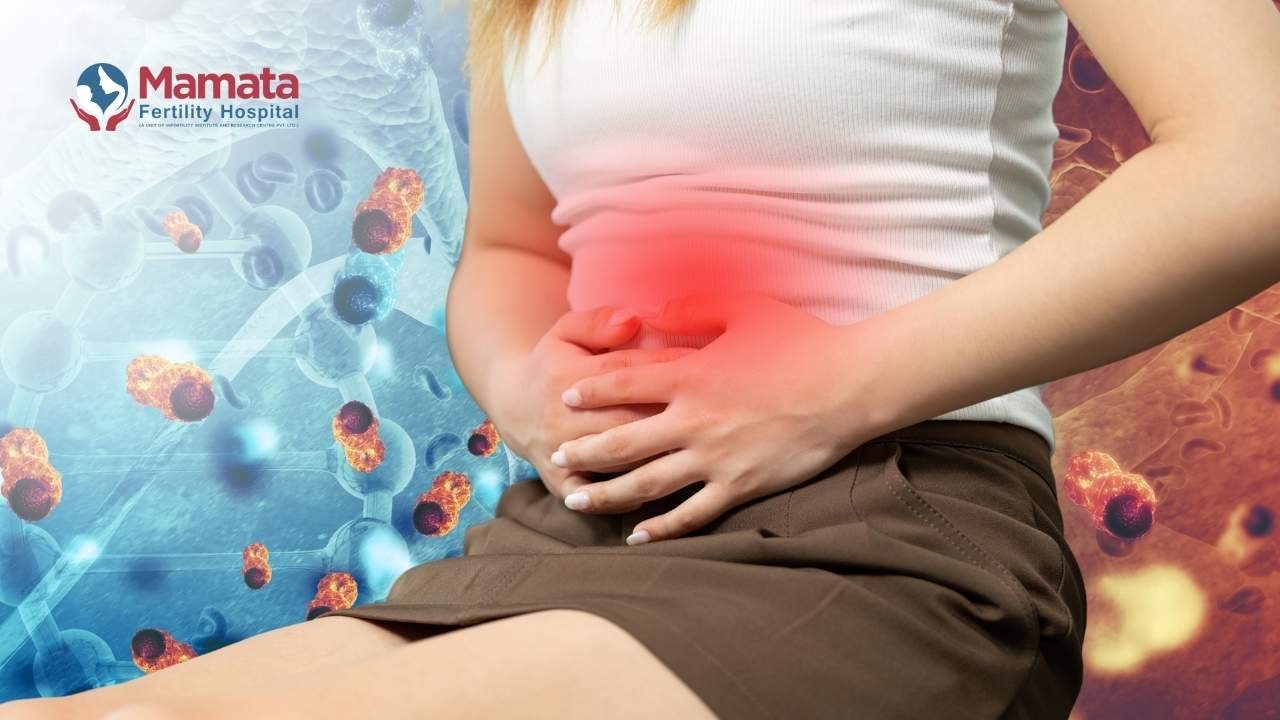
As a doctor, one of the first things I tell concerned patients is this: while postmenopausal bleeding is never “normal,” it isn’t always a sign of cancer. Any vaginal bleeding that occurs 12 months or more after your final period should be evaluated, but in most cases, the underlying causes are both treatable and non-life-threatening. That said, early diagnosis is key. Around 1 in 10 cases can be linked to uterine cancer if left unaddressed. I’m here to give you clear, caring information that will help you and give you power.
Understanding Postmenopausal Bleeding
“Postmenopausal bleeding” refers to any vaginal bleeding ,bright red, pink spotting, or even brown stains occurring at least a year after your final period. Even light spotting matters.
Common Causes
1. Thin Vaginal/Uterine Lining
After Menopause, estrogen drops dramatically. This causes tissues to thin and become dry, making them prone to bleeding from simple actions like sex or pelvic exams. I often treat this with low-dose vaginal estrogen or gentle moisturizers, which resolve the issue quickly.
2. Polyps and Fibroids
These small, usually harmless growths in the uterus or cervix can bleed if irritated. Removing them via Little Harmful, the procedure often brings relief.
3. Thickened Uterine Lining (Endometrial Hyperplasia)
This involves a buildup of the uterus lining, sometimes with precancerous changes. I treat it with progesterone therapy or a simple D&C procedure, and monitoring is straightforward.
4. Hormone Medications
Starting or adjusting hormone replacement therapy or taking medications like tamoxifen can occasionally trigger bleeding. We often adjust dosages or switch treatments with good results.
5. Infections or Minor Trauma
Issues like cervicitis (cervical inflammation) or minor injury can cause bleeding, easily resolved with a course of antibiotics or a brief healing period.
When It’s Cancer or More Serious
While less common, these serious causes still show up in around 10% of cases:
- Endometrial (uterine) cancer: This is the most frequent cancer linked to postmenopausal bleeding. In clinics and studies, about 9–10% of women with bleeding are diagnosed with this cancer—and in over 90% of cases, bleeding was the first noticeable symptom. Treating early almost always leads to a cure.
- Cervical, vaginal, and vulvar cancers: Less common, but checked during routine exams and biopsies if indicated.
- Rare sources: Occasionally, bleeding from the bladder, bowel, or other pelvic organs may mimic vaginal bleeding—especially if initial tests come back normal.
Can Stress Cause Postmenopausal Bleeding?
You might wonder, “Can stress cause postmenopausal bleeding?” Emotional stress doesn’t directly cause bleeding like physical injury does, but it can affect hormone balance and make existing thinning tissues bleed more easily. For example, in times of grief or upheaval, I’ve seen heightened spotting in women whose mucous membranes were already fragile. That’s why I always perform a full medical evaluation first—stress may play a role, but only after other causes are ruled out.
Lifestyle and Prevention Tips
Even though you can’t prevent every case of bleeding, you can lower your risk:
- Keep a healthy weight.
- Manage diabetes and high blood pressure.
- Choose combined estrogen-progestin hormone regimens and follow your doctor’s plan.
- Use vaginal moisturizers.
- Schedule regular gynecology checkups.
- Explore stress relief strategies like meditation, counseling, or gentle exercise.
Emotional Support:
I’ve treated many women who felt scared or alone when they noticed bleeding after menopause. My message is always, “Your concern is valid, and help is available.”
Final Thoughts
Bleeding after menopause is not always cancer—but it’s never something to ignore. Anytime you notice bleeding, speak up. Early evaluation gives you the best outcomes, whether it’s a simple fix like moisturizers or a more serious diagnosis. So if you’ve been asking, “Should I go to the hospital for bleeding after menopause?” The answer is a confident yes. Prompt diagnosis leads to timely care.
Remember, Mamata Fertility Hospital Hyderabad and clinics like it are here to support every stage of your reproductive journey. If you need guidance, reassurance, or just someone to talk to, we’re here for you.

Dr Aarti Deenadayal Tolani
MBBS, MS ( OBGYN), FICOG
Clinical Director, Scientific In- Charge & Fertility Consultant with 20+ years Of Experience
Her Expertise:
CONSULT FERTILITY SPECIALIST

BLOGS & ARTICLES
IVF Diet: What to Eat Before and During Treatment
Discover what to eat before and during IVF treatment, including fertility-friendly foods, key nutrients, foods to limit, and practical diet tips to support your IVF journey. Mamata fertility Hospital
IVF with Endometriosis: What to Expect and How It’s Managed
Learn how endometriosis can affect fertility, what to expect during IVF, treatment options, and how IVF is managed for patients with endometriosis at Mamata Fertility Hospital.
No Period After Pregnancy: When to Worry?
No period after pregnancy can be due to breastfeeding, hormonal shifts, or health issues. Mamata Fertility Hospital Hyderabad offers expert postpartum care.
Is Vaginal Dryness a Sign of Pregnancy or Period?
Vaginal dryness can happen before a period or in early pregnancy due to hormonal changes, but it’s not a reliable sign. Consult a doctor for clarity!
How To Increase Cervix Length During Pregnancy?
Cervical length impacts pregnancy health. A short cervix raises preterm labor risk, but medical treatments and lifestyle changes can help manage it.
Does Brown Discharge Mean Pregnancy?
Does Brown Discharge Mean Pregnancy? Medically reviewed by Dr. Aarti Deenadayal Tolani, Fertility Specialist & IVF Expert, Mamata Fertility Hospital, HyderabadBrown Discharge Brown discharge can be alarming, especially when you’re unsure what it means. For women...
How to Get Periods Immediately to Avoid Pregnancy?
Home > Blogs > How to Get Periods Immediately to Avoid Pregnancy?How to Get Periods Immediately to Avoid Pregnancy?Medically reviewed by Dr. Aarti Deenadayal Tolani, Fertility Specialist & IVF Expert, Mamata Fertility Hospital, HyderabadWondering how to get...
Egg Freezing – Procedure, Cost, Risks, Benefits | 2026
Thinking about egg freezing in India? Get 2026’s real costs, step-by-step procedure, risks, recovery time, age limit & benefits — explained simply. Mamata Fertility Hospital
Why Indian Celebrities Are Choosing Egg Freezing
List of indian celebrities who Choosing egg freezing · Kriti Sanon · Priyanka Chopra Jonas · Ekta Kapoor · Sania Mirza · Mona Singh · Richa Chadha – mamata fertility Hospital
What is BPD in Pregnancy?
Discover the meaning of BPD in pregnancy, its role in fetal growth monitoring, and why it’s essential for your baby’s health. Learn how Mamata Fertility Hospital Hyderabad ensures accurate care.
