

When should I worry about endometrial thickness?
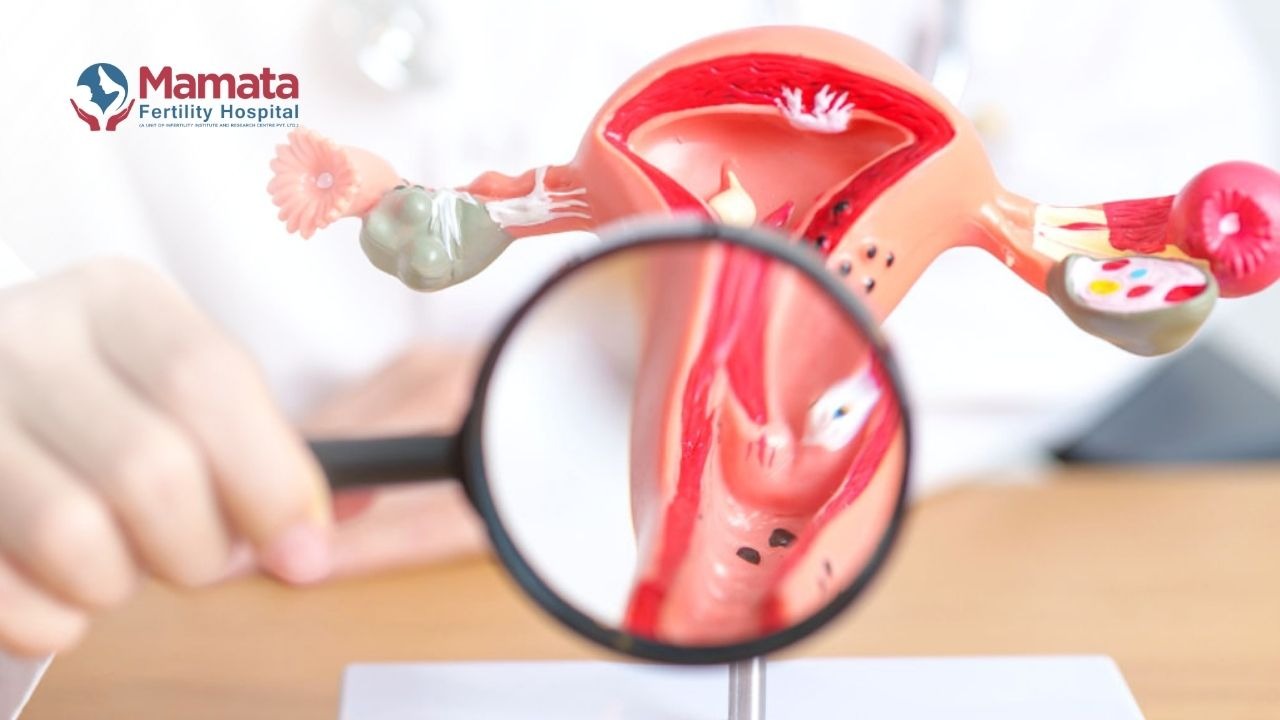
If you’ve been told your endometrial lining is “too thick” or “too thin,” it’s natural to feel confused or a little nervous. I hear this concern often from women at all stages of life whether they’re trying to conceive or postmenopausal. So let’s talk about it. In simple terms, endometrial thickness refers to how thick the inner lining of your uterus is, as seen on an ultrasound.
This thickness can change naturally during your cycle, but in some cases, it can be a sign of an underlying issue especially when symptoms like abnormal bleeding are present.
It’s important to know when to be concerned because changes in this lining can sometimes point to endometrial cancer risk factors or hormonal imbalances that need treatment.
What Is Endometrial Thickness and Why Does It Matter?
The endometrium is the soft tissue that lines the inside of the uterus. Every month, in women of reproductive age, it builds up to prepare for a possible pregnancy. If no pregnancy happens, this lining sheds as your period.
What’s considered a “normal” thickness depends on your age and where you are in your menstrual cycle:
- During menstruation: 1–4 mm
- Pre-ovulation (proliferative phase): 5–16 mm
- Post-ovulation (secretory phase): up to 18 mm
- Postmenopausal women without bleeding: under 5 mm is generally normal
- Postmenopausal women with bleeding: less than 4 mm is reassuring
During pregnancy, a well-thickened lining is important. Ideally, endometrial thickness in pregnancy (or during fertility treatment) should be around 8–15 mm to support implantation. If it’s consistently under 7 mm, it may affect your ability to conceive.
Endometrial thickness must always be interpreted based on your age, menstrual cycle, and symptoms. If you would like a doctor to review your scan findings, you may call 8790337035 to speak with our team.
When Should You Be Concerned?
From my clinical experience at Mamata Fertility Hospital Hyderabad, here’s how I help patients decide when further tests or treatments are necessary:
1. In Women Still Having Periods
A slightly thicker endometrium is often normal, especially in the second half of your cycle. But we may need to investigate further if you experience:
- Heavy, prolonged, or irregular periods
- Spotting between cycles
- Infertility or failed IVF attempts with a lining <7 mm
These symptoms can point to hormone imbalances or conditions like polyps or fibroids.
2. In Postmenopausal Women
Here’s where we’re more cautious:
- If you have bleeding after menopause, and your endometrial thickness is more than 4 mm, we recommend a biopsy to rule out hyperplasia or cancer.
- Even without bleeding, if your thickness measures over 5–6 mm and you have other endometrial cancer risk factors—such as obesity, diabetes, hypertension, or use of tamoxifen—we may suggest further evaluation.
A lining thicker than 11 mm in postmenopausal women can carry up to a 6–7% chance of cancer, even without bleeding.
What Causes Changes in Endometrial Thickness?
There are many reasons why the endometrium can become unusually thick or thin:
- Hormonal imbalances, especially too much estrogen without enough progesterone
- Polycystic ovary syndrome (PCOS) or irregular cycles
- Obesity, diabetes, and high blood pressure
- Certain medications like tamoxifen (used in breast cancer treatment)
- Family history or genetic risks, like Lynch syndrome
- Reproductive history, including infertility or never having been pregnant
In some cases, thin endometrial lining may also occur due to repeated surgical procedures in the uterus, infections, or low estrogen levels.
Conditions such as hormonal imbalance, polyps, or endometrial hyperplasia may require medical attention. Instead of assuming the worst, you can request an appointment through our contact page.
How Do We Diagnose It?
At Fertility Hospital Hyderabad, we start with a transvaginal ultrasound—a safe, painless scan that gives us an accurate measurement of your lining.
If we see something unusual, we may recommend:
- Endometrial biopsy: A small sample of the lining is taken for lab analysis.
- Hysteroscopy: A small camera is inserted into the uterus to look for growths or abnormal tissue.
- MRI or further imaging, especially if fibroids or other uterine conditions are suspected
What Are the Treatment Options?
Treatment depends on whether your endometrial lining is too thick, too thin, or showing abnormal cells.
If It’s Too Thick:
- Hormonal therapy, usually with progesterone, can help balance out excess estrogen.
- IUDs with progestin, like the Mirena, are effective for long-term control.
- Dilation and curettage (D&C) may be used to remove overgrown tissue.
- Hysterectomy (surgical removal of the uterus) is considered only if precancerous cells are found or you’ve completed childbearing.
If It’s Too Thin (especially in fertility treatment):
- Estrogen supplementation, either oral or vaginal, to help build the lining
- Medications like sildenafil (Viagra) to improve blood flow
- Lifestyle changes, such as stress reduction and proper nutrition
In fertility cases, our team at Mamata Fertility Hospital Hyderabad often combines medical support with personalized lifestyle coaching for better results.
These are all examples of endometrial thickness treatment options tailored to your condition, goals, and reproductive stage.
What Can You Do to Protect Your Uterine Health?
There are steps you can take to reduce your risk of endometrial issues:
- Maintain a healthy weight and manage blood sugar levels
- Track your periods and report any changes early
- Consider hormonal contraceptives or IUDs, especially if you have irregular cycles
- Know your family history—if endometrial or colon cancer runs in your family, ask about genetic screening
Most importantly, listen to your body. Bleeding that feels “off,” no matter how light, especially after menopause, deserves a call to your doctor.
Final Thoughts:
I always tell my patients that endometrial thickness isn’t a diagnosis by itself. It’s a clue. For many women, a thicker or thinner lining is part of a normal cycle. But if you have symptoms or risk factors, we look closer.
When we catch problems early like hyperplasia or even early-stage cancer—outcomes are excellent. Many conditions are entirely treatable without surgery.
Whether you’re concerned about fertility, entering menopause, or just trying to stay proactive about your health, we’re here to guide you with compassion and clarity.
At Mamata Fertility Hospital Hyderabad, our goal is not just treatment, but also education, emotional support, and long-term wellness. If you have concerns about your endometrial thickness, don’t wait. Book a consultation with a gynecologist you trust.
Your body speaks, let’s make sure we’re listening.

Dr Aarti Deenadayal Tolani
MBBS, MS ( OBGYN), FICOG
Clinical Director, Scientific In- Charge & Fertility Consultant with 20+ years Of Experience
Her Expertise:
CONSULT FERTILITY SPECIALIST

BLOGS & ARTICLES
IVF Diet: What to Eat Before and During Treatment
Discover what to eat before and during IVF treatment, including fertility-friendly foods, key nutrients, foods to limit, and practical diet tips to support your IVF journey. Mamata fertility Hospital
IVF with Endometriosis: What to Expect and How It’s Managed
Learn how endometriosis can affect fertility, what to expect during IVF, treatment options, and how IVF is managed for patients with endometriosis at Mamata Fertility Hospital.
No Period After Pregnancy: When to Worry?
No period after pregnancy can be due to breastfeeding, hormonal shifts, or health issues. Mamata Fertility Hospital Hyderabad offers expert postpartum care.
Is Vaginal Dryness a Sign of Pregnancy or Period?
Vaginal dryness can happen before a period or in early pregnancy due to hormonal changes, but it’s not a reliable sign. Consult a doctor for clarity!
How To Increase Cervix Length During Pregnancy?
Cervical length impacts pregnancy health. A short cervix raises preterm labor risk, but medical treatments and lifestyle changes can help manage it.
Does Brown Discharge Mean Pregnancy?
Does Brown Discharge Mean Pregnancy? Medically reviewed by Dr. Aarti Deenadayal Tolani, Fertility Specialist & IVF Expert, Mamata Fertility Hospital, HyderabadBrown Discharge Brown discharge can be alarming, especially when you’re unsure what it means. For women...
How to Get Periods Immediately to Avoid Pregnancy?
Home > Blogs > How to Get Periods Immediately to Avoid Pregnancy?How to Get Periods Immediately to Avoid Pregnancy?Medically reviewed by Dr. Aarti Deenadayal Tolani, Fertility Specialist & IVF Expert, Mamata Fertility Hospital, HyderabadWondering how to get...
Egg Freezing – Procedure, Cost, Risks, Benefits | 2026
Thinking about egg freezing in India? Get 2026’s real costs, step-by-step procedure, risks, recovery time, age limit & benefits — explained simply. Mamata Fertility Hospital
Why Indian Celebrities Are Choosing Egg Freezing
List of indian celebrities who Choosing egg freezing · Kriti Sanon · Priyanka Chopra Jonas · Ekta Kapoor · Sania Mirza · Mona Singh · Richa Chadha – mamata fertility Hospital
What is BPD in Pregnancy?
Discover the meaning of BPD in pregnancy, its role in fetal growth monitoring, and why it’s essential for your baby’s health. Learn how Mamata Fertility Hospital Hyderabad ensures accurate care.
