

How to Improve Egg Quality for IVF Success?
Medically reviewed by Dr. Aarti Deenadayal Tolani, Fertility Specialist & IVF Expert, Mamata Fertility Hospital, Hyderabad
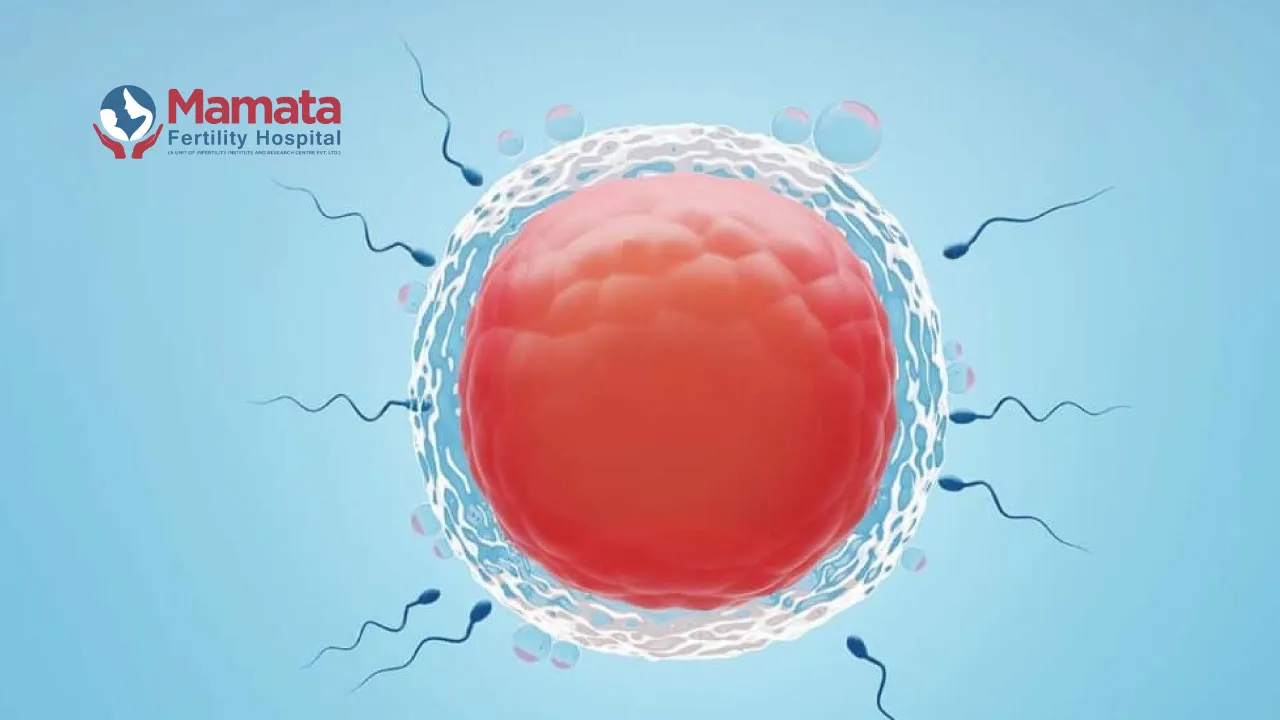
Yes, egg quality can be meaningfully influenced in the months before an IVF cycle but not in the final weeks. Eggs spend approximately 90 days maturing before retrieval, which means any intervention needs to begin at least three months before your cycle to affect the eggs you will actually use. The interventions with the strongest evidence are CoQ10 supplementation, quitting smoking, achieving a healthy BMI, optimising thyroid function, and following a Mediterranean-style diet. DHEA and growth hormone have evidence in poor responders but require medical supervision. Random supplement stacks started two weeks before retrieval will not help.
What Does “Egg Quality” Actually Mean?
Egg quality in the IVF context primarily refers to chromosomal integrity whether the genetic material inside the egg is correctly organised. When an egg has normal chromosomes, it can be fertilised normally, produce a healthy embryo, and result in a viable pregnancy. When chromosomes are abnormal, fertilisation may still occur, but the embryo will either fail to develop, fail to implant, or result in early miscarriage.
This is distinct from but related to mitochondrial function. Eggs are the most mitochondria-rich cells in the human body. Mitochondria produce the energy (ATP) that powers the egg’s ability to complete cell division and support early embryo development. Poor mitochondrial function means lower energy availability, which affects fertilisation and embryo development quality.
Understanding the relationship between egg quality and embryo quality helps clarify why poor egg quality does not always mean poor-looking embryos and why a visually normal embryo can still carry chromosomal errors.
What egg quality is NOT: It is not something visible on ultrasound. Follicle size shows egg maturity, not quality. A large follicle does not guarantee a quality egg. Quality is only truly assessed after fertilisation through embryo grading and chromosomal testing via PGT-A.
The primary determinant of egg quality is age. As a woman ages, the proportion of eggs with chromosomal abnormalities rises. At 35, approximately 50% of eggs carry chromosomal errors. By 42, this can exceed 80%. This is why IVF success rates decline significantly after 38, and why poor egg quality is the primary reason IVF fails in older women.
Age cannot be reversed. But within the parameters of your age and ovarian reserve, egg quality can be supported and optimised. That is what this article is about.
Factors Affecting Egg Quality
Several factors influence the quality of your eggs, ranging from biological conditions to lifestyle choices. Here are some of the key contributors to egg health:
1. Age
Age is one of the most significant factors affecting egg quality. Women’s ovarian reserves and the genetic quality of eggs typically decline as they age, especially after the age of 35.
2. Lifestyle Factors
Habits like smoking, excessive caffeine consumption, and alcohol intake can negatively impact egg quality. Similarly, chronic stress and sleep deprivation affect your hormonal balance, which is vital for fertility.
3. Diet and Nutrition
An unhealthy diet lacking essential nutrients can harm egg quality. Antioxidants, certain vitamins, and omega-3 fatty acids are especially critical for reproductive health.
4. Medical Conditions
Underlying health challenges such as autoimmune disorders tuberculosis, Polycystic Ovary Syndrome (PCOS), endometriosis, or hormonal imbalances can also impair egg quality. Seeking professional advice is essential for managing these conditions effectively.
5. Environmental Toxins
Exposure to environmental toxins, such as pesticides and heavy metals, can disrupt hormone function and adversely affect ovarian health.
6. Genetic
Abnormalities of chromosomes & genes
Lifestyle Tips to Improve Egg Quality
Taking proactive steps to improve your overall health is the foundation of improving egg quality.
1. Eat a Balanced, Fertility-Friendly Diet
Foods rich in antioxidants, healthy fats, and vitamins can protect eggs from oxidative stress. It’s a good idea to include the following in your diet:
- Leafy Greens like spinach and kale, packed with folate and antioxidants.
- Avocados for their healthy monounsaturated fats.
- Nuts and Seeds, particularly walnuts and flaxseeds, which are rich in omega-3 fatty acids.
- Colourful Fruits, such as berries and citrus fruits, for antioxidants and vitamin C.
2. Maintain a Healthy Weight
Being overweight or underweight can disrupt the hormone balance needed for healthy egg production. Aim to achieve and maintain a healthy BMI through a balanced diet and regular exercise.
3. Exercise Moderately
Light to moderate exercise, such as yoga, swimming, or walking, supports blood flow to reproductive organs. Avoid intense or excessive workouts, as they could disrupt your menstrual cycle.
4. Manage Stress
Stress impacts fertility by disrupting hormonal roles crucial for reproduction. Include stress-relieving practices in your routine, such as meditation, mindfulness, or deep breathing exercises.
5. Minimise Exposure to Toxins
Switch to organic produce wherever possible, and avoid prolonged exposure to harmful substances like cleaning chemicals and pesticides. Using BPA-free containers for food storage is another proactive measure to reduce exposure. usage of the proper utensils & methods for cooking food.
Medical Interventions to Enhance Egg Quality
If lifestyle changes aren’t enough, advanced fertility treatments and interventions might be the next step. Here are some medical options to improve egg quality or support the IVF process:
1. Ovarian Stimulation Medication
Certain medications, like Clomiphene Citrate or Gonadotropins, can stimulate egg production to improve the quantity and potentially the quality of eggs retrieved during IVF.
2. Antioxidant Supplements
Supplements such as CoQ10 and DHEA are often prescribed to enhance mitochondrial function and egg quality. Consult with a fertility specialist before starting any supplements.
3. Hormone Therapy
Hormonal therapies may improve egg development where ovarian function is low or imbalanced.
4. Preimplantation Genetic Testing (PGT)
PGT is used during IVF to screen embryos for chromosomal abnormalities. This increases the likelihood of implanting a healthy embryo.
5. Platelet-Rich Plasma (PRP) Therapy
Though still undergoing research, PRP therapy is a promising option that rejuvenates ovarian function by increasing growth-factor concentration near the ovaries.
Medical Interventions Your Doctor May Recommend
Some interventions go beyond supplements and lifestyle and require medical supervision:
Growth Hormone (GH) co-treatment: In poor responders, growth hormone given during stimulation has shown improved egg yield and embryo quality in several randomised trials. Not standard for all patients recommended specifically for poor responders where previous stimulation has been suboptimal.
Testosterone priming: Low-dose transdermal testosterone before stimulation has shown benefit in poor responders in some studies, similar mechanism to DHEA. Requires careful monitoring.
Treating insulin resistance in PCOS: Women with PCOS often have insulin resistance that affects egg quality. Metformin or inositol (myo-inositol + D-chiro-inositol) can improve insulin sensitivity and egg quality metrics in this group.
Protocol optimisation: For poor responders, switching stimulation protocols higher FSH dose, different suppression approach, antagonist protocol may improve egg yield and quality more than any supplement.
Choosing the Right Fertility Specialist
A reliable fertility specialist can provide the guidance, diagnosis, and treatments best suited for your unique circumstances. This is where Mamata Fertility Specialist Hospital in Hyderabad stands out.
Why Mamata?
Mamata Fertility Specialist Hospital offers cutting-edge fertility solutions, with a focus on personalised care. Their team of experts specialises in addressing fertility challenges ranging from poor egg quality to complex underlying medical conditions. With state-of-the-art diagnostics and IVF technologies, Mamata has helped countless couples overcome infertility challenges.
Whether you’re starting your IVF preparations or seeking advanced treatments, booking a consultation with an experienced fertility specialist in Hyderabad can be a critical step forward in your fertility journey.
What Does NOT Improve Egg Quality
Being honest about this matters because the supplement market for fertility is substantial and largely unregulated.
What to approach sceptically:
- “Fertility superfood” products with no RCT evidence
- Detox or cleanse protocols the liver and kidneys handle detoxification; no evidence these protocols affect egg quality
- Castor oil packs no clinical evidence
- Supplements started 2–4 weeks before retrieval too late for the 90-day window
- High-dose supplement stacks without clinical guidance some supplements interact, and more is not always better
The real risk of the supplement market: Many women in Hyderabad and across India spend significant money on unproven fertility supplements while not addressing the higher-impact changes BMI, smoking, thyroid, diet. The hierarchy matters.
If you are preparing for IVF and want to know which specific supplements and interventions are appropriate for your situation, a pre-IVF optimisation consultation is the right first step.
Our team at Mamata Fertility, Hyderabad, reviews ovarian reserve markers, previous cycle history, BMI, thyroid function, and lifestyle before making specific recommendations. Request a pre-IVF optimisation consultation bring your most recent AMH, FSH, and antral follicle count results.
Frequently Asked Questions
Q: How long before IVF should I start taking supplements for egg quality?
At least 3 months (90 days) before your planned egg retrieval date. This is the minimum needed to affect the quality of eggs that will be retrieved, as eggs spend approximately 90 days maturing before they are ready for retrieval. Starting 4–6 months before is even better, particularly for poor responders.
Q: Is CoQ10 safe during IVF?
Yes. CoQ10 is well-tolerated at doses of 300–600mg/day. It is typically continued through stimulation up to egg retrieval. No significant safety concerns have been identified in fertility studies. Discuss dosing with your doctor, particularly if you are on any medications, as CoQ10 can interact with blood thinners.
Q: Can I improve egg quality if I have low AMH?
Yes, to a degree. Low AMH reflects diminished ovarian reserve fewer eggs available but the quality of those remaining eggs can still be supported through the interventions above. DHEA is particularly worth discussing with your doctor if your AMH is low. However, it is important to have realistic expectations: supplements and lifestyle cannot restore egg quantity significantly once ovarian reserve is depleted.
Q: Does diet really affect egg quality?
Yes, meaningfully so. The Mediterranean diet has the strongest evidence. a 2018 study found significantly higher IVF pregnancy rates in women with high dietary adherence. The mechanism involves antioxidant intake, omega-3 fatty acid incorporation into egg cell membranes, and reduced systemic inflammation. Dietary change is also free and has no downside it is one of the highest-leverage interventions available.
Q: Will stress affect my egg quality?
Chronic, sustained stress elevated cortisol over months can disrupt the hypothalamic-pituitary-ovarian axis and affect follicular development. A single stressful event (job stress, a difficult week) does not acutely damage eggs. But if you have been under significant chronic stress for months before your cycle, addressing it during the 90-day preparation window is worthwhile.
Q: My previous IVF cycle had poor embryo quality. What should I change?
The most impactful changes for the next cycle depend on what specifically happened. If embryos arrested early (before day 5), mitochondrial support (CoQ10, antioxidants) and protocol review are the priority. If fertilisation was good but implantation failed, the investigation shifts to uterine factors rather than egg quality alone. A review of your previous cycle with your fertility specialist, with specific focus on embryo development data, is the essential starting point. Read our guide on what to do after a failed IVF cycle for a full investigation framework.
Q: Can I improve egg quality after 40?
Yes, though age remains the dominant variable. The interventions above CoQ10, Vitamin D, Mediterranean diet, thyroid optimisation, quitting smoking are all still relevant and worthwhile after 40. Realistic expectations matter: at 42, even optimal egg quality support cannot restore the chromosomal integrity rates of a 32-year-old. Donor egg IVF becomes an increasingly important conversation for women over 42 with own-egg IVF failures.
Proactive Steps for Better Results
Improving egg quality isn’t something that happens overnight—it’s a gradual process requiring consistent effort and informed decisions. Begin incorporating positive lifestyle changes today, and be open to seeking medical assistance if necessary.
Remember, fertility treatments are as much about emotional resilience as they are about physical readiness. Reach out to specialists like those at Mamata Fertility Specialist Hospital for expert advice, support, and the best possible care.
If you’re ready to take the next step, schedule a consultation with Mamata Fertility Specialist Hospital in Hyderabad today. Improving your egg quality could pave the way for achieving your dream of parenthood.

Dr Aarti Deenadayal Tolani
MBBS, MS ( OBGYN), FICOG
Clinical Director, Scientific In- Charge & Fertility Consultant with 20+ years Of Experience
Her Expertise:
CONSULT FERTILITY SPECIALIST

LATEST BLOGS

How to Read and Interpret a Semen Analysis Test Report?
Learn how to read and interpret a semen analysis report, including sperm count, motility, morphology, semen volume, vitality, Total Motile Count, and WHO 2021 reference values.

How to Choose an IVF Clinic: A Patient’s Checklist
Choosing an IVF clinic? Use this patient checklist to compare diagnosis, ART registration, success rates, costs, treatment teams, add-ons and support.

Understanding Sperm DNA Fragmentation Test and IVF Success
Understand sperm DNA fragmentation testing, DFI levels, causes of high sperm DNA damage, and how SDF can affect IVF, ICSI, embryo quality and miscarriage risk.

Oligospermia Treatment: Low Sperm Count & Pregnancy Options
Oligospermia means a low sperm count. Learn its causes, diagnosis, treatment options, IUI, IVF with ICSI, and chances of conception.
