

How to Increase Endometrial Thickness for IVF?
Medically reviewed by Dr. Aarti Deenadayal Tolani, Fertility Specialist & IVF Expert, Mamata Fertility Hospital, Hyderabad
Endometrial thickness can be increased through estrogen therapy, dietary changes, improved blood flow, and advanced treatments like PRP or G-CSF infusion. An ideal thickness of 7–14mm is required for a successful embryo transfer. If your lining is below this threshold, a fertility specialist can create a personalised plan before your next IVF cycle.
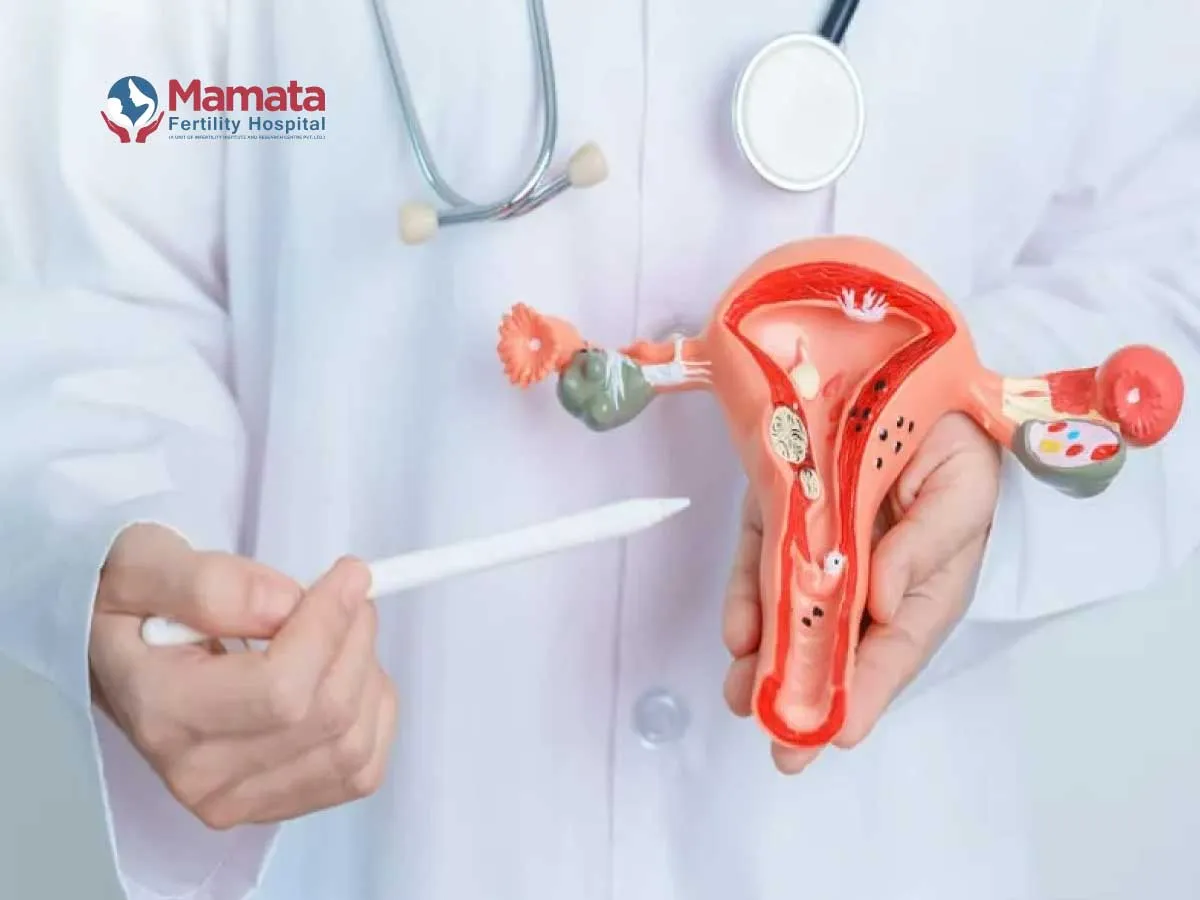
What Is Endometrial Thickness and Why Does It Matter?
Endometrial thickness refers to the measurement of the uterine lining in millimetres, assessed via transvaginal ultrasound. During an IVF cycle, your doctor will monitor this measurement closely as your transfer date approaches.
A healthy endometrial lining typically shows a triple-line pattern on ultrasound — three distinct layers that indicate the tissue is well-developed and responsive to hormones. This pattern, combined with adequate thickness, signals that the uterus is ready to receive an embryo.
Target range: 7–14mm at the time of embryo transfer is considered optimal. Most fertility specialists aim for at least 8mm before proceeding with a transfer. A lining below 7mm on transfer day raises the risk of implantation failure and may, in some cases, lead to a cycle cancellation.
Can the Endometrium Thicken in 2 Days?
Yes, under the right conditions, the endometrium can experience noticeable thickening in just two days. This growth is due to the influence of estrogen, the hormone responsible for stimulating endometrial development. With appropriate hormonal support or lifestyle adjustments, it’s possible to promote this rapid improvement. However, the extent of thickness achieved depends on underlying health factors and the body’s response to treatment.
What Foods Help Thicken the Uterine Lining for IVF?
Certain nutrient-rich foods can improve endometrial thickness by boosting blood flow and hormonal balance. Adding these to your diet may provide natural support for uterine health:
- Leafy Greens: Spinach, kale, and broccoli are rich in folate and vitamin E, known to enhance cell regeneration and uterine health.
- Citrus Fruits: Oranges, lemons, and grapefruits are packed with vitamin C, which improves blood circulation to the uterus.
- L-Arginine-Rich Foods: Nuts, seeds, fish, and eggs contain L-arginine, an amino acid that promotes better uterine blood flow.
- Whole Grains: Foods like quinoa, brown rice, and oats provide essential nutrients and fiber to regulate hormonal health.
- Healthy Fats: Avocados, olive oil, and fatty fish (like salmon) supply omega-3 fatty acids that support uterine lining growth.
- Beets: Known for their high nitric oxide content, beets boost blood flow and promote uterine thickening.
Worried about IVF pain?
Talk to our specialists.
Mamata Fertility Hospital, Hyderabad · Mon–Sat 8 AM–6 PM
Medical Treatments to Improve Endometrial Thickness
For women with persistently thin endometrial linings, medical interventions may be required. Here are some common treatments used at leading facilities like Mamata Fertility Hospital, Hyderabad:
- Estrogen Therapy: Administered via oral tablets, patches, or injections, estrogen promotes endometrial cell growth.
- Platelet-Rich Plasma (PRP) Therapy: PRP involves injecting growth factor-enriched plasma into the uterus to rejuvenate the lining.
- Hysteroscopy: For structural issues like adhesions or scarring, this minimally invasive procedure improves uterine health.
Consulting experts at an IVF clinic in Hyderabad ensures access to tailored medical solutions for enhancing endometrial health.
Natural Ways to Increase Endometrial Thickness
Nature and lifestyle modifications can also play a supportive role in optimizing endometrial thickness:
- Yoga and Meditation: Certain yoga poses like the Butterfly Pose and Cobra Pose boost pelvic blood circulation, while meditation reduces stress hormones that might hinder uterine health.
- Acupuncture: This traditional Chinese medicine approach is shown to stimulate blood flow to the reproductive organs.
- Hydration: Drinking plenty of water ensures better blood flow to the uterus.
However, it’s crucial to consult a fertility specialist in Hyderabad before trying natural remedies to avoid adverse effects.
How Fast Can Endometrial Thickness Be Increased?
The timeline for thickening the endometrial lining varies from individual to individual. With the right combination of medical treatments and lifestyle changes, improvements can typically be seen within a few weeks to a couple of months. For some, it may happen faster, while others may take longer depending on underlying conditions. Trusting a center like Mamata Fertility Hospital Hyderabad ensures monitored, step-by-step interventions for the best outcomes.
When to Consult a Fertility Specialist?
If you’ve been trying to conceive unsuccessfully or suspect that endometrial lining issues are contributing to your challenges, it’s time to consult a fertility expert. At Fertility Hospital Hyderabad, our skilled team is dedicated to diagnosing problems accurately and offering advanced treatments for IVF success. Located conveniently in the heart of Hyderabad, we are your trusted partner for fertility solutions.
Conclusion
A healthy endometrial lining plays an important role in helping an embryo implant successfully during IVF. While there is no single method that works for everyone, the right combination of medical treatment, lifestyle changes, good nutrition, and careful monitoring can help improve endometrial thickness in many women. The best approach depends on factors such as age, hormone levels, uterine health, and the underlying cause of a thin endometrium.
If your endometrial lining is not developing as expected, don’t lose hope. Fertility specialists can identify the reason and recommend a personalised treatment plan to improve your chances of a successful pregnancy. Early evaluation and timely treatment can make a significant difference in your IVF journey.
If you are planning IVF or have experienced a thin endometrial lining in previous treatment cycles, consult the fertility experts at Mamata Fertility Hospital. Our experienced team offers comprehensive fertility evaluation and personalised IVF care to help you take the next step toward building your family.
FAQs
How do I know if my endometrial lining is too thin?
Your doctor can determine endometrial thickness during an ultrasound. Symptoms like irregular periods or low implantation rates may also suggest a thin lining.
What is the best thickness for implantation success?
An endometrial thickness of 7-14 mm during embryo transfer is considered ideal for successful implantation.
What is the ideal endometrial thickness for IVF?
Most fertility specialists consider an endometrial thickness of 7 to 14 mm suitable for embryo transfer. Many IVF clinics prefer a lining of 8 mm or more with a healthy trilaminar (triple-line) pattern to improve the chances of successful implantation
Can a thin endometrial lining reduce IVF success?
Yes. A thin uterine lining can make it difficult for an embryo to implant successfully. While pregnancy is still possible, implantation and pregnancy rates are generally lower when the endometrium measures less than 7 mm on the day of embryo transfer.
How can I naturally increase endometrial thickness before IVF?
Natural methods that may support endometrial health include eating a balanced diet rich in iron, folate, omega-3 fatty acids, and vitamin C, staying hydrated, managing stress, getting regular light exercise, and avoiding smoking. These methods work best when combined with your fertility specialist’s treatment plan.
Which foods are good for improving the uterine lining?
Foods that may support endometrial health include:
Spinach and leafy green vegetables
Beetroot
Citrus fruits
Nuts and seeds
Whole grains
Salmon and other omega-3-rich fish
Eggs and dairy products
Avocados and olive oil
A healthy diet supports blood circulation and hormone balance but should not replace medical treatment.
What medical treatments help increase endometrial thickness?
Depending on the cause, your fertility specialist may recommend estrogen therapy, vaginal sildenafil, Platelet-Rich Plasma (PRP) therapy, G-CSF infusion, hysteroscopy (if scarring is present), or changes to your IVF medication protocol. Treatment is personalized based on your medical history.
How long does it take to increase endometrial thickness?
The timeline varies from person to person. Some women notice improvement within a few days of hormonal treatment, while others may require several weeks or an additional menstrual cycle before the lining reaches an optimal thickness.
Can IVF be successful with an endometrial thickness below 7 mm?
Although successful pregnancies have occurred with a lining thinner than 7 mm, implantation rates are generally lower. Your fertility specialist may recommend delaying embryo transfer and freezing embryos until the uterine lining becomes more receptive

Dr Aarti Deenadayal Tolani
MBBS, MS ( OBGYN), FICOG
Clinical Director, Scientific In- Charge & Fertility Consultant with 20+ years Of Experience
Her Expertise:
CONSULT FERTILITY SPECIALIST

Ready to take the next step
towards parenthood?
Our team will guide you through every stage of IVF with honesty and care.
LATEST BLOGS

How to Read and Interpret a Semen Analysis Test Report?
Learn how to read and interpret a semen analysis report, including sperm count, motility, morphology, semen volume, vitality, Total Motile Count, and WHO 2021 reference values.

How to Choose an IVF Clinic: A Patient’s Checklist
Choosing an IVF clinic? Use this patient checklist to compare diagnosis, ART registration, success rates, costs, treatment teams, add-ons and support.

Understanding Sperm DNA Fragmentation Test and IVF Success
Understand sperm DNA fragmentation testing, DFI levels, causes of high sperm DNA damage, and how SDF can affect IVF, ICSI, embryo quality and miscarriage risk.

Oligospermia Treatment: Low Sperm Count & Pregnancy Options
Oligospermia means a low sperm count. Learn its causes, diagnosis, treatment options, IUI, IVF with ICSI, and chances of conception.
