

Is Sleeping on Your Back During Pregnancy Risky?
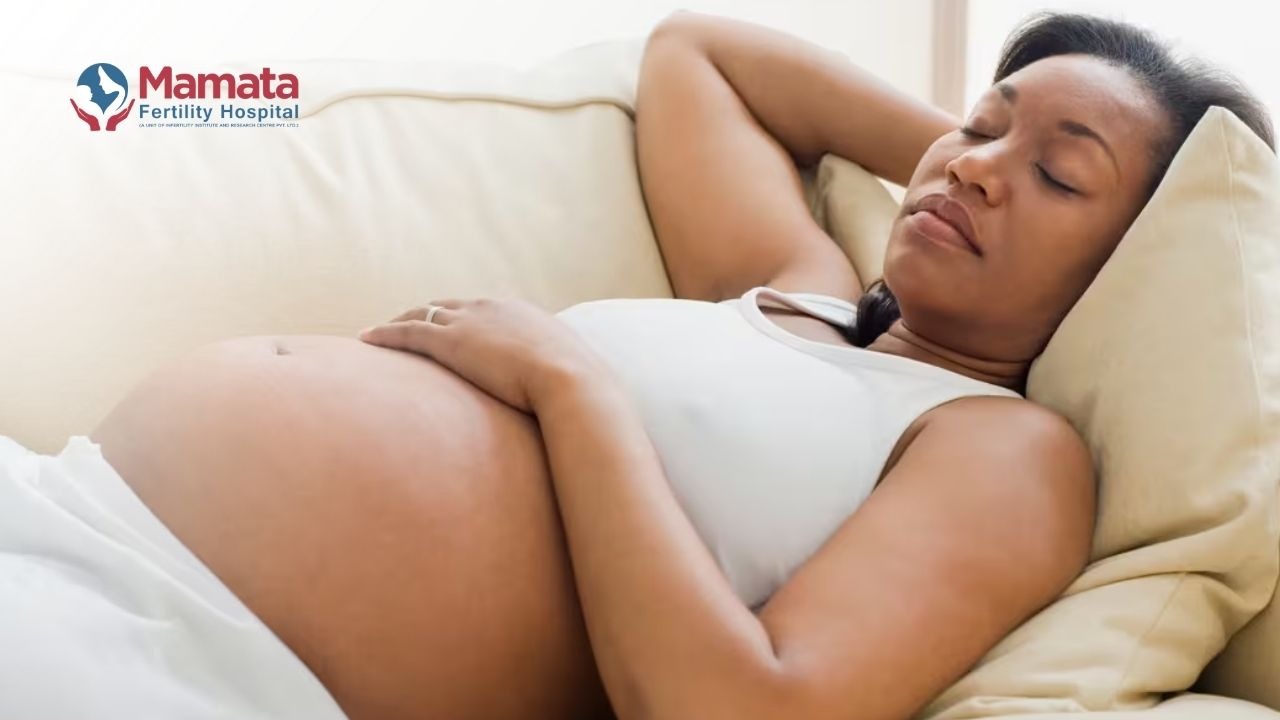
“Is it safe to sleep on my back during pregnancy?” is one of the many questions I get from pregnant women. It’s an acceptable worry, and the response will shift according to your stage of pregnancy. Sleeping on your back is usually acceptable throughout the first month of pregnancy.
But after about 28 weeks, sleeping flat on your back may increase certain risks for both you and your baby. In this, I’ll walk you through the science, what I’ve seen in my own practice, and how you can sleep safely and comfortably throughout your pregnancy.
At Mamata Fertility Hospital Hyderabad, we guide our patients through every stage of their pregnancy journey—including practical things like sleep positions—because every detail matters when it comes to your and your baby’s health.
Why Does Sleep Position Matter During Pregnancy?
As your pregnancy progresses, your uterus grows bigger and heavier. By the time you reach the third trimester, this weight can press against a large blood vessel called the inferior vena cava, which runs along your spine. This vessel carries blood from the lower body back to your heart. When you lie flat on your back, the pressure can reduce blood flow—both to your own body and to your baby.
This can lead to:
- Dizziness or lightheadedness
- Lower blood pressure
- Shortness of breath
- Decreased oxygen supply to the baby
So while back sleeping isn’t dangerous in early pregnancy, it may cause problems if continued in the third trimester.
What Does the Research Say?
Several studies have shown that women who go to sleep on their back in late pregnancy may have a slightly higher risk of stillbirth. A large international study published in The Lancet in 2017 found that women who slept on their backs in the last trimester were about twice as likely to experience stillbirth compared to women who slept on their side.
That sounds scary, but it’s important to keep perspective. The overall risk of stillbirth is still very low, and the goal is not to create panic—but to raise awareness and give you practical steps to stay safe and comfortable.
The Best Sleeping Positions During Pregnancy
I always tell my patients that the best sleeping position during pregnancy is on your side—particularly your left side, if possible. Sleeping on your left side improves blood flow to the placenta and kidneys, helps your body remove waste, and can even reduce swelling in your feet and ankles.
But don’t worry if you wake up on your back occasionally. You can simply shift to your side again. The position you fall asleep in seems to be more important than the position you wake up in.
Right-side sleeping is also okay—what’s most important is avoiding lying flat on your back for long periods once you’re in your third trimester.
How to Stay Comfortable While Sleeping
Many women tell me that side-sleeping isn’t easy—especially as the baby grows. But with a few simple tricks, it gets much more comfortable:
- Use a body pillow or a wedge pillow behind your back to prevent rolling.
- Place a pillow between your knees to reduce pressure on your hips and back.
- Put a small pillow under your belly for support.
- Keep your room cool, dark, and quiet to improve sleep quality.
- Avoid large meals and caffeine close to bedtime.
These small changes can make a big difference in how rested you feel each morning.
What About Sleeping on Your Back in Early Pregnancy?
The good news is that sleeping on your back during the first and second trimesters is not considered risky. During this time, the uterus is still small enough that it doesn’t compress major blood vessels significantly.
So if you’ve always been a back sleeper, don’t stress. You can begin making small adjustments around the 20th–28th week so that by the third trimester, sleeping on your side feels more natural.
At Fertility Hospital, Hyderabad, we encourage our patients to gradually transition to side-sleeping rather than making sudden, uncomfortable changes.
What If I Wake Up on My Back?
This is something I hear almost every week in my clinic: “I started on my side, but I woke up on my back—should I be worried?” The answer is no. Most people change positions several times throughout the night without realizing it.
If you do find yourself on your back, gently roll to your side and go back to sleep. The fact that you’re aware and making the effort is already a great step. Don’t let fear disturb your rest—your body will usually signal you if something feels off, like dizziness or shortness of breath.
When to Call Your Doctor
If you experience any of the following, especially after lying on your back, talk to your doctor:
- Dizziness or fainting
- Shortness of breath
- Decreased baby movements
- Sudden swelling or high blood pressure
While these are not always related to sleep position, they should be checked out promptly to ensure everything is going smoothly with your pregnancy.
Final Thoughts
So, is sleeping on your back during pregnancy risky? The answer is: it can be after 28 weeks, due to reduced blood flow. But there’s no need to panic—just try to sleep on your side as much as possible, especially in the third trimester. Use pillows, try different side-sleeping positions, and focus on staying comfortable and well-rested.
At Fertility Hospital Hyderabad, we understand that pregnancy comes with many questions and adjustments—even in something as routine as sleep. That’s why we’re here not just to monitor your health, but to support you in all the small ways that make a big difference.
If you’re unsure about your sleep habits or have other pregnancy concerns, don’t hesitate to reach out. You’re not alone in this journey—and with a little guidance, you can rest easy knowing you’re doing everything right for you and your baby.
FAQS
- Is it safe to sleep on my back during pregnancy?
In the first and second trimesters, yes—sleeping on your back is generally safe. However, after 28 weeks, lying flat on your back may reduce blood flow to you and your baby, which can slightly increase health risks.
2.Why is sleeping on your back risky during the third trimester?
As your uterus grows, it can press on a large blood vessel called the inferior vena cava, which reduces blood return to your heart. This may lower blood flow to your baby and cause symptoms like dizziness or shortness of breath in you.
3.How long can I lay on my back while pregnant?
While sleeping on your back during pregnancy is generally considered safe in the first trimester, it’s recommended to switch to sleeping on your side (either left or right) from the second trimester onwards, especially after 28 weeks. If you wake up on your back, don’t panic, just roll onto your side.
4.Can I sleep on my belly while pregnant?
But it’s OK to sleep on your stomach if it is comfortable. Lying on your back is not recommended because of pressure on the inferior vena cava. That is a major vein that returns blood from the lower body to the heart. The increased pressure on the back and intestines can also cause discomfort.

Dr Aarti Deenadayal Tolani
MBBS, MS ( OBGYN), FICOG
Clinical Director, Scientific In- Charge & Fertility Consultant with 22+ years Of Experience
TSMC Reg. No. 51895
Her Expertise:
CONSULT FERTILITY SPECIALIST

BLOGS & ARTICLES
Uncommon Symptoms of Endometriosis
Explore rare symptoms of endometriosis, including GI distress, chest pain, and nerve pain. Learn when to see a gynaecologist in Hyderabad or Secunderabad for diagnosis.
Can Abortion Cause Endometriosis?
Learn whether abortion can cause endometriosis, the real causes of the condition, and risk factors. Consult a Gynaecologist in Hyderabad for expert advice!
Difference Between Endometriosis and Adenomyosis
Know the difference between endometriosis and adenomyosis, including symptoms, causes, diagnosis, and treatments. Consult a Gynaecologist today.
What Does Endometriosis Pelvic Pain Feel Like?
Endometriosis pelvic pain relief matters for daily comfort. Knowing triggers and treatments helps manage pelvic pain relief with better care and support.
Can endometriosis cause hemorrhage?
Learn how endometriosis causes abnormal uterine bleeding and when to seek care. Consult a top Gynaecologist in Hyderabad for effective relief today!
Can I Get Pregnant with Endometriosis?
Endometriosis and pregnancy can be challenging, but with treatments like IVF, IUI, and surgery, many women achieve pregnancy with endometriosis.
Stage 4 endometriosis life expectancy
Stage 4 endometriosis and life expectancy can improve with proper care, treatments, and lifestyle changes. Consult a gynaecologist for guidance.
How does preeclampsia affect the baby?
Learn how preeclampsia affect the baby growth, birth outcomes, and long-term health from Mamata Fertility Hospital Hyderabad.
Is it safe to get pregnant after preeclampsia?
Planning pregnancy after preeclampsia? Learn risks, safety tips, and care strategies from Mamata Fertility Hospital Hyderabad.
Can AI Predict Pregnancy Risk?
Discover how AI predict pregnancy risks, improves maternal care, and shapes safer pregnancies. Learn more from Mamata Fertility Hospital Hyderabad.
