

Is Uterine Fibroid Embolization Right for You?
Medically reviewed by Dr. Aarti Deenadayal Tolani, Fertility Specialist & IVF Expert, Mamata Fertility Hospital, Hyderabad
Dealing with the disruptive symptoms of uterine fibroids—such as heavy bleeding, pelvic pain, and constant pressure—can significantly impact your quality of life. For many years, the primary treatment options were either hormonal medications or major surgery like a hysterectomy. Today, however, women have access to advanced, less invasive procedures. One of the most effective is Uterine Fibroid Embolization (UFE).
UFE is a minimally invasive fibroid treatment that shrinks fibroids and alleviates symptoms without the need for major surgery. But is it the right choice for everyone? Determining who is a good uterine fibroid embolization candidate involves a careful evaluation of your symptoms, health status, and personal goals. This guide provides a clear overview of UFE to help you understand if it might be a suitable option for you.
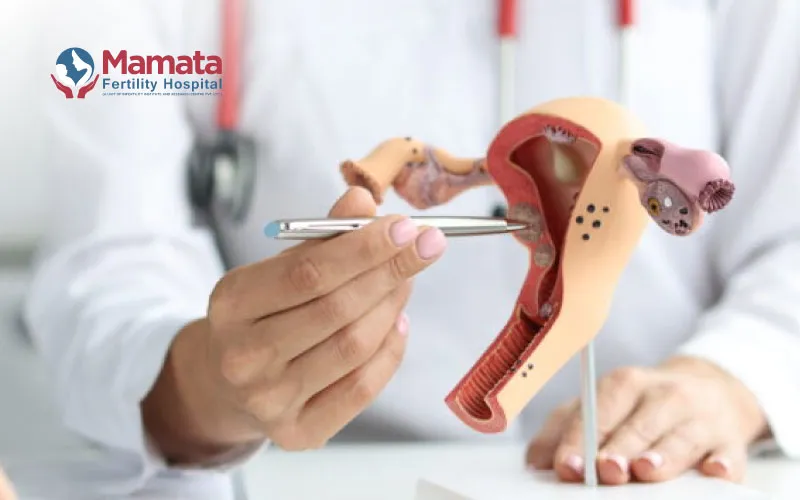
An Overview of Uterine Fibroid Embolization (UFE)
Uterine Fibroid Embolization is a procedure performed by an interventional radiologist. It involves blocking the blood supply to the uterine fibroids, which causes them to shrink and die.
The procedure is done by making a tiny incision in the wrist or groin to access an artery. A thin catheter is guided through the blood vessels to the arteries supplying the uterus. Tiny, sand-like particles are then injected to block the blood flow to the fibroids. The uterine tissue itself continues to receive blood from other sources, so it remains healthy. Over the following weeks and months, the starved fibroids shrink, leading to a significant reduction in symptoms.
Medical Criteria for Ideal Candidates
Determining UFE eligibility is a crucial step that involves a thorough medical evaluation. An ideal candidate is a woman who meets several key criteria, ensuring the procedure is both safe and effective for her specific situation.
Symptomatic Fibroids
The primary reason to undergo UFE is to find relief from moderate to severe fibroid symptoms. This includes:
- Heavy, prolonged menstrual bleeding (menorrhagia)
- Significant pelvic pain or pressure
- Frequent urination or difficulty emptying the bladder
- Pain during intercourse
- Lower back pain
Women with fibroids that are not causing any symptoms do not need treatment and are therefore not candidates for UFE.
Confirmed Diagnosis and Imaging
Before considering UFE, a clear diagnosis confirmed by imaging is essential. This usually involves a pelvic ultrasound or an MRI. An MRI is particularly helpful as it provides a detailed map of the fibroids—showing their size, number, and location—and helps rule out other conditions. This detailed imaging ensures that UFE is the appropriate treatment for your specific type of fibroids.
Desire to Preserve the Uterus
One of the main reasons women choose UFE is that it treats the fibroids while leaving the uterus intact. This makes it an excellent alternative for those who wish to avoid a hysterectomy. If you are looking for a less invasive option that preserves your uterus, you might be a good candidate.
Situations Where UFE Is Not Suitable
While UFE is an excellent option for many, it is not the right choice for every woman. There are specific contraindications and situations where another treatment might be more appropriate. Those who should not consider UFE include:
- Women who are currently pregnant.
- Individuals with an active pelvic infection.
- Patients with suspected uterine cancer.
- Women with certain types of pedunculated fibroids (on a stalk), as there is a risk the fibroid could detach and fall into the abdomen.
- Individuals with severe kidney disease or an allergy to contrast dye, as the procedure uses this dye for imaging.
Additionally, UFE is generally not recommended for women who desire future pregnancies. While pregnancies have been reported after UFE, the procedure can affect blood flow to the uterus and potentially impact fertility or increase pregnancy-related risks. For women planning to have children, a myomectomy (surgical removal of fibroids) is often the preferred treatment. A detailed discussion with a specialist at a centre like Mamata Fertility Hospital, Hyderabad, can help you weigh the pros and cons based on your fertility goals.
The Benefits of UFE
For the right candidate, the advantages of Uterine Fibroid Embolization are substantial.
- Minimally Invasive: The procedure involves only a tiny incision, resulting in no large scars.
- High Success Rate: Over 90% of women who undergo UFE experience significant or complete relief from their symptoms.
- Quicker Recovery: Compared to major surgery like a hysterectomy, recovery from UFE is much faster. Most women can return to normal activities within one to two weeks.
- Uterus Preservation: The uterus is not removed, which is a major benefit for many women.
- Low Complication Rate: UFE is a safe procedure with a low risk of major complications.
FAQs
1: Who is the best candidate for uterine fibroid embolization?
Women with moderate to severe fibroid symptoms who want relief without major surgery and wish to preserve their uterus are ideal candidates.
2: Is UFE safe for women planning pregnancy?
UFE is generally not recommended for women planning future pregnancies, as it may affect uterine blood supply. Myomectomy is usually preferred.
3: How effective is UFE for fibroid symptoms?
Over 90% of women experience significant improvement in bleeding, pain, and pressure symptoms after UFE.
4: How long does recovery take after UFE?
Most women return to normal daily activities within 1–2 weeks, which is much faster than surgical recovery.
5: Is UFE better than hysterectomy?
UFE is less invasive and preserves the uterus, making it a strong alternative for women who do not want uterus removal.
When to Consult a Specialist
If you are struggling with fibroid symptoms and wondering who should consider UFE, the best first step is to consult a specialist. A Best gynaecologist or an interventional radiologist can provide a comprehensive evaluation to determine if you are a good uterine fibroid embolization candidate.
You should seek expert advice if:
- Your periods are so heavy that they cause anaemia or disrupt your daily life.
- You experience chronic pelvic pain or pressure.
- You are looking for an effective alternative to a hysterectomy.
- You need a reliable fibroid treatment in Hyderabad and want to understand all your options.
A specialist will review your medical history, perform necessary imaging tests, and discuss your personal health goals to recommend the most suitable treatment path for you.
Deciding on a treatment for uterine fibroids is a significant decision. Uterine Fibroid Embolization offers a safe, effective, and minimally invasive solution for many women, but it is essential to ensure you are a suitable candidate. A thorough consultation with a medical expert is the only way to make an informed choice. To explore all personalised treatment options available to you, we encourage you to schedule a consultation with the experienced team at Mamata Fertility Hospital, Hyderabad, where your health and well-being are our top priorities.

Dr Aarti Deenadayal Tolani
MBBS, MS ( OBGYN), FICOG
Clinical Director, Scientific In- Charge & Fertility Consultant with 20+ years Of Experience
Her Expertise:
CONSULT FERTILITY SPECIALIST

LATEST BLOGS

How to Read and Interpret a Semen Analysis Test Report?
Learn how to read and interpret a semen analysis report, including sperm count, motility, morphology, semen volume, vitality, Total Motile Count, and WHO 2021 reference values.

How to Choose an IVF Clinic: A Patient’s Checklist
Choosing an IVF clinic? Use this patient checklist to compare diagnosis, ART registration, success rates, costs, treatment teams, add-ons and support.

Understanding Sperm DNA Fragmentation Test and IVF Success
Understand sperm DNA fragmentation testing, DFI levels, causes of high sperm DNA damage, and how SDF can affect IVF, ICSI, embryo quality and miscarriage risk.

Oligospermia Treatment: Low Sperm Count & Pregnancy Options
Oligospermia means a low sperm count. Learn its causes, diagnosis, treatment options, IUI, IVF with ICSI, and chances of conception.
