

Is the IVF Procedure Painful? | What to Expect at Every Stage?
Medically reviewed by Dr. Aarti Deenadayal Tolani, Fertility Specialist & IVF Expert, Mamata Fertility Hospital, Hyderabad
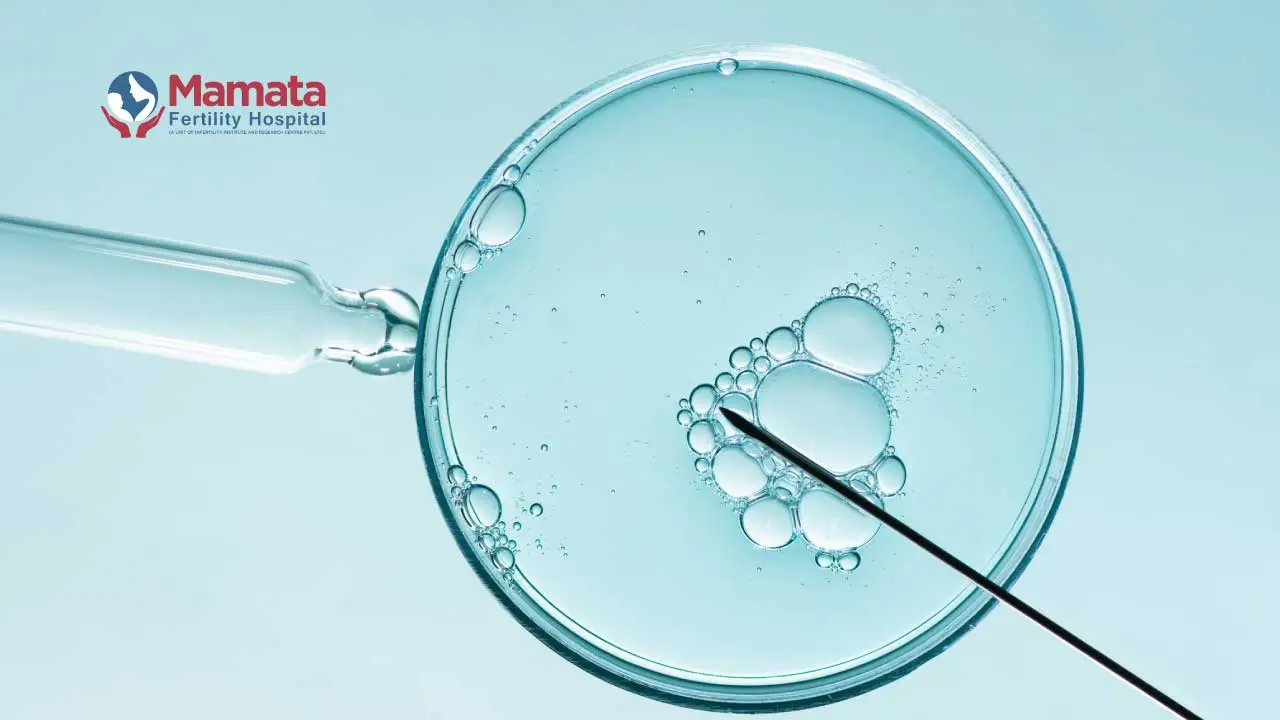
Most people find IVF uncomfortable rather than truly painful. Egg retrieval is done under sedation so you feel nothing, embryo transfer feels similar to a routine pap smear, and daily hormone injections use fine-gauge needles that most patients manage easily at home. Discomfort is real at certain stages, but it is temporary, manageable, and far less severe than most people fear before starting. This guide walks you through each step so you know exactly what to expect.
Understanding the IVF Procedure
IVF(In vitro fertilization) is a complex process that involves several critical steps, each playing a vital role in assisting with conception. Initially, fertility specialists administer medications that stimulate the ovaries to produce multiple eggs. This stage is essential for increasing the chances of success during fertilization.
Once the eggs mature, they are retrieved through a minimally invasive surgical procedure. Specialists then fertilize these eggs in a lab setting. After a few days of observation and development, the best embryos are selected and transferred to the uterus. Each step involves precise medical expertise, tailored to suit individual needs and circumstances.
It’s essential to note that while IVF can be a physically demanding process, emotional and psychological readiness is equally important. Expert gynaecologists, such as those at Fertility in Hyderabad, offer comprehensive care and guidance throughout each phase, ensuring clarity and comfort.
What Does the IVF Process Involve?
In vitro fertilisation (IVF) is a multi-step fertility treatment where eggs are stimulated, collected, fertilised in a laboratory, and transferred back into the uterus as embryos. Each stage has a different level of physical sensation, some involve no discomfort at all, while others cause mild cramping or bloating for a day or two.
Understanding each stage individually is the best way to manage your expectations and reduce anxiety before you begin.
Pain Level at Each Stage of IVF
Stage 1 — Ovarian Stimulation (Hormone Injections)
Pain level: Low to Mild
During the stimulation phase, you self-administer daily hormone injections (usually FSH or a combination) to encourage your ovaries to produce multiple eggs. Most patients do this at home using fine-gauge, pen-style needles, similar in size to insulin injections.
What it feels like:
- The injection itself is a brief pinch, rarely more
- The injection site may feel slightly tender or show minor bruising
- As your ovaries respond to the medication, you may feel bloated or experience mild pelvic pressure, similar to the sensation just before your period
- Some women notice mood changes, headaches, or breast tenderness from the hormones
Duration: 8–14 days
How to manage it: Apply an ice pack to the injection site for 30 seconds before injecting. Loose, comfortable clothing helps with bloating. Most women continue normal daily activities throughout this phase.
Stage 2 — Egg Retrieval (Follicular Aspiration)
Pain level: Minimal — done under sedation
Egg retrieval is a minor surgical procedure, but you will be under IV sedation or light general anaesthesia throughout. You will not feel the procedure as it happens.
A thin needle is guided through the vaginal wall to each follicle under ultrasound imaging. The whole procedure typically takes 20–30 minutes.
What it feels like after sedation wears off:
- Mild to moderate cramping, similar to period pain, for the rest of the day
- Some women experience light spotting or vaginal discharge
- Bloating and a feeling of fullness in the abdomen for 1–3 days
- Fatigue from the sedation, most women rest for the remainder of that day
Duration of discomfort: 1–3 days post-procedure
How to manage it: A heating pad, mild over-the-counter pain relief (as advised by your doctor), and a day of rest are usually sufficient. Most women return to desk work within 24–48 hours.
Important: If you experience rapid abdominal swelling, difficulty breathing, severe nausea, or a sudden weight gain of more than 2 kg in 24 hours after retrieval, contact your fertility team immediately. These can be signs of Ovarian Hyperstimulation Syndrome (OHSS), a complication that requires prompt medical attention, though it is uncommon.
Stage 3 — Fertilisation in the Laboratory
Pain level: None
After retrieval, your eggs are fertilised with sperm in the laboratory, either through conventional IVF or ICSI (intracytoplasmic sperm injection). You are not involved in this stage physically.
What it feels like: Nothing. There is no procedure done to your body during fertilisation.
This is, however, often described as one of the most emotionally intense stages of IVF, waiting 3–5 days for fertilisation reports and embryo development updates can be stressful. Emotional support from your partner, family, or a counsellor is valuable here.
Stage 4 — Progesterone Support (Luteal Phase Injections or Suppositories)
Pain level: Low to Moderate (injection route) / Minimal (suppository/gel route)
After retrieval, your body needs progesterone support to prepare the uterine lining for implantation. This is given either as:
- Intramuscular injections (oil-based, larger needle, injected into the buttock or thigh), these can cause localised soreness, bruising, or a hard knot at the injection site over time
- Vaginal suppositories or gels — far more comfortable for most patients, with no injection pain
If you are concerned about the injection route, speak to your doctor at Mamata Fertility about the suppository or gel alternative, both are clinically effective.
Stage 5 — Embryo Transfer
Pain level: Very Low, no anaesthesia required
Embryo transfer is the final procedural step of the IVF cycle. A thin, flexible catheter is passed through the cervix into the uterus, and the selected embryo is gently placed inside. Most patients describe it as feeling similar to a smear test or pelvic examination.
What it feels like:
- Mild pressure or a brief cramping sensation as the catheter passes through the cervix
- Occasionally, some women find cervical access slightly uncomfortable if their cervix is narrow, your doctor will guide you through it
- No sedation is typically required
- You will usually be asked to arrive with a comfortably full bladder to help with ultrasound guidance
After the transfer:
- Light cramping or spotting is normal in the first day or two
- You are encouraged to rest for the remainder of the day, though bed rest for longer than that is not proven to improve outcomes
Stage 6 — The Two-Week Wait (2WW)
Pain level: Low physically / High emotionally
After embryo transfer, you wait approximately 10–14 days before a blood test confirms whether implantation has occurred. During this time, you may experience:
- Light cramping or spotting (which can be a sign of implantation, or of progesterone side effects)
- Breast tenderness and bloating from the hormonal support medications
- Symptoms that feel identical to early pregnancy, because the medications cause them regardless of outcome
The two-week wait is widely considered the most emotionally challenging part of IVF. Anxiety, mood swings, and difficulty concentrating are all normal. Talking to your partner, staying gently active, and leaning on your support network can help.
Don’t let fear of pain stop you from exploring IVF.
Our experienced fertility team will explain the procedure, answer your questions, and create a treatment plan tailored to you. Schedule your consultation today.
IVF Pain by Stage| Quick Reference
| IVF Stage | Pain Level | What You May Feel |
|---|---|---|
| Hormone injections | Low | Brief pinch, mild bloating |
| Egg retrieval | Minimal | Nothing during; cramps after |
| Fertilisation | None | No physical sensation |
| Progesterone injections | Low–Moderate | Soreness at site (injection route) |
| Embryo transfer | Very low | Pressure, like a smear test |
| Two-week wait | Low physically | Emotional stress; minor cramping |
When to Seek Medical Advice During IVF?
Most discomfort during IVF is normal and resolves on its own. However, contact your doctor promptly if you experience:
- Severe or worsening abdominal pain that does not improve with rest
- Rapid abdominal swelling or weight gain (more than 2 kg in 24 hours)
- Difficulty breathing or urinating
- Heavy bleeding (more than a normal period)
- Fever above 38°C
- Severe nausea or vomiting that prevents eating or drinking
These symptoms, while uncommon, can indicate OHSS or another complication. Early intervention ensures faster recovery and protects your treatment cycle.
The Emotional Side of IVF Pain
Physical discomfort during IVF is usually short-lived. The emotional dimension, particularly if a cycle is unsuccessful, can be significantly harder to process.
Fertility specialists and counsellors at centres like Mamata Fertility in Hyderabad recognise that emotional readiness is as important as physical preparation. If you are feeling overwhelmed at any stage, ask your care team about access to fertility counselling. It is not a sign of weakness, it is a recognised and essential part of good IVF care.
Tips to Manage Discomfort During IVF
- Before injections: Apply an ice pack for 30 seconds to numb the site; rotate injection sites daily
- During stimulation: Stay well hydrated; avoid strenuous exercise; wear loose clothing
- After egg retrieval: Rest for the day; use a heating pad for cramping; take doctor-approved pain relief
- For progesterone injections: Ask about suppository or gel alternatives if injections are difficult
- During the 2WW: Stay gently active; limit Google searches; lean on your support system
- Throughout the cycle: Communicate openly with your medical team, no question is too small
Every fertility journey is different. Meet with our IVF specialists to discuss your concerns, understand the treatment process, and learn how we prioritize your comfort at every stage. Book an appointment today.
Frequently Asked Questions
Is egg retrieval painful during IVF?
No. Egg retrieval is performed under sedation, so you will not feel anything during the procedure. Afterwards, mild cramping similar to period pain is common for 1–3 days and is manageable with rest and mild pain relief.
Is embryo transfer painful?
Most patients find embryo transfer mildly uncomfortable at most, comparable to a pap smear or cervical smear test. No anaesthesia is required. A brief cramping sensation during catheter insertion is possible but usually brief.
Are IVF injections painful?
The daily stimulation injections use very fine needles and are well-tolerated by most patients. The sensation is a brief pinch. Oil-based progesterone injections (if prescribed) can cause more localised soreness; vaginal suppositories are a comfortable alternative.
How long does discomfort last after egg retrieval?
Most women feel back to normal within 1–3 days. If you are experiencing significant pain beyond this, or worsening symptoms, contact your fertility team.
What is OHSS and how do I know if I have it?
Ovarian Hyperstimulation Syndrome (OHSS) is an uncommon but serious complication where the ovaries over-respond to stimulation medication. Warning signs include severe bloating, rapid weight gain, difficulty breathing, and reduced urination. If you experience these, contact your doctor immediately.
Is IVF more painful than people expect?
Most patients report that IVF was less painful than they anticipated. The physical discomfort at each stage is real but temporary and manageable. The emotional journey is often the more challenging aspect.
Why Choose Mamata Fertility Hospital, Hyderabad?
At Mamata Fertility Hospital in Hyderabad, our team explains every step of the IVF process in detail before treatment begins, so there are no surprises. We offer personalised pain management support, counselling services, and round-the-clock access to our care team throughout your cycle.
If you have questions about IVF and what to expect physically or emotionally, we are here to help.

Dr Aarti Deenadayal Tolani
MBBS, MS ( OBGYN), FICOG
Clinical Director, Scientific In- Charge & Fertility Consultant with 20+ years Of Experience
Her Expertise:
CONSULT FERTILITY SPECIALIST

LATEST BLOGS

How to Read and Interpret a Semen Analysis Test Report?
Learn how to read and interpret a semen analysis report, including sperm count, motility, morphology, semen volume, vitality, Total Motile Count, and WHO 2021 reference values.

How to Choose an IVF Clinic: A Patient’s Checklist
Choosing an IVF clinic? Use this patient checklist to compare diagnosis, ART registration, success rates, costs, treatment teams, add-ons and support.

Understanding Sperm DNA Fragmentation Test and IVF Success
Understand sperm DNA fragmentation testing, DFI levels, causes of high sperm DNA damage, and how SDF can affect IVF, ICSI, embryo quality and miscarriage risk.

Oligospermia Treatment: Low Sperm Count & Pregnancy Options
Oligospermia means a low sperm count. Learn its causes, diagnosis, treatment options, IUI, IVF with ICSI, and chances of conception.
