

How To Stop Prolonged Periods Naturally?
If you’ve ever felt like your period just won’t end, you’re not alone—and yes, it can be frustrating, exhausting, and at times even scary. As a gynecologist at Mamata Fertility Hospital Hyderabad, I see many women who are dealing with heavy menstrual bleeding that lasts longer than usual. Some bleed for 8–10 days or even longer, wondering if it’s normal or something to worry about.
The truth is, prolonged periods can have many causes, and while medical treatment is sometimes necessary, there are also gentle, natural ways to help regulate your cycle.
Let’s walk through what prolonged periods really mean, what may be causing them, and how you can support your body naturally—without immediately jumping to strong medications or surgery.
What Is a Prolonged Period?
A typical menstrual cycle lasts about 28 days, with bleeding usually occurring for 3 to 7 days. When your period extends beyond 7 days, it’s considered prolonged. If the flow is also very heavy—needing to change pads or tampons every 1–2 hours—it may be a case of menorrhagia, which is the medical term for abnormally heavy or long periods.
While occasional longer periods may happen due to stress or illness, consistent prolonged bleeding can signal a hormonal imbalance or underlying health issue that needs attention.
Why Do Prolonged Periods Happen?
From my experience in clinical practice, the most common causes I see include:
- Hormonal Imbalances – If your body isn’t releasing hormones in a balanced way, especially estrogen and progesterone, your uterine lining may build up too much and shed irregularly.
- Polycystic Ovary Syndrome (PCOS) – A common condition that affects ovulation and often leads to irregular, prolonged periods.
- Fibroids or Polyps – Non-cancerous growths in the uterus that can increase bleeding and cramping.
- Perimenopause – The years before menopause are often marked by hormonal shifts that make cycles heavier or more unpredictable.
- Thyroid Disorders or Blood Clotting Issues – Less common but important to rule out.
It’s important to understand that prolonged periods aren’t just inconvenient—they can lead to fatigue, low iron levels, and even anemia if left unmanaged.
When Should You See a Doctor?
Some women hesitate to speak up about their menstrual changes. But I always say: your period is a vital sign, just like your heartbeat or temperature. If your bleeding lasts more than 7 days regularly, or if you’re soaking through pads or tampons every couple of hours, it’s time to talk to a healthcare provider.
Also reach out if you’re feeling lightheaded, extremely tired, or notice large clots during your period. These could be signs that your blood count is dropping or that there’s an underlying problem we need to explore.
How Doctors Diagnose the Cause of Heavy Bleeding
When I evaluate a patient with prolonged periods, I always begin with a detailed conversation. We review their medical history, current medications, and menstrual tracking if available. Then I usually perform a gentle pelvic exam and may recommend:
- Blood Tests – To check hormone levels, thyroid function, and iron status.
- Pelvic Ultrasound – To look for fibroids, polyps, or abnormalities in the uterus or ovaries.
- Endometrial Biopsy – In some cases, especially if the patient is over 40 or has irregular spotting, we might take a small tissue sample from the uterus to rule out pre-cancerous changes.
Once we understand the cause, we can explore the best treatment choices—which often include natural steps before moving on to medication.
Natural Ways to Help Stop Prolonged Periods
Now to the part that many of my patients ask about first: “What can I do at home to help shorten or lighten my period?” While natural methods don’t always replace medical treatment, they can be incredibly effective in regulating your cycle, reducing inflammation, and supporting hormone balance.
Here are some of the most helpful and research-backed options:
- Eat an Iron-Rich, Anti-Inflammatory Diet
Leafy greens (like spinach), lentils, lean meats, nuts, and seeds help replenish lost iron. Anti-inflammatory foods like ginger, turmeric, berries, and omega-3s (from fish or flaxseed) may help regulate hormones and reduce blood flow. - Try Herbal Support (with medical guidance)
Some herbs like chasteberry (Vitex) and ginger have shown promise in regulating menstrual flow. However, not all herbs are safe for everyone, so please consult your doctor before starting any supplements. - Use Heat and Rest Strategically
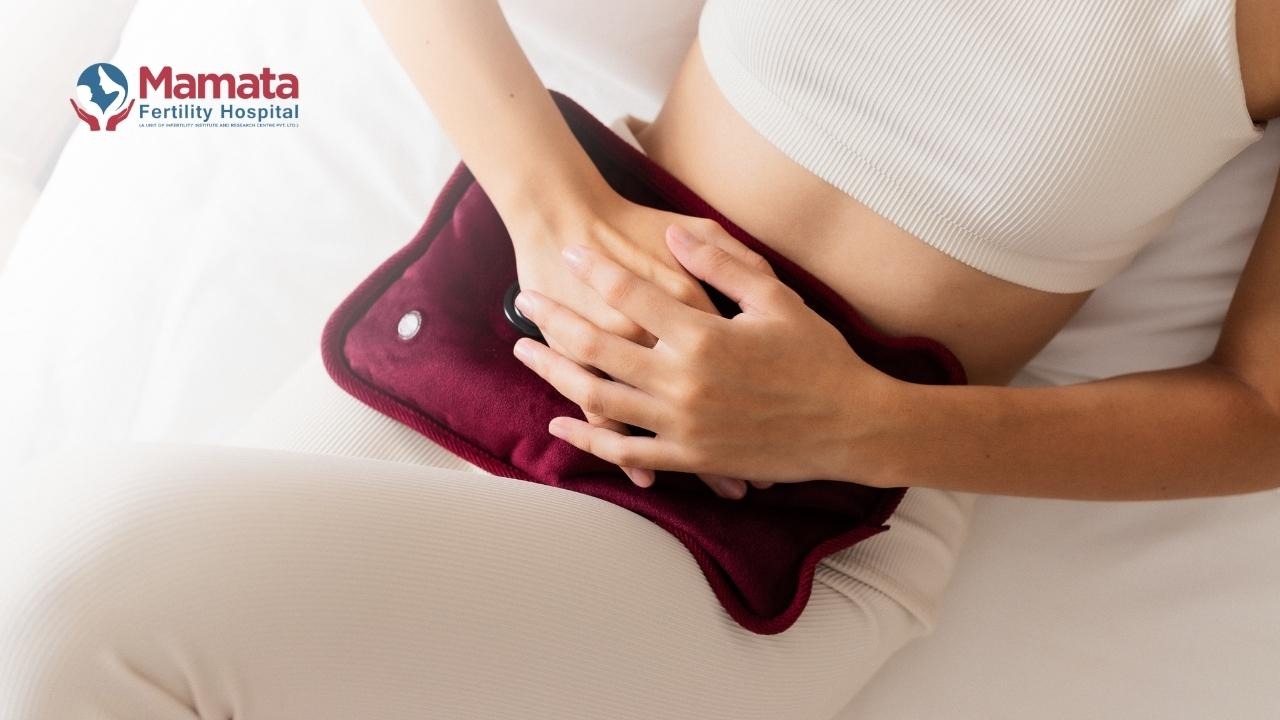
Applying a warm compress to the lower belly can soothe cramps and reduce bleeding in some cases. Also, try not to over-exercise during heavy flow days—gentle movement like yoga or walking can help instead. - Reduce Stress
Chronic stress raises cortisol, which can disrupt estrogen and progesterone. Deep breathing, meditation, and regular sleep help bring your cycle back into balance. - Consider Natural Anti-Inflammatories
Ibuprofen (if medically safe for you) not only helps with cramps but also reduces menstrual bleeding by lowering prostaglandins, chemicals that cause the uterus to contract. - Keep Track of Your Cycles
I always recommend keeping a menstrual diary or using a period-tracking app. It helps you spot patterns and gives your doctor clear information if things don’t improve.
What If Natural Remedies Don’t Help?
While many women find relief with the above steps, others may need medical support. If symptoms persist, we may discuss:
- Hormonal treatments like oral contraceptives or progesterone therapy to regulate your cycle.
- Non-hormonal medications such as tranexamic acid, which can safely reduce bleeding during periods.
- Minimally invasive procedures like endometrial ablation or fibroid removal if structural issues are to blame.
- In very rare and severe cases, a hysterectomy might be considered—but it’s almost always the last resort.
At Mamata Fertility Hospital Hyderabad, our approach is always personalized. We consider your lifestyle, fertility goals, and preferences before recommending any treatment. Often, a combination of natural support and medical guidance works best.
Final Thoughts
To wrap it up, heavy menstrual bleeding and prolonged periods are common but never something you have to “just live with.” Natural methods—like diet, stress reduction, and anti-inflammatory support—can make a big difference, especially in the early stages or in milder cases.
If your periods are affecting your daily life or energy levels, it’s not overreacting to ask for help. Whether it’s a hormonal issue, fibroids, or simply a change in your life phase, support is available—and relief is very possible.
At Fertility Hospital Hyderabad, I’ve helped many women regain control of their cycles through a combination of natural strategies and gentle medical care. If you’re wondering whether what you’re experiencing is normal, let’s talk about it.
You know your body better than anyone. Don’t ignore what it’s trying to tell you.

Dr Aarti Deenadayal Tolani
MBBS, MS ( OBGYN), FICOG
Clinical Director, Scientific In- Charge & Fertility Consultant with 20+ years Of Experience
Her Expertise:
CONSULT FERTILITY SPECIALIST

BLOGS & ARTICLES
Donor Egg IVF Success Rates and What You Need to Know
Explore donor egg IVF success rates, factors influencing outcomes, and tips to maximise your chances of starting a family. Find hope with Mamata Fertility Hospital
3 Failed IVF Cycles, What Next? A Guide to Moving Forward
Home > Blogs > 3 Failed IVF Cycles, What Next?3 Failed IVF Cycles, What Next? A Guide to Moving ForwardInfertility can be one of the most emotionally complex and challenging journeys a couple may face. For those turning to IVF (in vitro fertilisation) as a...
Negative Pregnancy Test After IVF but No Period?
Wondering why your period hasn’t started after IVF despite a negative test? Learn about late implantation, OHSS, and when to call a fertility specialist.
Does IVF Cause Cancer? What Science Says
Does IVF Cause Cancer? Discover the evidence and insights from top fertility specialists like Mamata Fertility Specialist Hospital. Stay informed.
How to Improve Egg Quality for IVF Success?
How to Improve Egg Quality for IVF Success? Tips for improving it, and how Mamata Fertility Specialist Hospital in Hyderabad can support your IVF treatment.
Symptoms of Pregnancy after IVF
Learn about early pregnancy symptoms after IVF, including implantation bleeding, fatigue, and cramping. Consult Mamata Fertility Hospital Hyderabad for expert guidance.
How to Get the Best Sperm Sample for IVF?
Maximize IVF success with a high-quality sperm sample. Learn preparation tips, collection techniques, & expert at Mamata Fertility Hospital Hyderabad.
Sperm Count for IVF
Learn how sperm count impacts IVF success. Explore testing, improving sperm quality, & options like ICSI for low sperm count at Mamata Fertility Hospital Hyderabad.
Bleeding After IUI: What You Need to Know
Know the causes of bleeding after IUI, such as implantation bleeding and spotting, and when to seek advice from a fertility specialist.
Brown Discharge After IUI
Understand the causes of brown discharge after IUI, including implantation bleeding and hormonal changes. consult Mamata Fertility Hospital.
