

High Risk Pregnancy: How Frequently Should I Visit My Doctor
When you find that you are pregnant with a high-risk condition, it might be scary. I want to reassure you as a doctor who has helped many women through this process: follow-up appointments are not just a monitoring process; they are done to ensure your safety and well-being.
If you’re wondering how often you’ll need to see your doctor, I’ll tell you. We at Mamata Fertility Hospital are aware that only with individualized and compassionate care can a mother and her child have a safe pregnancy.
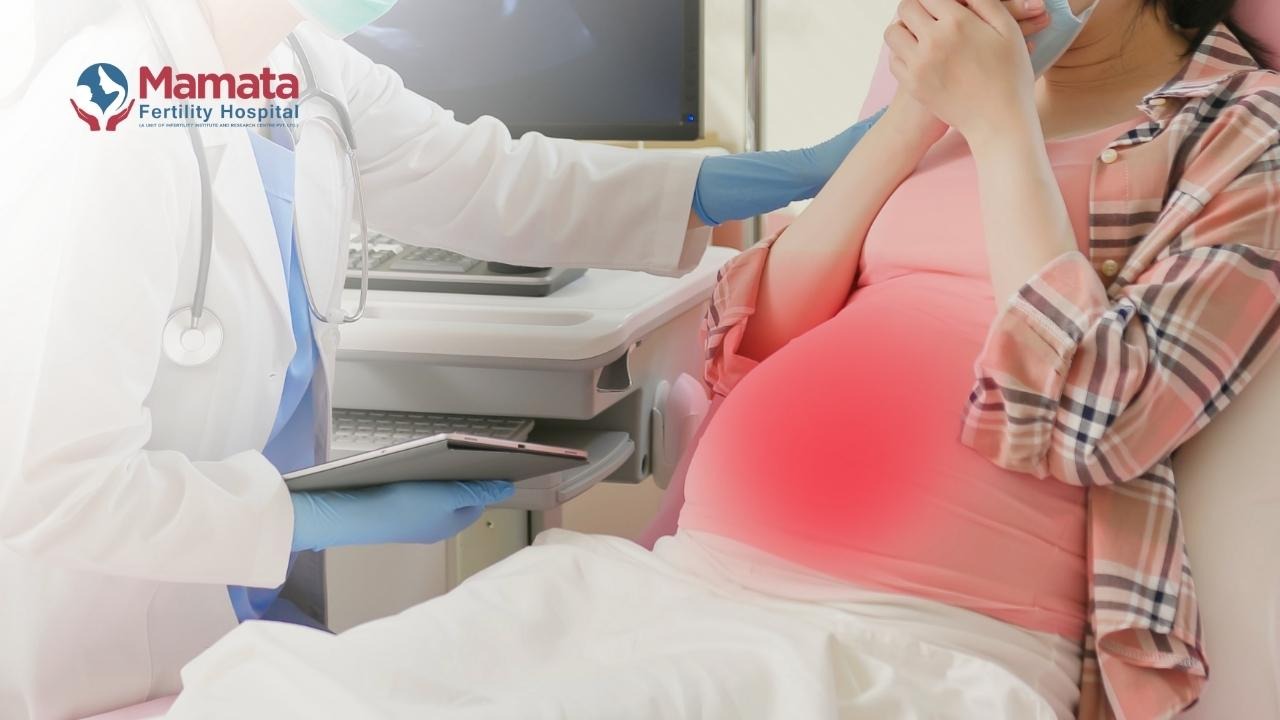
What Is a High-Risk Pregnancy?
A pregnancy is called “high-risk” when certain factors increase the chances of complications for the mother, baby, or both. These factors can include:
- Maternal age (under 20 or over 35)
- Existing medical conditions like diabetes, high blood pressure, or thyroid problems
- Pregnancy-related issues such as preeclampsia or gestational diabetes
- Carrying twins or more
- Fetal growth concerns
- Autoimmune diseases, heart or kidney disorders
- Infections such as HIV or certain viruses
The good news is that most high-risk pregnancies can be managed safely with the right care and attention.
Normal Pregnancy Visits: The Starting Point
For a typical, low-risk pregnancy, the visit schedule usually looks like this:
- Once a month until 28 weeks
- Every two weeks from 28 to 36 weeks
- Every week from 36 weeks until delivery
This schedule helps us monitor the baby’s growth, track your health, and catch any early warning signs.
How High-Risk Changes the Frequency of Visits
When a pregnancy is high-risk, we customize your schedule based on your specific condition. The American College of Obstetricians and Gynecologists (ACOG) suggests more frequent check-ins because your needs may change quickly.
For example, your schedule might look like:
- First visit around 10 weeks for a detailed exam
- Visits every 2-4 weeks between 14 and 30 weeks
- Every 1-2 weeks from 30 weeks onward
- Weekly visits as you approach delivery
Sometimes we may also schedule extra appointments for tests or monitoring, especially if any new concerns arise.
Why Frequent Visits Matter
During high-risk pregnancy visits, we check:
- Blood pressure and weight
- Baby’s heart rate and movements
- Blood tests to monitor sugar levels, iron, infections, and more
- Urine tests to check for protein or sugar
- Ultrasounds to track your baby’s growth and amniotic fluid levels
- Discussions about any pregnancy symptoms or new concerns
Each appointment gives us valuable information to keep both you and your baby safe.
Common Conditions That Need Extra Monitoring
Some health conditions require us to see you more often, such as:
- High blood pressure or preeclampsia: frequent blood pressure checks and urine tests
- Gestational diabetes: close monitoring of blood sugar levels and baby’s growth
- Multiple pregnancies (twins, triplets, etc.): extra ultrasounds and monitoring for early labor signs
- Growth concerns: more ultrasounds to ensure the baby is developing as expected
- Infections or immune conditions: lab tests to monitor both mother and baby
The goal is always early detection and prompt care.
Warning Signs You Should Never Ignore
Even with regular visits, some warning signs can happen suddenly. Call your doctor or go to the hospital immediately if you experience:
- Severe headaches or vision changes
- Sudden swelling, especially in your face or hands
- Vaginal bleeding or fluid leaking
- Less fetal movement than usual
- Chest pain or difficulty breathing
Prompt action can prevent serious complications.
Preventing High-Risk Complications
While not all high-risk factors can be avoided, many steps can help reduce risks:
- Control existing health conditions before pregnancy
- Take prenatal vitamins with folic acid
- Eat a balanced, healthy diet and exercise as recommended
- Avoid smoking, alcohol, and certain medications
- Stay up to date on vaccines like flu and Tdap
When you take care of your body, you’re giving your baby the best possible start.
Emotional Support Is Just as Important
I often remind my patients that emotional well-being is part of prenatal care. Many women feel anxious with frequent appointments, but each visit brings reassurance. At Mamata Fertility Hospital, we encourage partners or loved ones to join you, help take notes, and provide emotional support throughout your pregnancy.
I’ve seen many women thrive with this approach. One patient, for example, came to us with high blood pressure and twins. Though she visited every one to two weeks, she said those extra check-ins gave her confidence and reduced her stress. In the end, both mom and babies did beautifully, thanks to early detection and careful monitoring.
Planning for Delivery and Beyond
High-risk pregnancies may lead to delivery a bit earlier than your due date, depending on your condition. Our team works closely with you to prepare for delivery, whether it’s a natural birth or a planned cesarean.
Even after delivery, we continue monitoring your health. Some conditions, like high blood pressure or diabetes, may need follow-up for several weeks or months after the baby is born. We’ll also support your breastfeeding journey and mental health as you adjust to motherhood.
Final Thoughts
In a high-risk pregnancy, more frequent doctor visits aren’t just routine—they are a vital part of keeping you and your baby healthy. At Fertility Hospital Hyderbad, our entire team is dedicated to walking this journey with you, carefully monitoring your pregnancy symptoms, and adjusting your care plan whenever needed. Always remember: never hesitate to call or ask questions. Every appointment is one step closer to holding your healthy baby in your arms.

Dr Aarti Deenadayal Tolani
MBBS, MS ( OBGYN), FICOG
Clinical Director, Scientific In- Charge & Fertility Consultant with 20+ years Of Experience
Her Expertise:
CONSULT FERTILITY SPECIALIST

BLOGS & ARTICLES
Does smoking cause infertility in males?
The hidden connection between smoking and male fertility. Learn how quitting smoking improves sperm health, motility & fertility. Visit Mamata Fertility Hospital Hyderabad
Mumps and Male Infertility Unraveled
How mumps affects male fertility. Explore symptoms, complications like orchitis, and treatment options with expert care at Mamata Fertility Hospital Hyderabad.
Back Pain After IUI and How to Manage It
Experiencing back pain after IUI?Discover effective methods to manage this discomfort and understand its causes.Get relief and support today.
Can You Get Pregnant Naturally During an IVF Cycle?
Can you Pregnancy during IVF treatment? Factors, risks, & expert insights at Mamata Fertility Hospital Hyderabad.
Earliest Positive Pregnancy Test After IUI
Learn when to take a pregnancy test after IUI, common early pregnancy signs, and tips to manage the two-week wait period with guidance from Mamata Fertility Hospital
Difference between menarche and menopause?
Difference between menarche and menopause? menopause I often meet women who feel confused about two important stages in a woman’s life: menarche and menopause. These words sound complicated, but they actually refer to very natural events in the female reproductive...
How long does the IVF process take from start to finish?
Explore the IVF process, from initial tests to embryo transfer. Get the facts to help you through each stage. Your path to parenthood starts here!
Does Health Insurance Cover IVF Treatment in India?
Does Health Insurance Cover IVF Treatment in India?Medically reviewed by Dr. Aarti Deenadayal Tolani, Fertility Specialist & IVF Expert, Mamata Fertility Hospital, HyderabadMost standard health insurance plans in India do not cover IVF. However, a small but...
When Should I Expect My Period After IUI? | Fertility Specialist
Home > Blogs > Best Follicle Size for IUI PregnancyWhen Should I Expect My Period After IUI? | Fertility SpecialistWhen to Expect Your Period After IUI Intrauterine Insemination (IUI) is a fertility treatment that involves placing sperm directly into a woman’s...
Best Follicle Size for IUI Pregnancy | Mamata Fertility Hospital
Home > Blogs > Best Follicle Size for IUI PregnancyBest Follicle Size for IUI Pregnancy | Mamata Fertility HospitalBest Follicle Size for IUI Pregnancy Imagine a follicle as a seed that needs to grow to the right size before it can sprout and bring new life....
