

Foods to Regulate Periods Naturally
Medically reviewed by Dr. Aarti Deenadayal Tolani, Fertility Specialist & IVF Expert, Mamata Fertility Hospital, Hyderabad
Irregular periods affect many women at some point, disrupting their daily lives and even their plans for family building. Having regular menstrual cycles is key to reproductive health, as they indicate that your hormones are in balance and your body is functioning properly.
However, factors like hormonal imbalances, stress, PCOS (Polycystic Ovary Syndrome), and unhealthy diets can throw your cycle off track. While medical care is often necessary in severe cases, improving your diet can offer significant benefits. Let’s explore how foods to regulate periods naturally can help you maintain consistent cycles and boost menstrual health.
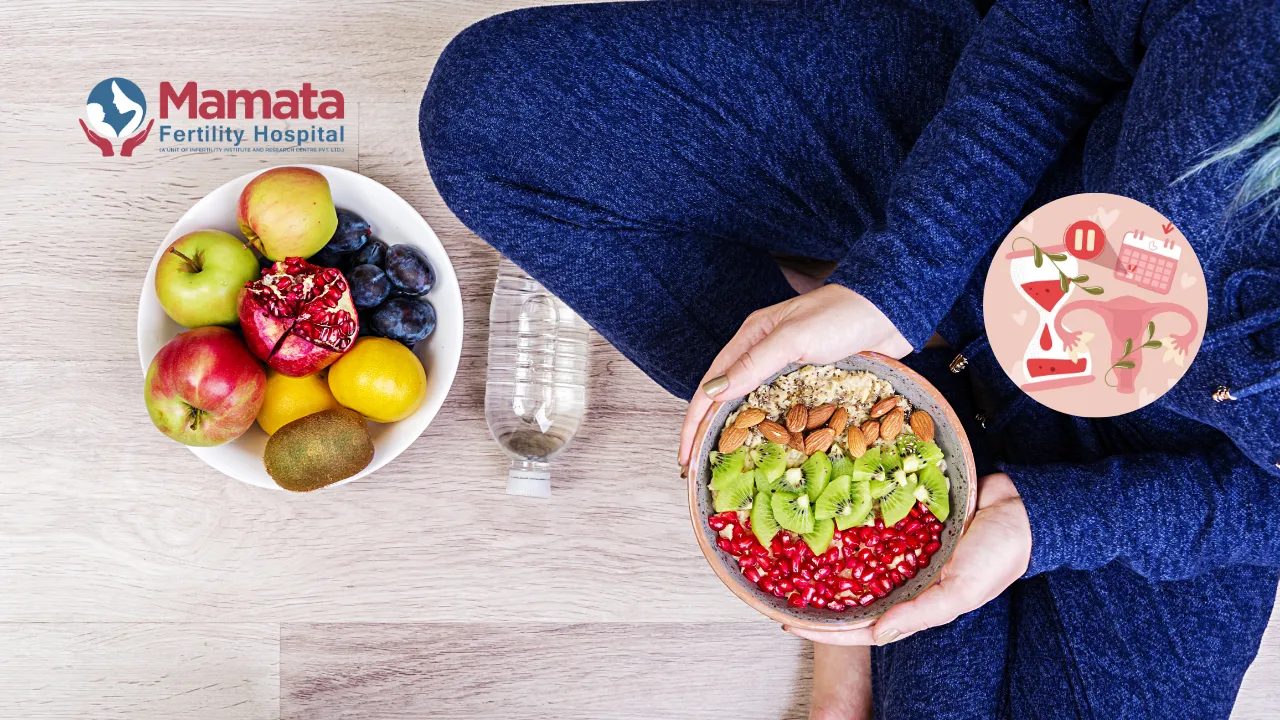
Nutrient-Rich Foods for Hormonal Balance
The foundation of a healthy menstrual cycle starts with a nutrient-dense diet. Here are some key foods you can add to your meals for better hormonal balance:
1. Leafy Greens
Leafy greens like spinach, kale, and mustard greens are packed with iron, folate, and magnesium. They help replenish the iron lost during menstruation and support blood health. Magnesium, in particular, can relieve cramps and ease PMS symptoms.
2. Nuts and Seeds
Flaxseeds, chia seeds, almonds, and walnuts are rich in omega-3 fatty acids and lignans, which play a crucial role in regulating estrogen levels. Flaxseeds, for example, contain phytoestrogens that can balance hormone swings, while almonds provide essential Vitamin E for reproductive health.
3. Fruits
Fruits like papaya and pineapple are known as excellent menstrual health foods. Papaya contains an enzyme called papain, which supports uterine contractions and helps regulate periods. Pineapple, on the other hand, is rich in bromelain, an enzyme with anti-inflammatory properties that may ease period pain while promoting a healthy uterine lining.
Herbs & Spices That Support Menstrual Health
Beyond regular foods, certain herbs and spices have centuries-old traditions of aiding menstrual health. Here are three standout choices:
1. Turmeric
Turmeric is well-known for its anti-inflammatory benefits, thanks to its active compound, curcumin. Reducing inflammation it can help alleviate menstrual pain and regulate irregular cycles. You can add turmeric to your meals or sip on turmeric tea for maximum benefits.
2. Ginger
Ginger is a wonderful remedy for menstrual cramps and general inflammation. Studies suggest that it can also encourage regular hormonal patterns, making it a natural option for women with delayed periods. Drinking warm ginger tea daily is a simple way to include this powerful root in your routine.
3. Cinnamon
Cinnamon supports insulin sensitivity, which can be particularly beneficial for women with PCOS. Better insulin management may help balance hormones like androgens and estrogens, contributing to more regular cycles. Sprinkle cinnamon over your breakfast or mix it into warm water for a soothing drink.
Hydration & Detox Foods
Your body thrives on being well-hydrated, and this holds true for your menstrual cycle as well. Hydration and detoxification through certain foods can enhance your uterine and hormonal health:
- Water and Herbal Teas
Staying hydrated with plenty of water helps reduce bloating and supports metabolic functions critical to hormonal balance. Herbal teas like chamomile, fennel, and peppermint detoxify your system and ease cramps or digestive discomfort during your period. - Aloe Vera Juice
A natural remedy often used to regulate menstrual cycles, aloe vera juice aids in detoxifying your system while soothing inflammation. Consuming aloe vera juice on an empty stomach may help balance your hormones over time.
Lifestyle & Diet Tips for Regular Periods
To further support a regular cycle, pair your dietary choices with these effective lifestyle changes:
Maintain a Balanced Diet: Focus on whole grains, lean proteins, fresh vegetables, and high-fiber foods to maintain hormonal harmony.
Avoid Processed Foods & Excess Sugar: Junk food, sugary snacks, and excess caffeine disrupt your endocrine system, which can worsen irregular cycles.
Exercise Regularly: Physical activity, especially activities like yoga or brisk walking, helps manage weight and reduces symptoms of hormonal disorders like PCOS.
Manage Stress: Stress hormones like cortisol can interfere with your menstrual cycle. Incorporate relaxation techniques like meditation, yoga, and proper sleep to keep stress levels in check.
Regularly Best Foods For Menstrual Health
| Food | Key Nutrient | How It Helps |
| 🥬 Leafy greens | Iron, folate | Supports healthy blood and energy |
| 🥜 Nuts & seeds | Magnesium, healthy fats | Supports overall hormone health |
| 🐟 Fatty fish | Omega-3s | Supports healthy inflammation response |
| 🥚 Eggs | Protein, B vitamins | Supports energy and nutrition |
| 🥑 Avocado | Healthy fats | Supports a balanced diet |
| 🍊 Citrus fruits | Vitamin C | Helps iron absorption |
| 🫘 Beans & lentils | Iron, fiber | Supports nutrition and digestion |
| 🥛 Yogurt | Protein, calcium | Supports overall reproductive health |
Simple Plate for Period Health
½ plate: Vegetables & fruits
¼ plate: Protein such as eggs, beans, lentils or fish
¼ plate: Whole grains such as oats, brown rice or whole wheat
Add: Nuts, seeds and healthy fats
Foods to Include Regularly
- Iron-rich foods if periods are heavy
- Protein at every main meal
- Fruits and vegetables for vitamins and fiber
- Omega-3-rich foods such as fatty fish, walnuts and chia seeds
- Whole grains instead of highly processed carbohydrates
- Plenty of water throughout the day
Can Food Make Your Period Come Faster?
There is no specific food proven to make a period start immediately. A late or irregular period can have many causes, including pregnancy, stress, weight changes, PCOS, thyroid problems, excessive exercise, or hormonal changes. If irregular periods continue, finding the underlying cause is more important than trying home remedies
Conclusion and Call-to-Action
By integrating these foods to regulate periods naturally into your diet and adopting hormone-friendly habits, you can take control of your menstrual health. Leafy greens, seeds, papaya, turmeric, and other nutrient-dense options work together to bring your body into balance, while hydration, exercise, and stress management complete the picture of a healthy lifestyle.
If you’re experiencing persistent irregular periods despite these changes, don’t hesitate to consult with a specialist. At Mamata Fertility Hospital Hyderabad, our experts are here to provide personalized solutions for menstrual health and fertility concerns. Book your consultation today and take the first step toward balanced cycles and better reproductive health!
FAQ
1. What foods help regulate periods naturally?
2. Can food bring your period immediately?
3. Which foods are good for irregular periods?
4. What should I eat if my periods are heavy?
5. Are fruits good for menstrual health?
6. Can nuts and seeds help with periods?
7. What foods should I avoid for irregular periods?
8. Can diet help with PCOS-related irregular periods?
9. Can drinking water help with period symptoms?
10. When should I see a doctor for irregular periods?

Dr Aarti Deenadayal Tolani
MBBS, MS ( OBGYN), FICOG
Clinical Director, Scientific In- Charge & Fertility Consultant with 20+ years Of Experience
Her Expertise:
CONSULT FERTILITY SPECIALIST

LATEST BLOGS

How to Read and Interpret a Semen Analysis Test Report?
Learn how to read and interpret a semen analysis report, including sperm count, motility, morphology, semen volume, vitality, Total Motile Count, and WHO 2021 reference values.

Understanding Sperm DNA Fragmentation Test and IVF Success
Understand sperm DNA fragmentation testing, DFI levels, causes of high sperm DNA damage, and how SDF can affect IVF, ICSI, embryo quality and miscarriage risk.

Oligospermia Treatment: Low Sperm Count & Pregnancy Options
Oligospermia means a low sperm count. Learn its causes, diagnosis, treatment options, IUI, IVF with ICSI, and chances of conception.

How to Choose an IVF Clinic: A Patient’s Checklist
Choosing an IVF clinic? Use this patient checklist to compare diagnosis, ART registration, success rates, costs, treatment teams, add-ons and support.
