

Does Endometriosis Lead to Ovarian Cancer?
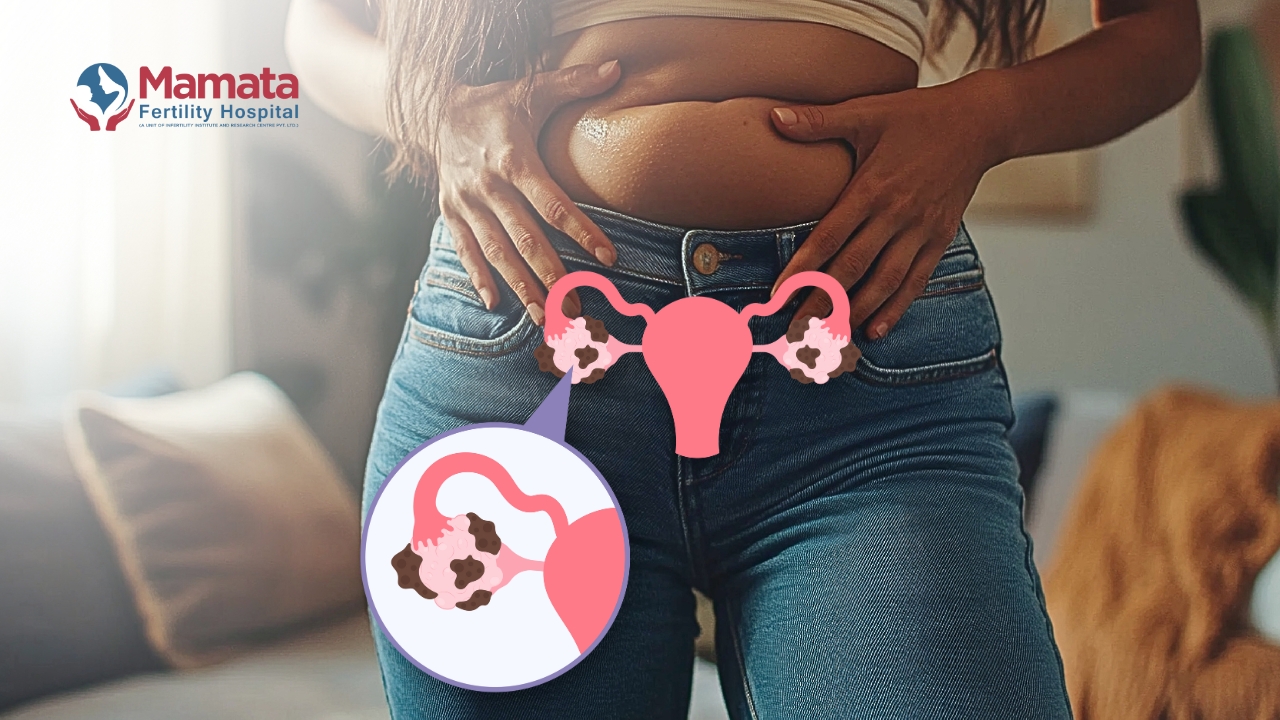
As a specialist with over 17 years of experience in Endometriosis & women’s health, I understand that a diagnosis of endometriosis comes with many questions. One of the most common and frightening ones I hear in my practice at Mamata Fertility Hospital, Hyderabad, is, “Does this mean I will get ovarian cancer?“
It is a completely valid concern, often fuelled by confusing information found online. My goal with this article is to give you a calm, honest, and scientifically accurate explanation, just as I would in a private consultation.
We will separate facts from fear, so you can feel enabled to manage your health with confidence.
Why So Many Women Worry About This?
The link between endometriosis and cancer is a topic that can easily cause anxiety. You might have read alarming headlines or seen discussions in online forums that make the risk sound significant.
When you are already dealing with the chronic pain and fertility challenges of endometriosis, the added worry about cancer can feel overwhelming.
Let’s be clear: your concerns are valid. But it’s my job to provide you with the proper context, so you understand what the science actually says and what it means for you personally.
What Is Endometriosis?
Before we discuss the cancer link, let’s quickly review what endometriosis is. Endometriosis is a benign condition, which means it is not cancerous.
It happens when tissue that is similar to the lining inside your uterus (the endometrium) starts to grow in places where it shouldn’t, such as on your ovaries, fallopian tubes, or the lining of your pelvis.
Every month, this misplaced tissue responds to your hormonal cycle by bleeding, just like your uterine lining. However, because this blood has no way to leave the body, it causes inflammation, scarring, and severe pain.
The Short, Honest Answer
No, endometriosis does not directly cause ovarian cancer for the vast majority of women. Having endometriosis puts you at a slightly higher statistical risk compared to someone without it, but the overall lifetime risk remains very low.
Panic is unnecessary, but awareness and regular follow-ups are important.
What Medical Research Actually Shows?
Large-scale medical studies have looked at thousands of women to understand this connection.
The research confirms that there is a statistical association. Women with a history of endometriosis are slightly more likely to be diagnosed with certain types of ovarian cancer later in life.
However, it’s important to understand the difference between relative risk and absolute risk.
- Relative risk compares the risk between two groups. For example, studies show the relative risk might be 1.5 to 2 times higher for women with endometriosis. This sounds like a lot.
- Absolute risk is your actual chance of something happening over your lifetime. This is the number that really matters.
How Big Is the Risk in Real Life?
Let’s look at the absolute risk, which puts things into perspective. The lifetime risk of any woman in the general population developing ovarian cancer is approximately 1.3%. For a woman with endometriosis, that risk increases to about 1.8%.
This means that out of 100 women without endometriosis, about one might develop ovarian cancer. Out of 100 women with endometriosis, perhaps two might. While this is a statistical increase, it also means that 98 out of 100 women with endometriosis will not develop ovarian cancer. The risk is still very small.
Are Certain Ovarian Cancers Linked to Endometriosis?
Yes. The increased risk is not for all types of ovarian cancer. It is specifically linked to two rarer subtypes:
- Endometrioid Ovarian Cancer
- Clear Cell Ovarian Carcinoma
These cancers tend to be diagnosed at an earlier stage and often have a better prognosis (outcome) than the more common types of ovarian cancer.
Endometriosis does not seem to increase the risk for the most aggressive and common forms of ovarian cancer.
Why Is There Any Connection at All?
Scientists believe the link is not because endometriosis “turns into” cancer, but because the condition creates an environment that might make cancer development slightly more likely over many years.
The main theory is chronic inflammation. The monthly bleeding from endometriotic implants creates a state of constant inflammation in your pelvis.
Over a long period, this inflammation can cause oxidative stress, which may damage the DNA of nearby cells and, in very rare cases, lead to cancerous changes. This process would happen over decades, not overnight.
When Should I Consider Genetic Testing, and How Is It Arranged?
Genetic testing is not necessary for all women with endometriosis. However, it may be recommended if:
- You have a strong family history of ovarian, breast, or related cancers (especially in first-degree relatives)
- You have had multiple types of cancers in your family appearing at a young age
- Your doctor is concerned about your risk profile based on your personal or family history
If genetic testing is advised, your gynaecologist or a genetic counsellor will explain the process. It typically involves a blood test to look for mutations such as BRCA1, BRCA2, or Lynch syndrome genes. Before testing, you will have a discussion about the possible results and what they could mean for your care. At Mamata Fertility Hospital, we coordinate this testing and counselling, ensuring you are supported with the right information every step of the way.
- Needing to urinate more frequently or urgently.
If you notice any of these changes, it is important to get them checked out.
Who Needs More Careful Monitoring?
While all women with endometriosis should have regular gynaecological check-ups, some factors might warrant more careful monitoring at our clinics in Hyderabad. These include:
- A history of ovarian cysts related to endometriosis (endometriomas).
- A strong family history of ovarian or breast cancer.
- Being post-menopausal with endometriosis.
- Long-standing, untreated, and severe endometriosis.
If you fall into one of these categories, it doesn’t mean you are in immediate danger. It simply means your gynaecologist will want to keep a closer eye on your pelvic health with routine check-ups and perhaps imaging tests like ultrasounds.
Endometriosis vs Ovarian Cancer: Key Differences To Know
Understanding the differences between endometriosis and ovarian cancer is essential for your peace of mind and for making informed health decisions.
While endometriosis is a benign condition, ovarian cancer involves malignant cells that grow uncontrollably.
Here are a few key differences
| Feature | Endometriosis | Ovarian Cancer |
| Growth Pattern | Causes local inflammation and adhesions. | Tends to grow as a mass or tumour, with the potential to spread (metastasize). |
| Pain Patterns | Pain is usually cyclical and related to the menstrual cycle. | Pain is often persistent, constant, and not linked to periods. |
| Presence of Masses | Can cause “chocolate cysts” (endometriomas) which have a predictable appearance on scans. | Can cause solid or complex ovarian tumours. |
|
Can Endometriosis Be Pre-Cancerous?
Endometriosis itself is not considered a pre-cancerous condition. Most women with endometriosis will never develop cancer. However, in rare cases, the environment created by chronic inflammation in long-standing endometriosis may slightly raise the risk of specific ovarian cancers (endometrioid and clear cell types). This increase is still very small in absolute terms.
How to Know if Endometriosis Is Cancerous?
By definition, endometriosis is a benign condition. It does not “turn into” cancer. However, if you develop a new ovarian mass, changes in the characteristics of an existing cyst, or persistent new symptoms, your doctor may recommend further evaluation to rule out malignancy. Imaging tests (like transvaginal ultrasound or MRI) and blood markers (like CA-125) help your gynaecologist assess the risk. Ultimately, surgical removal and examination of the tissue provide a definitive diagnosis if any concerns arise.
Can a Tumor Be Mistaken for Endometriosis?
Yes, tumors can sometimes resemble endometriosis on imaging or during surgery, making diagnosis challenging.
Endometriosis may cause chocolate cysts with a distinct appearance, but certain ovarian tumors, like dermoid cysts or borderline tumors, can look similar.
When imaging is unclear, further steps like surgical assessment or a biopsy are needed to confirm if the issue is endometriosis, a benign tumor, or something more serious. Accurate diagnosis is key to proper treatment.
What Is Commonly Misdiagnosed as Endometriosis?
Other gynaecological and gastrointestinal conditions can mimic the symptoms of endometriosis.
Common culprits include:
- Irritable bowel syndrome (IBS)
- Pelvic inflammatory disease
- Ovarian cysts (non-endometriotic)
- Fibroids
- Urinary tract infections
Because symptoms overlap, it’s important to see a specialist for diagnosis. A careful history, targeted imaging, and sometimes laparoscopic surgery help clarify the diagnosis.
Can a Biopsy Confirm Endometriosis?
A biopsy can confirm endometriosis if tissue is sampled during surgery (usually laparoscopy). Your Endometriosis specialist will remove a small portion of the suspected endometriosis, which is then examined under a microscope to check for the presence of endometrial-like cells outside the uterus.
While imaging can often strongly suggest endometriosis, biopsy remains the gold standard for a definite diagnosis, especially if there is any concern about unusual features or the need to distinguish from cancer.
- Needing to urinate more frequently or urgently.
If you notice any of these changes, it is important to get them checked out.
Symptoms That Should Not Be Ignored
Ovarian cancer is often called a “silent” disease because its early symptoms are vague and easily dismissed. If you have endometriosis, you might be used to pelvic discomfort, which can make it even trickier.
The key is to watch for new or persistent symptoms that are different from your usual endometriosis pattern.
Pay attention if you experience the following for more than a few weeks:
- Persistent bloating that doesn’t go away.
- Feeling full very quickly when eating.
- Abdominal or pelvic pain that is constant and different from your period pain.
- Needing to urinate more frequently or urgently.
If you notice any of these changes, it is important to get them checked out.
Endometriosis vs Ovarian Cancer Symptoms
Distinguishing between these two can be difficult clinically without imaging. Here is a comparative overview:
| Feature | Endometriosis | Ovarian Cancer |
| Primary Pain Pattern | Cyclical (worse during periods/ovulation). | Persistent or worsening over time; not strictly cyclical. |
| Digestive Issues | Bloating/pain during menstruation (“Endo belly”). | Persistent bloating, difficulty eating, feeling full quickly. |
| Duration | Chronic, often present for years. | Onset is often more recent (weeks to months) but persistent. |
| Diagnosis | Laparoscopy is the gold standard. | Ultrasound, CT scan, and tumour markers (CA-125). |
Diagnosis and Tests for Ovarian Cancer
If there is a suspicion of malignancy, we move quickly at Mamata Fertility Hospital. The diagnostic pathway typically involves:
- Transvaginal Ultrasound: This allows us to look at the ovaries closely. We look for “complex” cysts with solid components or increased blood flow, which are more suspicious than simple fluid-filled cysts.
- CA-125 Blood Test: This tumour marker is often elevated in ovarian cancer. However, it can also be elevated in endometriosis, which makes interpretation tricky. A specialist looks at the trend of the level rather than a single number.
- HE4 and ROMA Index: These are newer, more specific markers that help differentiate between benign endometriosis cysts and potential malignancies.
- MRI or CT Scan: To assess the extent of any mass.
- Biopsy/Surgery: The only definitive diagnosis is obtained by surgically removing the tissue for analysis.
Which Patient Is Having Very High Risk for Developing Ovarian Cancer?
We classify a patient as “high risk” if she has a combination of factors. You should have a detailed discussion about risk-reduction strategies if you fall into this category:
- Genetic Predisposition: You carry a BRCA1, BRCA2, or Lynch Syndrome gene mutation.
- Strong Family History: Two or more first-degree relatives with ovarian or breast cancer.
- Advanced Age with Untreated Endometriomas: Women over 45 with persistent, complex ovarian cysts that have not been surgically evaluated.
For these patients, we may recommend more frequent surveillance or, in some cases, risk-reducing surgery (such as removing the fallopian tubes or ovaries) once childbearing is complete.
Does Treating Endometriosis Reduce Risk?
This is a logical question, and the evidence suggests that managing endometriosis may be beneficial.
Surgical treatment, particularly the expert removal (excision) of endometriotic cysts and implants, removes the source of inflammation. Some studies indicate this may help lower the long-term risk.
Furthermore, hormonal treatments like oral contraceptive pills, which are often used to manage endometriosis symptoms, have a known protective effect and can significantly reduce the risk of ovarian cancer.
Endometriosis, Fertility, and Cancer Anxiety
For my patients at Mamata Fertility Hospital, who are often dealing with the dual burden of infertility and endometriosis.
The fear of cancer adds another layer of emotional stress. It is vital to manage this anxiety.
Focusing on the facts—that the risk is low and the condition is manageable—can help. Sharing your concerns with your doctor allows us to create a follow-up plan that gives you peace of mind.
What does Regular Follow-Up Usually involve?
For most women with endometriosis, routine care is straightforward and includes:
- An annual visit with your gynaecologist.
- A pelvic examination.
- A discussion about any new or changing symptoms.
- A transvaginal ultrasound if you have ovarian cysts or new symptoms, to monitor their size and appearance.
This simple, proactive approach is the best way to monitor your health.
Key Take-Home Messages
- Endometriosis is a benign (non-cancerous) condition.
- The lifetime risk of ovarian cancer for women with endometriosis is very low.
- The link is related to chronic inflammation over many years, not a direct transformation.
- Awareness and regular gynaecological check-ups are your best tools for staying healthy.
- Panic is not necessary.
Frequently Asked Questions (FAQ): Endometriosis and Ovarian Cancer
Does endometriosis turn into ovarian cancer?
No. Endometriosis itself does not “turn into” cancer. In rare cases, cancer may develop in areas affected by endometriosis, particularly in the ovaries, but this is uncommon and occurs in a very small percentage of women.
Which types of ovarian cancer are linked to endometriosis?
Endometriosis is most commonly associated with clear cell ovarian cancer and endometrioid ovarian cancer. These subtypes are still rare and usually detected early with appropriate medical follow-up.
How common is ovarian cancer in women with endometriosis?
Even though the relative risk is higher, the absolute risk is very low. Ovarian cancer affects only a small fraction of women with endometriosis, meaning the vast majority will never face this complication.
What symptoms should women with endometriosis watch out for?
Symptoms that should not be ignored include:
-
Persistent or worsening pelvic pain
-
Sudden change in pain pattern
-
Abdominal bloating or swelling
-
Unexplained weight loss
-
Difficulty eating or feeling full quickly
Any new or unusual symptoms should be evaluated by a specialist.
When to Speak to Your Endometriosis Specialist?
You should schedule a visit with your doctor if:
- You have been diagnosed with endometriosis and have never discussed your long-term health plan.
- You are experiencing new or persistent symptoms like bloating or pelvic pressure.
- You have a family history of ovarian cancer and want to understand your personal risk.
- You are feeling anxious about this topic and need reassurance.
At Mamata Fertility Hospital, Hyderabad, we are here to provide not just treatment, but also clarity and confidence. Understanding your condition is the first step toward managing it effectively. Your health is a priority, and with the right care and follow-up, you can lead a full and healthy life.

Dr Aarti Deenadayal Tolani
MBBS, MS ( OBGYN), FICOG
Clinical Director, Scientific In- Charge & Fertility Consultant with 20+ years Of Experience
Her Expertise:
CONSULT FERTILITY SPECIALIST

Latest Blogs

How to Read and Interpret a Semen Analysis Test Report?
Learn how to read and interpret a semen analysis report, including sperm count, motility, morphology, semen volume, vitality, Total Motile Count, and WHO 2021 reference values.

How to Choose an IVF Clinic: A Patient’s Checklist
Choosing an IVF clinic? Use this patient checklist to compare diagnosis, ART registration, success rates, costs, treatment teams, add-ons and support.

Understanding Sperm DNA Fragmentation Test and IVF Success
Understand sperm DNA fragmentation testing, DFI levels, causes of high sperm DNA damage, and how SDF can affect IVF, ICSI, embryo quality and miscarriage risk.

Oligospermia Treatment: Low Sperm Count & Pregnancy Options
Oligospermia means a low sperm count. Learn its causes, diagnosis, treatment options, IUI, IVF with ICSI, and chances of conception.
