

Does Menopause Cause Breast Pain?
Medically reviewed by Dr. Aarti Deenadayal Tolani, Fertility Specialist & IVF Expert, Mamata Fertility Hospital, Hyderabad
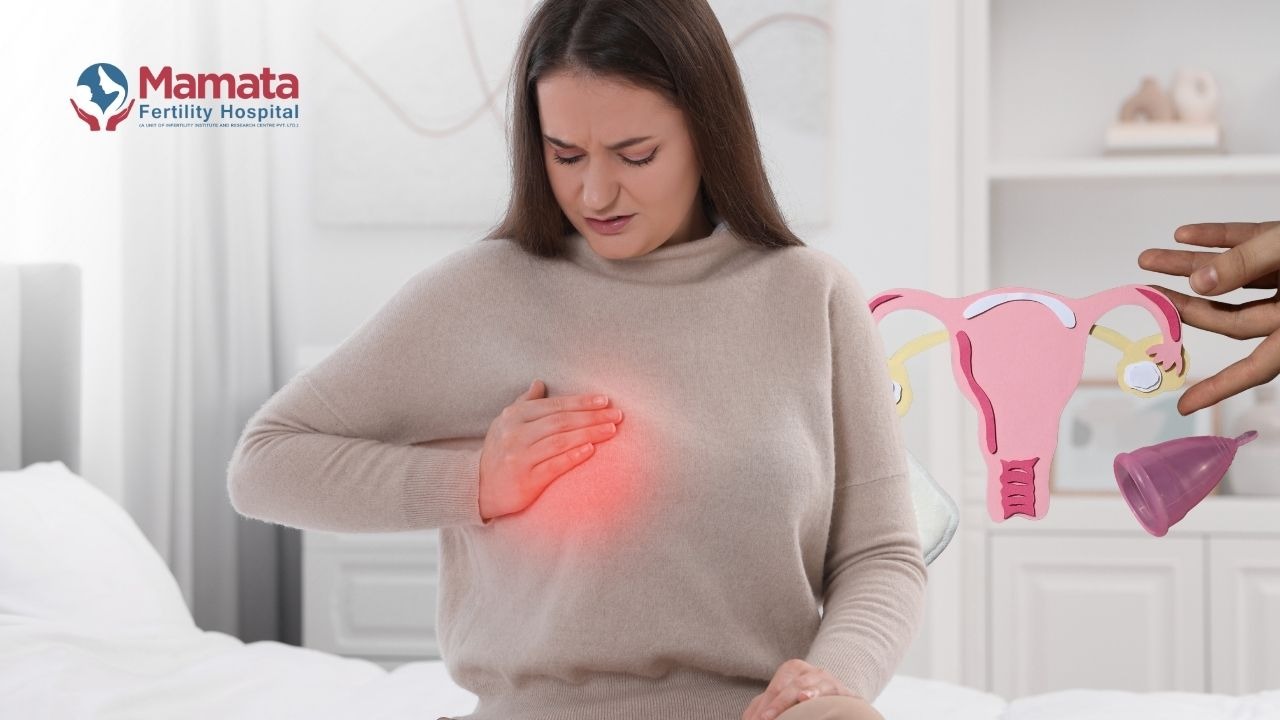
Yes, Menopause can cause breast pain, and it’s more common than many women expect. A lot of my patients at Mamata Fertility Hospital Hyderabad come to me concerned about breast tenderness, heaviness, or even sharp, stabbing pains during their menopausal years.
These sensations can be unsettling, especially when they appear suddenly or feel different than the breast pain they may have experienced earlier in life. Fortunately, in most cases, the discomfort is linked to hormonal changes—not something serious. Still, it’s important to know when to seek help and what’s considered normal during this phase of life.
What Happens to Your Breasts During Menopause?
One of the most frequent questions I hear is: “How does menopause affect your breasts?” The answer lies in how your breast tissue responds to changing hormone levels. Estrogen and progesterone the key female hormones start to decline during perimenopause and drop even further after menopause.
As estrogen levels fall:
- The glandular tissue in your breasts begins to shrink and is replaced by fat.
- You may notice your breasts becoming less firm or more tender.
- You may also experience breast sagging, skin thinning, or new sensitivity.
These physical changes can sometimes cause pain or discomfort, especially if the hormonal shifts happen suddenly or are more intense.
Why Does Breast Pain Happen During Menopause?
The medical term for breast pain is mastalgia, and it can occur for a variety of reasons especially during the hormonal ups and downs of menopause.
Some common causes of menopausal breast pain include:
- Fluctuating hormone levels, especially estrogen surges, can cause the breast ducts to swell, leading to tenderness or a burning feeling.
- Hormone replacement therapy (HRT) can also cause or worsen breast pain, depending on the type and dosage.
- Breast cysts may become more noticeable or sensitive during hormone changes.
- Improper bra support: As breast tissue changes, a poor-fitting bra can lead to increased discomfort.
While menopause-related breast pain is typically harmless, it’s always good to check in with your doctor if the pain feels unusual or doesn’t go away.
Hormonal changes can cause new or unfamiliar breast discomfort in your 30s and 35s. If the pain feels different from what you’ve experienced before, it’s wise to get evaluated. You may call 8790337035 to speak with our fertility specialist in Hyderabad.
When Should You Be Concerned?
This is a common and valid question. While most menopausal breast pain is mild and hormonal, there are situations where it’s important to seek medical advice.
Please see your doctor if you notice:
- A new lump or thickening in the breast or underarm
- Nipple discharge (especially if clear or bloody)
- Redness, dimpling, or changes in breast shape or skin texture
- One breast becoming larger, firmer, or more painful than the other
- Persistent pain that doesn’t improve with time or simple measures
- Fever or signs of infection (in rare cases)
Your peace of mind is important. If something doesn’t feel right, it’s worth getting checked.
How We Diagnose Breast Pain at Mamata Fertility Hospital Hyderabad
When a woman comes in with breast pain, we start by asking a few detailed questions and performing a gentle breast exam. We look at:
- Whether the pain affects one or both breasts
- If it’s constant or comes and goes
- Any visible changes to the breast or nipple
- Whether you’re using HRT or other medications
From there, we may suggest:
- A breast ultrasound, especially if the tissue feels dense or if you’re under 40
- A mammogram, especially if you’re over 40 or have a family history of breast concerns
- An MRI or biopsy, if imaging shows anything suspicious
In most cases, the tests are normal and confirm that the pain is due to hormonal or benign (non-cancerous) changes.
Early consultation helps rule out serious causes and provides reassurance if the pain is related to hormonal changes. To plan your visit, you can request an appointment through our contact .
What Can You Do to Relieve Breast Pain?
If your breast pain is linked to menopause, simple strategies can often help manage it. Many of these I recommend in my daily practice:
- Supportive bras: Make sure your bras fit well and provide the right support.
- Warm or cold compresses: Use whichever feels more soothing during painful episodes.
- Reduce caffeine: Some women find that cutting back on coffee, tea, or chocolate helps.
- Anti-inflammatory pain relief: Medications like ibuprofen or paracetamol can be helpful for occasional relief.
- Supplements: Some patients try vitamin E or evening primrose oil—but always check with your doctor first.
If you’re on HRT and experiencing new or worsening breast pain, we may adjust your dosage or explore alternative options. Everyone’s body responds differently to hormone therapy, so personalized care is key.
What If You’re Also Managing Other Midlife Changes?
Many women in their 40s and 50s are juggling a lot—family responsibilities, work, emotional changes, and physical symptoms all at once. Breast pain can feel like just one more thing to deal with. But remember: it’s okay to slow down and listen to your body.
At Mamata Fertility Hospital Hyderabad, we often see patients who are navigating menopause alongside other gynecologic or hormonal changes. Whether it’s irregular periods, hot flashes, or changes in breast tissue, we approach every symptom holistically—because everything in your body is connected.
When to Talk to a Doctor
You don’t have to wait until something feels serious. Reach out if:
- You’ve had breast pain for more than a few weeks and it’s not improving
- You notice something new or unusual in your breasts
- You’re unsure if your symptoms are linked to menopause or something else
- You’re starting or adjusting HRT and want to monitor side effects
Most importantly, trust your instincts. If something feels off, it’s always better to have it checked. Even if it turns out to be nothing serious, you’ll gain clarity and peace of mind.
Final Thoughts
Menopause breast pain is a real and common experience, often tied to hormone fluctuations during this transitional stage of life. While it can be uncomfortable or worrying, it’s usually temporary and manageable with the right approach. Still, persistent or unusual symptoms should never be ignored.
Your body goes through incredible changes during menopause and every woman experiences it differently. Whether you’re dealing with breast tenderness, mood swings, or changes in your menstrual cycle, you don’t have to go through it alone.
At Fertility Hospital Hyderabad, our team is here to help you feel confident, supported, and informed every step of the way. From diagnosis to relief strategies, we tailor care to your unique needs and concerns because you deserve comfort and clarity in this chapter of life.
If you are experiencing menopause-related breast pain in Hyderabad and want a proper evaluation in a comfortable setting, you may message our clinic directly on WhatsApp for guidance.

Dr Aarti Deenadayal Tolani
MBBS, MS ( OBGYN), FICOG
Clinical Director, Scientific In- Charge & Fertility Consultant with 20+ years Of Experience
Her Expertise:
CONSULT FERTILITY SPECIALIST

BLOGS & ARTICLES
How to Read and Interpret a Semen Analysis Test Report?
Learn how to read and interpret a semen analysis report, including sperm count, motility, morphology, semen volume, vitality, Total Motile Count, and WHO 2021 reference values.
How to Choose an IVF Clinic: A Patient’s Checklist
Choosing an IVF clinic? Use this patient checklist to compare diagnosis, ART registration, success rates, costs, treatment teams, add-ons and support.
Understanding Sperm DNA Fragmentation Test and IVF Success
Understand sperm DNA fragmentation testing, DFI levels, causes of high sperm DNA damage, and how SDF can affect IVF, ICSI, embryo quality and miscarriage risk.
Oligospermia Treatment: Low Sperm Count & Pregnancy Options
Oligospermia means a low sperm count. Learn its causes, diagnosis, treatment options, IUI, IVF with ICSI, and chances of conception.
Which Month Does Breast Milk Start During Pregnancy?
Learn when Breast Milk Start During Pregnancy, its stages, & preparation tips. Get expert advice the best maternity hospital in Hyderabad.
Azoospermia Treatment: Getting Pregnant with Zero Sperm Count
Can you get pregnant with zero sperm count? Learn about azoospermia treatment, sperm retrieval, micro-TESE, PESA, TESA and ICSI options.
Needle-Free IVF: Is It Available in India and Is It Right for You?
Learn about needle-free IVF in India, including how it works, cost, success rates, eligibility, benefits, risks, and how it compares with conventional IVF.
Fertility Treatment in Secunderabad: What to Look for in a Clinic Near You
Learn what the 5 stages of IVF are, including ovarian stimulation, egg retrieval, fertilisation, embryo transfer, and pregnancy testing. Understand the complete IVF timeline, duration, and what to expect during each stage.
How to Increase Sperm Count and Motility Naturally?
Learn how to increase sperm count and motility naturally through diet, exercise, supplements, healthy weight, better sleep, and lifestyle changes.
What Are the 5 Stages of IVF?
Learn what the 5 stages of IVF are, including ovarian stimulation, egg retrieval, fertilisation, embryo transfer, and pregnancy testing. Understand the complete IVF timeline, duration, and what to expect during each stage.
