

Can Fibroids Cause Preterm Labour? Understanding the Risks
A pregnancy journey is filled with excitement, anticipation, and a fair share of questions. For women diagnosed with uterine fibroids, one of the biggest concerns is how these common growths might affect their pregnancy and delivery. A frequent and valid question is: can fibroids cause preterm labour?
While a diagnosis of fibroids in pregnancy can be unsettling, it is important to understand that most women with fibroids experience healthy, full-term pregnancies. However, fibroids do introduce certain risks that require careful monitoring. This article provides a clear, detailed explanation of the link between fibroids and preterm labour, outlining the risks, symptoms to watch for, and how your medical team can help manage them.
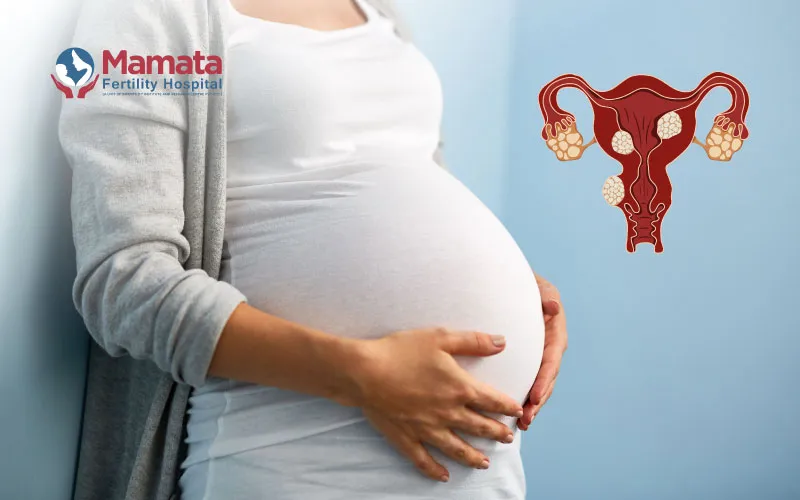
What Are Uterine Fibroids?
Uterine fibroids, or leiomyomas, are non-cancerous growths that develop in or on the walls of the uterus. They are incredibly common, affecting a large percentage of women during their reproductive years. These growths are made of muscle and fibrous tissue and can vary in size, number, and location.
Fibroids are typically classified based on where they grow:
- Intramural fibroids: Grow within the muscular uterine wall.
- Submucosal fibroids: Bulge into the uterine cavity.
- Subserosal fibroids: Project to the outside of the uterus.
- Pedunculated fibroids: Grow on a stalk, either inside or outside the uterus.
The location and size of fibroids are the most critical factors influencing their potential impact on a pregnancy.
How Can Fibroids Affect a Pregnancy?
While many women with fibroids have uneventful pregnancies, these growths can sometimes lead to complications. The primary ways fibroids in pregnancy can cause issues are by altering the uterine environment.
Large or numerous fibroids can distort the shape of the uterus, limiting the space available for the baby to grow and move. They can also interfere with blood flow to the placenta and affect the strength and coordination of uterine contractions. These disruptions are what lead to potential uterine fibroids complications.
The Link Between Fibroids and Preterm Labour
Research confirms a clear association between uterine fibroids and an increased risk of preterm labour. Preterm labour is defined as regular contractions that cause the cervix to open before 37 weeks of pregnancy. While the presence of fibroids does not guarantee an early delivery, it is a significant risk factor.
How Do Fibroids Increase Preterm Labour Risk?
Several mechanisms explain how fibroids contribute to preterm labour causes:
- Uterine Irritability: Large fibroids can stretch the uterine muscle fibres, making the uterus more irritable and prone to premature contractions.
- Reduced Space: As the baby grows, large fibroids can lead to overcrowding in the uterus. This can trigger labour to begin earlier than expected.
- Placental Issues: If the placenta implants near a fibroid, it may not receive adequate blood supply. This can lead to placental abruption (where the placenta detaches from the uterine wall), a serious complication that can trigger emergency preterm delivery.
- Fibroid Degeneration: Sometimes, a fibroid can outgrow its blood supply, causing it to break down in a process called “red degeneration.” This can cause severe abdominal pain and release prostaglandins, which are chemicals that can initiate labour contractions.
Risk Factors and Symptoms to Watch For
Not every woman with fibroids will experience preterm labour. The risk is highest for women with multiple fibroids, large fibroids (greater than 5-6 cm), or submucosal fibroids that distort the uterine cavity.
During a pregnancy with fibroids, it is crucial to be aware of the symptoms of preterm labour. Contact your doctor immediately if you experience any of the following before 37 weeks:
- Regular or frequent contractions (a tightening sensation in the abdomen)
- Constant low, dull backache
- A feeling of pelvic or lower abdominal pressure
- Mild abdominal cramps, with or without diarrhoea
- A change in vaginal discharge (watery, mucus-like, or bloody)
Early detection of these symptoms allows your medical team to intervene and potentially delay delivery.
When to Consult a Fertility Specialist
If you have been diagnosed with fibroids and are planning to conceive, consulting a specialist is a wise first step. A pre-conception consultation at Fertility Hospital Hyderabad allows a specialist to evaluate your fibroids’ size and location. They can help determine if any treatment, such as a myomectomy (surgical removal of fibroids), is needed before you get pregnant to reduce potential fibroid risks during pregnancy.
A specialist can create a personalised plan to optimise your chances of a healthy pregnancy and help manage your condition from the very beginning, offering peace of mind.
Treatment and Management of Fibroids During Pregnancy
Once you are pregnant, the focus shifts from removing the fibroids to managing their impact. Surgical removal is almost never performed during pregnancy due to the high risk of haemorrhage. Instead, management strategies include:
1. Close Monitoring
Your pregnancy will likely be classified as high-risk, which simply means you will receive more frequent monitoring. This includes regular ultrasounds to track the baby’s growth and the size of the fibroids. This close observation helps your doctor anticipate and manage potential issues early.
2. Managing Symptoms
If you experience pain from fibroid degeneration, your doctor will recommend safe management techniques such as rest, hydration, and mild pain relievers. If signs of preterm labour appear, your doctor may recommend medications called tocolytics to help stop contractions and allow the baby more time to develop. Steroid injections may also be given to help mature the baby’s lungs in anticipation of a possible early birth.
3. Personalised Delivery Plan
Your obstetrician at Mamata Fertility Hospital Hyderabad will work with you to create a delivery plan tailored to your specific situation. The location of the fibroids is key; if a large fibroid blocks the birth canal, a planned Caesarean section may be necessary.
Frequently Asked Questions (FAQ)
Will my fibroids grow during pregnancy?
Fibroids can grow during pregnancy, often in the first trimester, due to the surge in hormones like oestrogen. However, many remain the same size, and some may even shrink. Your doctor will monitor any changes with regular ultrasounds.
Can I do anything to prevent preterm labour if I have fibroids?
While you cannot eliminate the risk, you can help manage it. Attending all your prenatal appointments, staying hydrated, eating a balanced diet, managing stress, and immediately reporting any symptoms of preterm labour are crucial steps you can take.
Does having fibroids mean I will definitely need a C-section?
Not necessarily. Many women with fibroids have successful vaginal deliveries. A C-section is typically only required if a large fibroid obstructs the birth canal, if there are complications like fetal malpresentation (e.g., breech position), or if you experience failure to progress during labour.
Is bed rest recommended for pregnant women with fibroids?
Bed rest is no longer routinely recommended for most pregnancy complications, including fibroids. It is typically only advised in specific situations, such as active bleeding or confirmed preterm labour, to reduce pressure on the cervix.
Conclusion
The connection between fibroids and preterm labour is real, but it is not a definite outcome. With proactive management, close monitoring by a skilled medical team, and a clear understanding of the warning signs, the vast majority of women with fibroids can look forward to a healthy delivery and a healthy baby.
Open communication with your obstetrician is essential. By working together, you can navigate the fibroid risks during pregnancy and make informed decisions that prioritise the well-being of both you and your little one.

Dr Aarti Deenadayal Tolani
MBBS, MS ( OBGYN), FICOG
Clinical Director, Scientific In- Charge & Fertility Consultant with 20+ years Of Experience
Her Expertise:
CONSULT FERTILITY SPECIALIST

Latest Blogs

How to Read and Interpret a Semen Analysis Test Report?
Learn how to read and interpret a semen analysis report, including sperm count, motility, morphology, semen volume, vitality, Total Motile Count, and WHO 2021 reference values.

How to Choose an IVF Clinic: A Patient’s Checklist
Choosing an IVF clinic? Use this patient checklist to compare diagnosis, ART registration, success rates, costs, treatment teams, add-ons and support.

Understanding Sperm DNA Fragmentation Test and IVF Success
Understand sperm DNA fragmentation testing, DFI levels, causes of high sperm DNA damage, and how SDF can affect IVF, ICSI, embryo quality and miscarriage risk.

Oligospermia Treatment: Low Sperm Count & Pregnancy Options
Oligospermia means a low sperm count. Learn its causes, diagnosis, treatment options, IUI, IVF with ICSI, and chances of conception.
