

Vaginal Discharge After Menopause: Is It Normal?
Yes—vaginal discharge after menopause can be normal in many cases. But I understand how worrisome it can feel when you notice changes down there, especially when you’re no longer menstruating. Many of my patients at Mamata Fertility Hospital Hyderabad come in feeling anxious about the new discharge, unsure if it’s a sign of infection, dryness, or something more serious.
The good news is that postmenopausal discharge is often manageable and rarely dangerous, but understanding the cause is key to peace of mind and proper care.
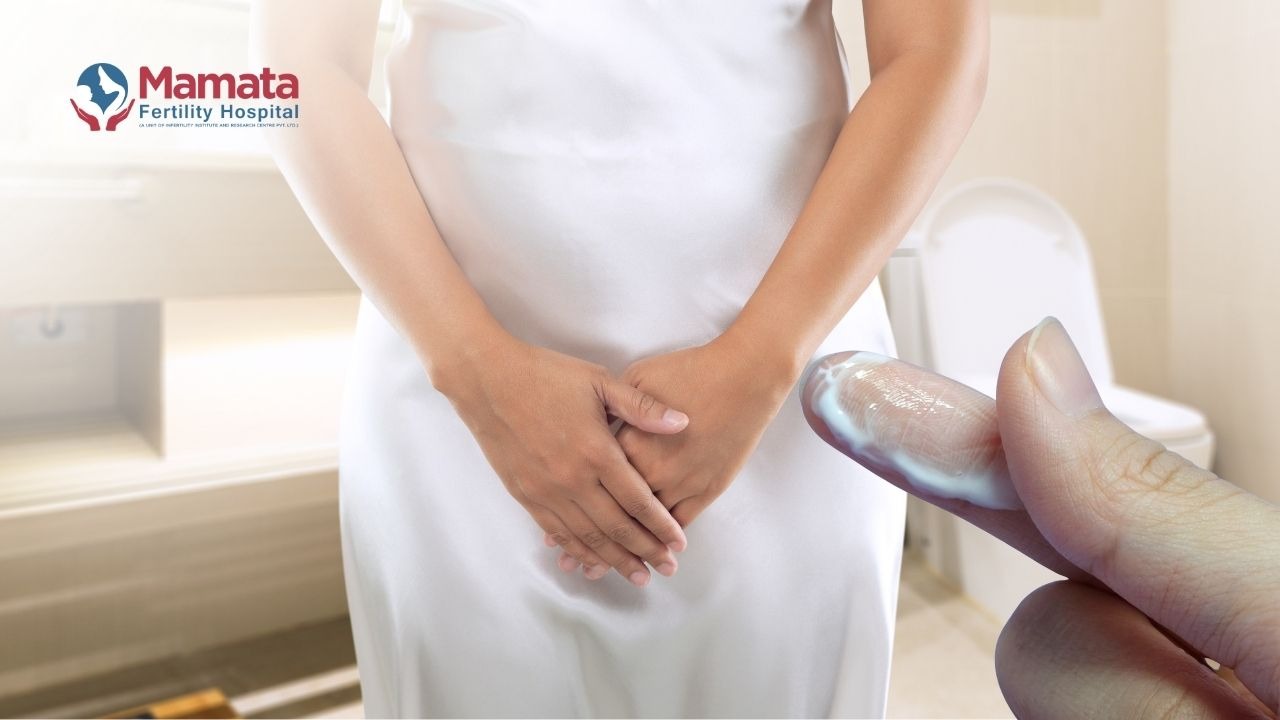
Understanding Vaginal Discharge After Menopause
Menopause is defined as the stage in a woman’s life when she hasn’t had a period for 12 months in a row. It usually happens between ages 45 and 55 and is caused by a natural drop in estrogen. That estrogen decline doesn’t just affect your periods—it impacts your entire reproductive system, including the vaginal walls, moisture levels, and the balance of healthy bacteria.
In your reproductive years, vaginal discharge plays an important role in keeping your vagina clean and healthy. Even after menopause, your body may still produce small amounts of discharge. It may look different than what you were used to before—perhaps lighter, thinner, or less frequent—but not all discharge is a sign of a problem.
So how do you tell what’s normal from what’s not? That’s what we’ll explore next.
What Menopause Discharge Is Considered Normal?
After menopause, some women continue to have light, clear, or white vaginal discharge, and that’s usually completely normal—especially if it has no strong odor, itching, or burning. The glands in your cervix and vaginal walls can still secrete a small amount of fluid to keep the area moist.
However, when estrogen levels drop, the vaginal tissue becomes thinner, less elastic, and dryer, a condition known as vaginal atrophy, or more recently called genitourinary syndrome of menopause (GSM). As a result, the vagina becomes more prone to irritation, inflammation, and sometimes unusual discharge.
When Is Discharge a Concern?
Let me walk you through the signs that suggest something might not be quite right:
- Discharge that is thick, yellow, green, or gray
- A foul or fishy odor
- Itching, burning, or soreness
- Discomfort during urination or sex
- Pink or brown-tinged discharge, which may suggest spotting or postmenopausal bleeding
Sometimes these symptoms are due to infections, such as a yeast infection or bacterial vaginosis. Other times, it’s irritation caused by vaginal dryness or pH imbalance. In rare cases, discharge may be related to polyps or, more seriously, precancerous or cancerous changes. That’s why I always encourage women to seek a medical evaluation if they’re unsure.
What Causes Discharge After Menopause?
There are several possible causes, and many are very treatable:
- Hormonal changes – As estrogen drops, the vaginal environment changes. This leads to dryness, irritation, and sometimes a watery or yellowish discharge. This is part of vaginal atrophy, and it’s more common than many women realize.
- Infections – Bacterial vaginosis and yeast infections are less common after menopause but can still happen. These typically produce unusual odors, color changes, or irritation.
- Urinary tract infections (UTIs) – Sometimes, the discharge you’re noticing is linked to a nearby infection in the bladder or urethra.
- Foreign bodies – In rare cases, a forgotten tampon or pessary can cause discharge, irritation, or even infection.
- Medical conditions – Polyps, cervical inflammation, or (rarely) cancer may cause bloody or abnormal discharge. This is why ongoing symptoms should never be ignored.
The good news? Once we identify the cause, most cases respond well to treatment.
How Is Discharge Diagnosed?
When a woman comes to me with this concern, I always start with a conversation. We talk about:
- When the discharge started
- Its color, texture, and smell
- Any related symptoms (itching, burning, bleeding)
- Whether she’s using hormone therapy or any vaginal products
Then, we do a pelvic exam to look at the vaginal tissue and rule out any visible causes of irritation. I may collect a sample of the discharge to send to the lab and check for infections or abnormal cells. In some cases, we use a transvaginal ultrasound to check the uterus or endometrial lining if bleeding is involved.
These steps are gentle, quick, and help give us clear answers.
Treatment for Discharge in Menopause
Once we determine the cause, we can start the right treatment. I always reassure my patients that treatment for discharge in menopause is usually simple and highly effective.
- For vaginal dryness or atrophy:
- Non-hormonal lubricants and vaginal moisturizers
- Prescription vaginal estrogen therapy (cream, tablet, or ring) to restore moisture and tissue health. This is localized and generally safe, especially for those not on systemic hormone therapy.
- For infections:
- Yeast infections: antifungal medications (oral or vaginal)
- Bacterial vaginosis: oral or topical antibiotics
- Trichomoniasis or other STIs: specific antibiotics based on diagnosis
- For abnormal growths or bleeding:
- We may refer for a biopsy or gynecologic procedure if needed, but most causes are benign and manageable.
Remember, the earlier we catch an issue, the easier it is to treat—and the faster you feel relief.
How to Keep Your Vaginal Health in Check After Menopause
Preventive care plays a big role in avoiding discomfort. Here are some everyday tips I give my patients:
- Use unscented, gentle cleansers—no douching or harsh soaps
- Choose cotton underwear and avoid tight clothing
- Stay sexually active or use vaginal dilators—this helps maintain blood flow and elasticity
- Stay hydrated and avoid smoking, which worsens tissue dryness
- See your gynecologist once a year, even after menopause
If you’ve experienced menopause symptoms, you know they can be disruptive—but they are also completely manageable with the right support.
Final Thoughts
To sum it up: menopause discharge can be perfectly normal, especially if it’s light, odorless, and not accompanied by other symptoms. But if the discharge looks different, smells bad, or comes with pain, itching, or bleeding, it’s time to talk to your doctor.
At Mamata Fertility Hospital Hyderabad, we take the time to listen, evaluate gently, and guide you toward solutions that work for your body and your comfort. Whether it’s vaginal atrophy, an infection, or simply your body’s natural adjustment to menopause, we’re here to help you feel at ease again.
Your postmenopausal years can be vibrant, healthy, and comfortable. Don’t let worry about discharge keep you from living fully. If something feels off, let’s check it out together—you deserve that peace of mind.
Final Thoughts
Menopause breast pain is a real and common experience, often tied to hormone fluctuations during this transitional stage of life. While it can be uncomfortable or worrying, it’s usually temporary and manageable with the right approach. Still, persistent or unusual symptoms should never be ignored.
Your body goes through incredible changes during menopause and every woman experiences it differently. Whether you’re dealing with breast tenderness, mood swings, or changes in your menstrual cycle, you don’t have to go through it alone.
At Fertility Hospital Hyderabad, our team is here to help you feel confident, supported, and informed every step of the way. From diagnosis to relief strategies, we tailor care to your unique needs and concerns because you deserve comfort and clarity in this chapter of life.

Dr Aarti Deenadayal Tolani
MBBS, MS ( OBGYN), FICOG
Clinical Director, Scientific In- Charge & Fertility Consultant with 20+ years Of Experience
Her Expertise:
CONSULT FERTILITY SPECIALIST

BLOGS & ARTICLES
After Pregnancy Sex: Is It Good or Bad?
Understand chemical pregnancy, its causes, symptoms, and relation to IVF. Find support and expert care to move forward with hope.
Is Endometriosis Affecting Your Fertility?
Endometriosis can affect fertility by causing inflammation, scarring, and hormonal imbalances. Early diagnosis and expert care improve chances of conception.
How to Prevent Chemical Pregnancy?
Learn how to prevent chemical pregnancy with expert tips, medical advice, and emotional support. Consult Mamata Fertility Hospital Hyderabad for guidance.
What is Chemical Pregnancy?
Understand chemical pregnancy, its causes, symptoms, and relation to IVF. Find support and expert care to move forward with hope.
How to Avoid Pregnancy Naturally?
How to Avoid Pregnancy Naturally?PregnancyPreventing pregnancy is a deeply personal decision that requires careful consideration and understanding. Many women of reproductive age seek natural family planning methods as a way to avoid pregnancy without the use of...
Can Precum Cause Pregnancy?
Can Precum Cause Pregnancy? PregnancyUnderstanding Precum and Its Role in Conception When discussing fertility and reproduction, many individuals and couples often wonder, Can precum cause pregnancy? To answer this, it’s important to first understand what precum is....
How to Increase Hemoglobin in Pregnancy?
How to Increase Hemoglobin in Pregnancy?PregnancyMaintaining healthy hemoglobin levels during pregnancy is essential for both maternal and fetal well-being. Hemoglobin, a protein in red blood cells, carries oxygen throughout your body and to your baby. Low hemoglobin...
35-Day Cycle: When to Test for Pregnancy
Wondering when to take a pregnancy test with a 35-day cycle? Learn the best timing for accurate results, testing tips, and expert advice from Mamata Fertility Hospital Hyderabad.
Home Pregnancy Test After IVF Embryo Transfer: What You Need to Know
Home > Blogs > Home Pregnancy Test After IVF Embryo TransferHome Pregnancy Test After IVF Embryo Transfer: What You Need to KnowSuccessfully navigating the in vitro fertilisation (IVF) process is a monumental step for many couples trying to conceive. After an...
Precautions After Embryo Transfer in IVF
Home > Blogs > Precautions After Embryo Transfer in IVFPrecautions After Embryo Transfer in IVFIVF, or in vitro fertilisation, can be a life-changing procedure for couples struggling with infertility. The process involves multiple stages, culminating in an...
