
Does Pregnancy Improve or Worsen Endometriosis? Gynaecologist Explains
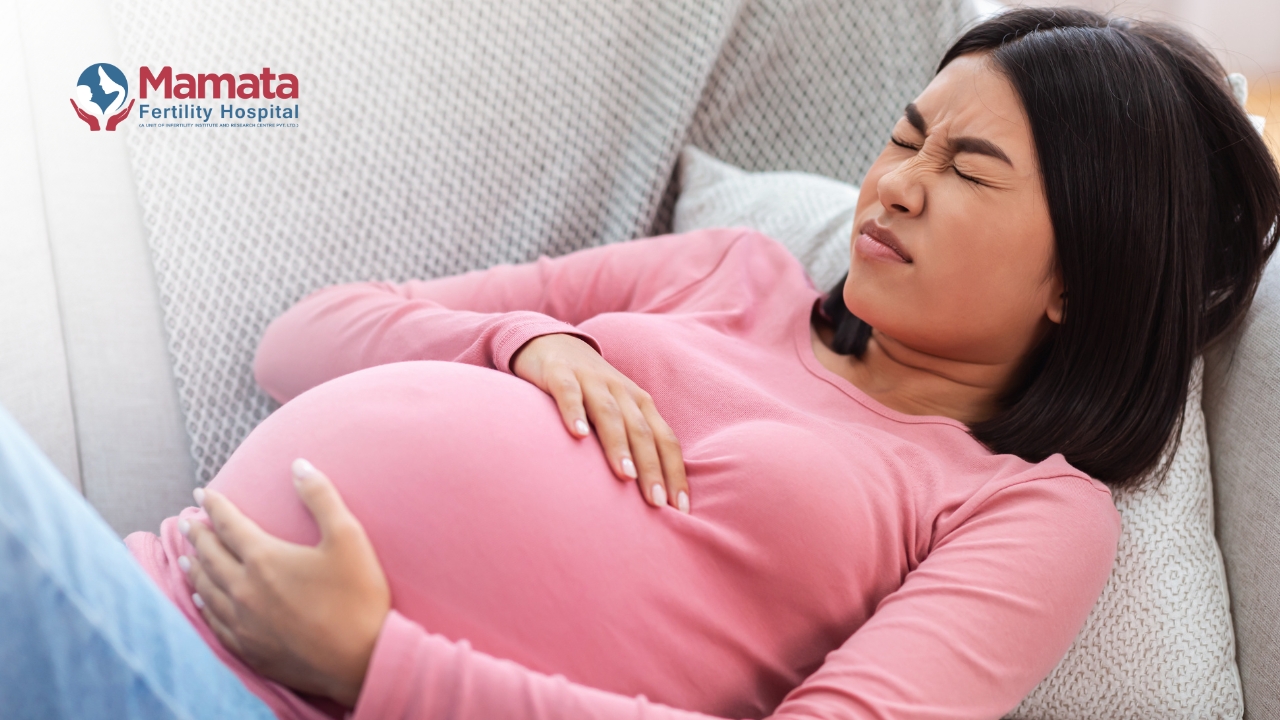
If you have endometriosis, you may have heard that getting pregnant can “cure” it, improve symptoms, or even make it worse. Then here is your answer:
1. Pregnancy can temporarily relieve endometriosis symptoms due to high progesterone levels and the absence of periods, but symptoms often return after childbirth.
2. Breastfeeding may delay their return, though some may experience worsened pain from the expanding uterus.
3. Endometriosis also increases pregnancy complication risks, making experiences highly variable.
Endometriosis is a challenging condition that affects millions of women, often causing pain, heavy periods, and difficulty conceiving.
This article explores how pregnancy relates to endometriosis, debunking myths, examining hormonal changes during and after pregnancy, and discussing the effect of this condition on fertility and long-term symptom management.
If you’re seeking clarity or considering pregnancy as a treatment avenue, consulting an experienced Endometriosis Specialist in Secunderabad or Hyderabad can help you make informed decisions regarding your health and reproductive goals.
How Pregnancy Affects Endometriosis?
As a fertility specialist with over 17 years of experience, one of the most common beliefs I encounter in my clinic at Mamata Fertility Hospital is that pregnancy can “cure” endometriosis.
While this is a myth, pregnancy does have a profound, albeit temporary, effect on the condition.
The primary effect is driven by hormones.
Pregnancy creates a high-progesterone, low-oestrogen state.
Since endometriosis is an oestrogen-dependent disease, this hormonal shift effectively “starves” the endometrial implants.
Progesterone has anti-inflammatory properties and can induce a process called decidualisation in the endometriotic lesions, making them inactive.
Furthermore, the absence of the menstrual cycle (amenorrhoea) means there is no monthly bleeding from these implants, which is a major source of pain and inflammation.
For many women, this leads to a significant reduction or complete disappearance of symptoms like pelvic pain and heavy bleeding throughout the nine months.
However, it’s crucial to understand this is a temporary suppression, not an eradication of the disease.
Lesions remain in place, and their behaviour depends on other factors like lesion severity, location, and individual hormonal sensitivity.
Does Pregnancy “Cure” Endometriosis?
Does pregnancy help endometriosis?
A common misconception is that pregnancy can cure endometriosis.
This belief likely originates from the temporary symptom relief many women experience during pregnancy.
However, research confirms that pregnancy cannot cure the endometriosis for several reasons:
- Tissue Persistence: Endometrial-like tissue outside the uterus remains, even if its activity slows during pregnancy.
- Post-Pregnancy Recurrence: After delivery, hormonal levels return to their pre-pregnancy state, often causing symptoms to return.
- Chronic Nature: Endometriosis is a long-term condition that typically requires ongoing management, even if pregnancy provides temporary relief.
Women planning pregnancy as a treatment for endometriosis should discuss the risks and realistic outcomes with a qualified Endometriosis Doctor in Hyderabad to understand the broader implications.
Do Endometriomas Shrink During Pregnancy?
This is a complex question with a variable answer.
An endometrioma, or a “chocolate cyst,” is a cyst on the ovary filled with old blood from endometrial implants.
Their response to pregnancy is unpredictable.
In many cases, the high-progesterone environment can cause the endometrioma to remain stable or even shrink slightly.
The process of decidualisation can change the cyst’s appearance on an ultrasound, making it look more solid, which can sometimes be mistaken for a malignant change by an inexperienced observer.
However, in a minority of cases, endometriomas can grow during pregnancy. This is often due to the increased blood flow to the pelvic organs and hormonal changes.
In very rare instances, a rapidly growing or large endometrioma (typically >5 cm) can lead to complications such as rupture or ovarian torsion (twisting of the ovary), which are surgical emergencies.
This is why at our Hyderabad Fertility Hospital, we closely monitor any known endometriomas with ultrasounds throughout the pregnancy.
Does Endometriosis Affect the Baby?
This is a primary concern for expectant mothers, and I always reassure them that endometriosis does not directly harm the baby.
The baby is protected within the uterus.
However, the condition does increase the risk of certain pregnancy complications for the mother, which can indirectly affect the pregnancy journey.
Studies have shown that women with endometriosis have a slightly higher risk of:
- Preterm Birth: Delivering before 37 weeks.
- Placenta Praevia: Where the placenta partially or fully covers the cervix.
- Small for Gestational Age (SGA) Babies: Babies born with a lower weight than expected.
- Caesarean Section: The need for a C-section is higher due to complications like placenta praevia or labour dystocia.
It’s important to frame this correctly:
the risk is increased, but the absolute risk is still low.
It simply means that a pregnancy in a woman with endometriosis is considered higher-risk and requires more vigilant monitoring from her obstetrician.
What Happens to Endometriosis Every Trimester?
- First Trimester: This can be a mixed bag. Some women experience a continuation of their pelvic pain or even cramping as the uterus begins to grow and stretch adhesions. In rare cases, decidualised endometriotic lesions can bleed, causing spotting that can be mistaken for a threatened miscarriage.
- Second Trimester: This is often called the “honeymoon period.” For most women, symptoms dramatically improve. The uterus rises out of the pelvis, pulling away from pelvic implants, and progesterone levels are high, leading to significant pain relief.
- Third Trimester: As the baby gets larger, the sheer size and weight of the uterus can put pressure on existing adhesions or deep infiltrating nodules (especially those involving the bowel or uterosacral ligaments), which can cause a return of some pelvic or back pain.
How Quickly Does Endometriosis Grow Back After Pregnancy?
Any improvement in endometriosis symptoms during pregnancy is typically temporary.
After delivery, hormonal levels gradually return to pre-pregnancy patterns, potentially leading to symptom recurrence.
1. Postpartum Hormonal Shifts
Once progesterone and oestrogen stabilise post-pregnancy, menstruation resumes. Endometrial lesions may once again respond to monthly hormonal changes, causing pain and inflammation.
2. Breastfeeding’s Impact
Breastfeeding delays ovulation and menstruation, which may extend the symptom-free period for endometriosis. However, this is not guaranteed, as some women report flare-ups even while breastfeeding.
3. Progression of the Condition
Pregnancy does not stop the natural progression of endometriosis. Without targeted medical or surgical treatment, the condition typically remains active and may worsen over time.
Treatment Options for Endometriosis After Pregnancy
Postpartum care for endometriosis focuses on symptom relief and addressing any lingering fertility challenges.
Fortunately, there are multiple options available to manage the condition effectively.
1. Hormonal Therapy
Hormonal treatments, such as oral contraceptives or progestins, can suppress periods and reduce symptoms post-pregnancy. Long-term regimens like intrauterine devices (IUDs) provide both symptom relief and contraception.
2. Pain Relief
NSAIDs, like ibuprofen, are commonly used to manage pain. Women experiencing persistent discomfort after pregnancy may require adjustable dosages recommended by their Gynaecologist.
3. Surgical Intervention
For severe or resistant cases, laparoscopic surgery may be necessary to remove endometriosis lesions and scar tissue. This approach can effectively relieve pain and improve fertility outcomes.
4. Lifestyle Changes
- Anti-Inflammatory Diet: Fresh produce, omega-3 fats, and whole grains can reduce flare-ups.
- Regular Physical Activity: Light to moderate exercise boosts circulation and lowers inflammation.
- Stress Management: Practices like yoga or meditation can alleviate symptom severity.
Why It Is Important to Excise Endometriosis Surgically Before Planning Conception?
For some women struggling to conceive, surgical excision of endometriosis becomes an important consideration before attempting pregnancy.
Removing endometriotic lesions can offer several key benefits for fertility outcomes.
1. Restoring Normal Anatomy:
Endometriosis can distort pelvic structures and create adhesions that pull the ovaries or block the fallopian tubes. Carefully excising these lesions can restore organ alignment, improving the ability of eggs and sperm to meet naturally or during ART procedures like IVF, IUI etc.
2. Reducing Inflammation:
Endometriosis is driven by chronic inflammation, which creates a toxic environment for eggs, sperm, and embryos. Surgical removal of visible lesions helps reduce this inflammatory burden, potentially improving egg quality and the chances of successful embryo implantation.
3. Increasing Success of Assisted Reproductive Techniques (ART):
Certain forms of endometriosis, such as deep infiltrating nodules or large endometriomas, can reduce IVF success or make egg retrieval technically difficult. Excision can enhance access to the ovaries, improve the uterine environment, and boost the effectiveness of IVF or IUI cycles.
4. Relieving Obstructions:
Lesions that block the fallopian tubes or cause a hydrosalpinx (fluid-filled tube) can prevent pregnancy altogether. Surgical removal clears these blockages, restoring the natural pathway for conception and dramatically increasing the chance of a healthy pregnancy.
While not every woman with endometriosis needs surgery before pregnancy, it is sometimes the most effective way to address structural problems, persistent inflammation, or barriers to successful conception.
Before proceeding, a thorough evaluation by an experienced fertility specialist is essential to balance the potential benefits with risks such as lowered ovarian reserve. At Mamata Fertility Hospital, we help each patient make fully informed decisions to optimise their fertility journey.
Best Age to Get Pregnant with Endometriosis
From a purely biological standpoint, the best age to get pregnant with endometriosis is as early as you are personally and practically ready.
Endometriosis is a progressive disease, meaning it tends to worsen over time.
Fertility, in general, declines with age, particularly after 35.
When you combine the natural age-related decline in fertility with the progressive nature of endometriosis, the window of opportunity can narrow more quickly.
I counsel my patients at Mamata Fertility Hospital that if they have an endometriosis diagnosis and are considering children in the future, they should not delay unnecessarily. If you are not ready for a child but are in your late 20s or early 30s, considering options like egg freezing might be a wise insurance policy for the future.
Is Pregnancy Difficult with Endometriosis?
Yes, achieving pregnancy can be significantly more difficult for women with endometriosis.
In my experience, approximately 30-50% of women with endometriosis will face fertility challenges.
The reasons are multi-faceted:
- Mechanical Blockages: Endometriosis causes inflammation that leads to scar tissue, or adhesions. These adhesions can distort the pelvic anatomy, blocking the fallopian tubes or pulling the ovaries away from the tubes, making it physically impossible for the egg and sperm to meet.
- Toxic Pelvic Environment: The fluid in the pelvis of women with endometriosis is filled with inflammatory markers called cytokines. This fluid is toxic to sperm, eggs, and embryos, impairing their function and survival.
- Reduced Egg Quality: The inflammation can also affect the ovaries directly, leading to a lower ovarian reserve (AMH level) and compromising the quality of the eggs.
- Implantation Issues: Endometriosis can alter the uterine lining’s receptivity, making it harder for an embryo to implant successfully, even with IVF.
Practical Tips and Reminders
Here are some practical tips for managing endometriosis before, during, and after pregnancy:
- Communicate Your Goals: Share your reproductive and symptom-relief priorities with your healthcare provider.
- Monitor Symptoms: Track changes in pain, cycle patterns, or other symptoms to determine how pregnancy affects you.
- Seek Early Care: If fertility is a concern, don’t delay consulting a Gynaecologist in Hyderabad for proactive management.
- Be Realistic: Treat pregnancy as a part of your endometriosis care plan, not a full solution. Combining it with medical treatments will offer the best long-term results.
Frequently Asked Questions — Pregnancy and Endometriosis
1. Can pregnancy cure endometriosis?
-No. Pregnancy does not cure endometriosis permanently. While many women experience temporary relief of symptoms due to hormonal changes, the condition itself persists and symptoms often return after childbirth.
2. Why do endometriosis symptoms sometimes improve during pregnancy?
-During pregnancy, high progesterone levels and the absence of menstrual cycles create an environment where endometrial implants become less active, leading to reduced inflammation and pain for some women.
3. Will my endometriosis symptoms go away forever once I’m pregnant?
-Not necessarily. For many women, symptom relief during pregnancy is temporary. After delivery, hormonal levels return to pre-pregnancy patterns and symptoms frequently recur.
Final Thoughts
Pregnancy has varying effects on endometriosis, from temporary improvement to no change at all. While its hormonal environment may offer a short reprieve, it’s not a cure, and symptoms often return postpartum. Knowing this can help women make informed decisions about family planning and care.
At Mamata Fertility Hospital, Hyderabad, our dedicated Gynaecologists provide compassionate, evidence-based care. Whether you’re managing symptoms, exploring fertility options, or seeking post-pregnancy support, we are here to guide you every step of the way.
Take charge of your health today. Book your consultation with our team and pave the way for a healthier tomorrow.

Dr Aarti Deenadayal Tolani
MBBS, MS ( OBGYN), FICOG
Clinical Director, Scientific In- Charge & Fertility Consultant with 20+ years Of Experience
Her Expertise:
CONSULT FERTILITY SPECIALIST

Latest Blogs

How to Read and Interpret a Semen Analysis Test Report?
Learn how to read and interpret a semen analysis report, including sperm count, motility, morphology, semen volume, vitality, Total Motile Count, and WHO 2021 reference values.

How to Choose an IVF Clinic: A Patient’s Checklist
Choosing an IVF clinic? Use this patient checklist to compare diagnosis, ART registration, success rates, costs, treatment teams, add-ons and support.

Understanding Sperm DNA Fragmentation Test and IVF Success
Understand sperm DNA fragmentation testing, DFI levels, causes of high sperm DNA damage, and how SDF can affect IVF, ICSI, embryo quality and miscarriage risk.

Oligospermia Treatment: Low Sperm Count & Pregnancy Options
Oligospermia means a low sperm count. Learn its causes, diagnosis, treatment options, IUI, IVF with ICSI, and chances of conception.
