
How to Minimize Miscarriage Risk with Fibroids?
Finding out you have uterine fibroids can be worrying, especially if you are planning a pregnancy. The fear that they might lead to pregnancy loss is completely valid and a common concern for many women. Fibroids are very common, affecting a large percentage of women, but it’s important to hear this reassurance first: the vast majority of women with fibroids go on to have healthy, full-term pregnancies.
While no one can guarantee a specific outcome, you are not powerless. By understanding the risks and taking proactive steps, you can significantly lower the chances of complications. This guide will walk you through medical and lifestyle choices that can help protect your pregnancy and give you peace of mind.
A Three-Pronged Approach
Reducing miscarriage risk with fibroids involves a three-pronged approach:
- Early Detection: Identifying the size and location of your fibroids before or early in pregnancy.
- Medical Support: Using treatments like progesterone and undergoing regular monitoring.
- Lifestyle Adjustments: Adopting habits like pelvic rest and an anti-inflammatory diet.
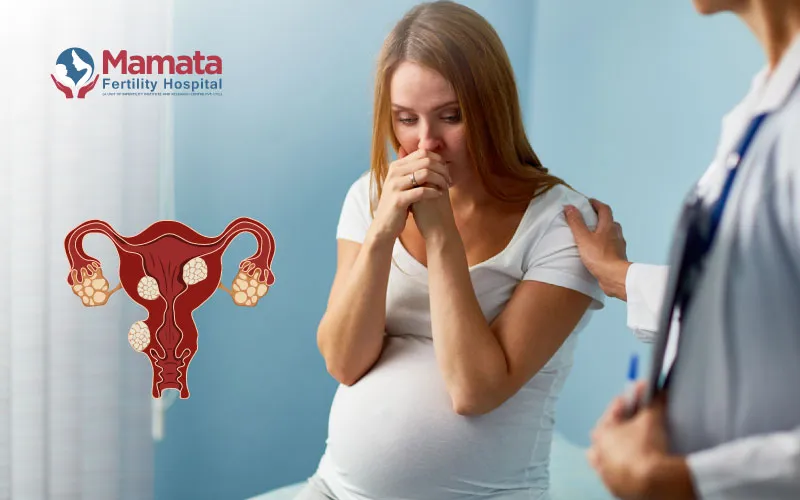
The key insight is that not all fibroids are created equal. Submucosal fibroids, which grow inside the uterine cavity, pose the highest risk because they can interfere with implantation. In contrast, subserosal fibroids, which grow on the outer wall of the uterus, pose the least risk.
Phase 1: Before You Get Pregnant
If you are planning a pregnancy and know you have fibroids, you have a valuable opportunity to be proactive. Taking steps before you conceive can create the best possible environment for a future pregnancy.
1. Mapping the Fibroids
The first step is to get a clear picture of your uterus. A standard ultrasound can identify fibroids, but more detailed tests are needed to see if they are affecting the uterine lining. Your doctor may recommend a Saline Sonography or an HSG (Hysterosalpingogram). These tests help determine if a fibroid is distorting the cavity where the embryo needs to implant.
2. Surgical Options (Myomectomy)
If a fibroid is found to be in a high-risk location (submucosal) or is very large (over 5cm), your doctor may recommend a myomectomy. This is a surgical procedure to remove the fibroids. According to specialists like Dr. Aarti Deendayal, modern techniques are minimally invasive. Options like hysteroscopic or laparoscopic myomectomy offer shorter recovery times and are very effective at improving the uterine environment for pregnancy.
3. Uterine Artery Embolization (UAE)
UAE is another procedure that shrinks fibroids by blocking their blood supply. However, it is important to discuss this option with caution. While effective, UAE may impact future fertility, so it is generally not the first choice for women who still wish to have children.
Phase 2: During Pregnancy (Medical Management)
If you are already pregnant and have fibroids, the focus shifts to careful management and support.
1. Progesterone Support
Progesterone is a crucial hormone for maintaining a healthy pregnancy. It helps stabilise the uterine lining, making it more hospitable for the growing embryo. In some cases, your doctor may prescribe progesterone supplements during the first trimester to provide extra support and reduce the risk of early pregnancy loss.
2. Managing “Red Degeneration”
Sometimes, a fibroid can outgrow its blood supply, causing it to break down. This condition, known as red degeneration, can be very painful and cause uterine cramping. The main concern is that this stress could lead to contractions. Treatment typically involves rest, staying well-hydrated, and using safe pain relief like paracetamol to manage the discomfort.
3. Monitoring Protocol
A fibroid diagnosis will likely classify your pregnancy as “high-risk.” While this sounds alarming, it is actually a good thing. It means your medical team at a facility like Mamata Fertility Hospital Hyderabad will monitor you more closely. You will have more frequent scans to track the fibroid’s growth and ensure the baby is developing well, allowing for early intervention if any issues arise.
Phase 3: Lifestyle & Holistic Care
Your daily habits can also play a supportive role in maintaining a healthy pregnancy with fibroids.
1. The “Pelvic Rest” Rule
If you experience any spotting or bleeding, your doctor may recommend “pelvic rest.” This is a precautionary measure to avoid irritating the cervix and uterus. It typically means refraining from intercourse, intense exercise, and heavy lifting until the bleeding has stopped.
2. Anti-Inflammatory Nutrition
While no diet can eliminate fibroids, certain foods may help manage them. Focusing on an anti-inflammatory diet rich in leafy greens, fatty fish, and foods high in Vitamin D can support uterine health. It is also wise to limit foods that can fuel inflammation and potential fibroid growth, such as processed meats, excessive sugar, and refined carbohydrates.
3. Stress Management
High levels of stress produce the hormone cortisol, which can lead to uterine irritability. Incorporating stress-management techniques like gentle yoga, meditation, deep breathing exercises, or simply making time for relaxing hobbies can have a positive impact on your well-being.
Warning Signs: When to Seek Help
It’s important to know the difference between normal fibroid-related discomfort and signs of a potential miscarriage. Contact your doctor immediately if you experience:
- Heavy Bleeding: More than just spotting; soaking through a pad.
- Rhythmic Cramps: Contractions that come and go in a pattern, unlike a constant dull ache.
- Watery Discharge: A gush or continuous trickle of fluid, which could be a sign of your water breaking prematurely.
Frequently Asked Questions
Can exercise cause a miscarriage with fibroids?
Generally, no. Low-impact exercises like walking, swimming, and prenatal yoga are safe and beneficial. However, if you have complications like bleeding, your doctor may restrict high-impact activities.
Do fibroids grow faster during pregnancy?
Often, yes. The surge in pregnancy hormones, particularly oestrogen, can cause fibroids to grow during the first trimester. Your doctor will monitor this with ultrasounds.
Is bed rest required for a pregnancy with fibroids?
Bed rest is not routinely recommended. It is typically only advised in specific cases, such as persistent bleeding or signs of preterm labour, to reduce pressure on the cervix.
Conclusion
While having fibroids during pregnancy does come with certain risks, it is far from a guarantee of complications. With modern medicine and proactive care, a safe and healthy pregnancy is highly likely. The best approach is to work closely with a knowledgeable medical team.
Scheduling a “Pre-conception Counselling” appointment at a specialised Fertility Hospital Hyderabad can provide you with a personalised plan to navigate your journey to parenthood with confidence.

Dr Aarti Deenadayal Tolani
MBBS, MS ( OBGYN), FICOG
Clinical Director, Scientific In- Charge & Fertility Consultant with 20+ years Of Experience
Her Expertise:
CONSULT FERTILITY SPECIALIST

Latest Blogs

How to Choose an IVF Clinic: A Patient’s Checklist
Choosing an IVF clinic? Use this patient checklist to compare diagnosis, ART registration, success rates, costs, treatment teams, add-ons and support.

Understanding Sperm DNA Fragmentation Test and IVF Success
Understand sperm DNA fragmentation testing, DFI levels, causes of high sperm DNA damage, and how SDF can affect IVF, ICSI, embryo quality and miscarriage risk.

Oligospermia Treatment: Low Sperm Count & Pregnancy Options
Oligospermia means a low sperm count. Learn its causes, diagnosis, treatment options, IUI, IVF with ICSI, and chances of conception.

Which Month Does Breast Milk Start During Pregnancy?
Learn when Breast Milk Start During Pregnancy, its stages, & preparation tips. Get expert advice the best maternity hospital in Hyderabad.
