

Factors Influencing Endometrial Thickness in Postmenopausal Women
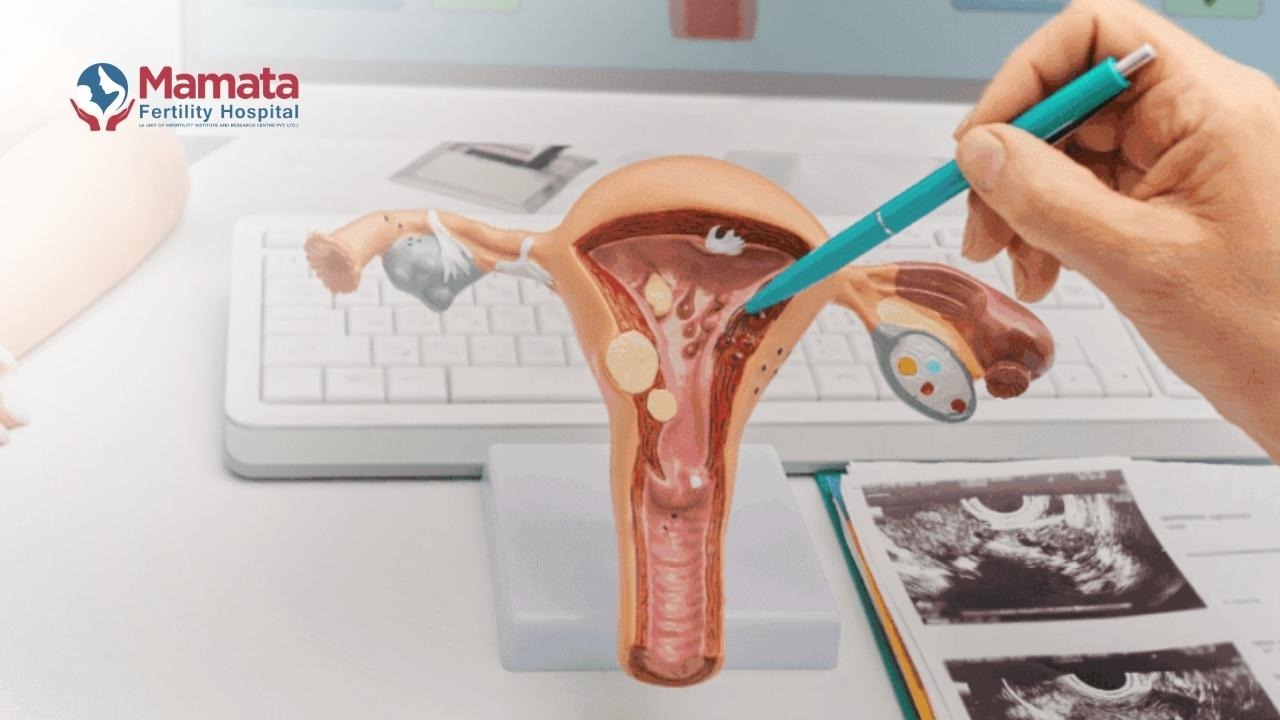
As a gynaecologist, I met a woman who felt uneasy upon hearing the phrase “thicker uterus” in their ultrasound results. It’s a common concern, especially among those wondering: Why is my endometrial lining thick after menopause? Should I be alarmed? Today, I want to break down this topic in clear, simple terms to help you better understand what’s happening in your body and know when it’s important to seek medical advice.
What Is Endometrial Thickness and Why Does It Matter After Menopause?
The endometrium is the inner lining of the uterus. In women of reproductive age, it grows and sheds every month during the menstrual cycle, preparing for a potential pregnancy. This cycle is driven by hormones like estrogen and progesterone.
However, after menopause, which we define as going 12 consecutive months without a period your ovaries stop producing these hormones. As a result, the endometrial lining usually becomes thin and inactive. Normally, in postmenopausal women, this lining should measure less than 4 to 5 millimeters on an ultrasound if there’s any vaginal bleeding. In women without bleeding, up to 6 millimeters is generally considered safe.
But sometimes, we find that the endometrium becomes thicker even after menopause. While this can be harmless in many cases, it may sometimes signal underlying issues that need further investigation.
What Symptoms Might Suggest a Problem?
The most common sign of abnormal endometrial thickness in postmenopausal women is vaginal bleeding or spotting. This bleeding might be light pink, brown, or even bright red. Any bleeding after menopause should always be checked by a doctor, as it may be the first sign of conditions that require treatment.
Sometimes, we detect a thickened endometrial lining incidentally during an ultrasound done for other reasons, even when there are no symptoms. In such cases, whether or not to investigate further depends on how thick the lining is and your overall health risk factors.
What Causes Thickened Endometrium After Menopause?
Several factors can influence endometrial thickness in postmenopausal women. Let’s go through the most common ones that I often see in my clinical practice:
1. Hormonal Imbalance
Even after menopause, certain factors can lead to increased estrogen levels in the body without enough progesterone to balance it. This is called unopposed estrogen exposure and can cause the endometrium to grow excessively.
Common sources of unopposed estrogen include:
- Obesity (fat tissue can produce estrogen)
- Certain types of hormone replacement therapy (HRT)
- Ovarian tumors that produce estrogen
- Polycystic ovary syndrome (PCOS)
- Some medications like tamoxifen, often used in breast cancer treatment
2. Medical Conditions Like Hypertension and Diabetes
Chronic conditions such as Hypertension (high blood pressure) and diabetes have also been linked to changes in the endometrial lining. These conditions may contribute to hormonal and metabolic imbalances that stimulate the endometrium to grow thicker than usual.
3. Structural Changes Inside the Uterus
Sometimes, physical changes inside the uterus itself can make the lining appear thicker. These include:
- Endometrial polyps: Small, benign growths that can develop on the uterine lining
- Fibroids: Non-cancerous growths that can distort the shape of the uterus
- Adenomyosis: When endometrial tissue grows into the muscle wall of the uterus
4. Medications and Hormone Therapy
Certain medications can have an impact on the uterus. For example, tamoxifen may cause the endometrial lining to become thicker or develop polyps. Some women on hormone replacement therapy, especially if they take estrogen alone without progesterone, may also experience thickening of the lining.
5. Rare But Serious Causes
Although most cases are benign, we always want to rule out serious conditions like:
- Endometrial hyperplasia: An overgrowth of cells that can sometimes turn into cancer if untreated
- Endometrial cancer: More common in women who have risk factors like obesity, diabetes, a family history of cancer, or prolonged unopposed estrogen exposure
How Do We Diagnose Abnormal Endometrial Thickness?
When you come to my office with concerns about bleeding or an abnormal ultrasound finding, we usually start with a transvaginal ultrasound. This test allows us to measure the endometrial thickness accurately and check for polyps, fibroids, or any irregularities inside the uterus.
If your endometrial lining is thicker than expected, or if you have symptoms like bleeding, we may recommend further tests such as:
- Endometrial biopsy: A small sample of tissue is collected from the lining to check for abnormal or cancerous cells.
- Saline infusion sonohysterography: A special type of ultrasound where saline is injected into the uterus to get a clearer view.
- Hysteroscopy: A procedure where a tiny camera is inserted into the uterus to directly look at the lining.
What Treatments Are Available?
Treatment depends on the cause. Many women with mild thickening and no symptoms may not need any treatment but will be monitored regularly. For others, we may recommend:
- Medications: Progesterone therapy can help balance hormones and reduce thickness, especially in cases of hyperplasia.
- Surgical procedures: Polyps or fibroids can often be removed using minimally invasive techniques. If cancer or pre-cancer is diagnosed, a hysterectomy (removal of the uterus) may be necessary.
- Managing underlying conditions: Controlling conditions like diabetes and high blood pressure can also help stabilize endometrial health.
How Can You Reduce Your Risk?
As I often tell my patients, a healthy lifestyle plays a big role in keeping your uterus and your whole body healthy. You can lower your risk of endometrial thickening by:
- Maintaining a healthy weight
- Managing chronic conditions like hypertension and diabetes
- Using hormone replacement therapy cautiously and under medical supervision
- Avoiding unnecessary use of medications like tamoxifen unless medically required
- Reporting any postmenopausal bleeding to your doctor promptly
Conclusion
Understanding endometrial thickness after post menopause can feel overwhelming, but with proper evaluation and personalized care, most conditions can be managed effectively. Not every thickened lining means cancer, but it does deserve careful attention to rule out serious issues and provide peace of mind.
At Fertility Hospital Hyderabad, we’ve helped many women navigate this journey with compassion, clarity, and expert care. If you experience any concerning symptoms or have questions about your uterine health, don’t hesitate to seek medical advice. Early evaluation is the key to keeping you healthy and safe.

Dr Aarti Deenadayal Tolani
MBBS, MS ( OBGYN), FICOG
Clinical Director, Scientific In- Charge & Fertility Consultant with 22+ years Of Experience
TSMC Reg. No. 51895
Her Expertise:
CONSULT FERTILITY SPECIALIST

BLOGS & ARTICLES
After Pregnancy Sex: Is It Good or Bad?
Understand chemical pregnancy, its causes, symptoms, and relation to IVF. Find support and expert care to move forward with hope.
Is Endometriosis Affecting Your Fertility?
Endometriosis can affect fertility by causing inflammation, scarring, and hormonal imbalances. Early diagnosis and expert care improve chances of conception.
How to Prevent Chemical Pregnancy?
Learn how to prevent chemical pregnancy with expert tips, medical advice, and emotional support. Consult Mamata Fertility Hospital Hyderabad for guidance.
What is Chemical Pregnancy?
Understand chemical pregnancy, its causes, symptoms, and relation to IVF. Find support and expert care to move forward with hope.
How to Avoid Pregnancy Naturally?
How to Avoid Pregnancy Naturally?PregnancyPreventing pregnancy is a deeply personal decision that requires careful consideration and understanding. Many women of reproductive age seek natural family planning methods as a way to avoid pregnancy without the use of...
Can Precum Cause Pregnancy?
Can Precum Cause Pregnancy? PregnancyUnderstanding Precum and Its Role in Conception When discussing fertility and reproduction, many individuals and couples often wonder, Can precum cause pregnancy? To answer this, it’s important to first understand what precum is....
How to Increase Hemoglobin in Pregnancy?
How to Increase Hemoglobin in Pregnancy?PregnancyMaintaining healthy hemoglobin levels during pregnancy is essential for both maternal and fetal well-being. Hemoglobin, a protein in red blood cells, carries oxygen throughout your body and to your baby. Low hemoglobin...
35-Day Cycle: When to Test for Pregnancy
Wondering when to take a pregnancy test with a 35-day cycle? Learn the best timing for accurate results, testing tips, and expert advice from Mamata Fertility Hospital Hyderabad.
Home Pregnancy Test After IVF Embryo Transfer: What You Need to Know
Home > Blogs > Home Pregnancy Test After IVF Embryo TransferHome Pregnancy Test After IVF Embryo Transfer: What You Need to KnowSuccessfully navigating the in vitro fertilisation (IVF) process is a monumental step for many couples trying to conceive. After an...
Precautions After Embryo Transfer in IVF
Home > Blogs > Precautions After Embryo Transfer in IVFPrecautions After Embryo Transfer in IVFIVF, or in vitro fertilisation, can be a life-changing procedure for couples struggling with infertility. The process involves multiple stages, culminating in an...
