

Is Endometriosis Pain Worse During Period? Specialist Explains Connection
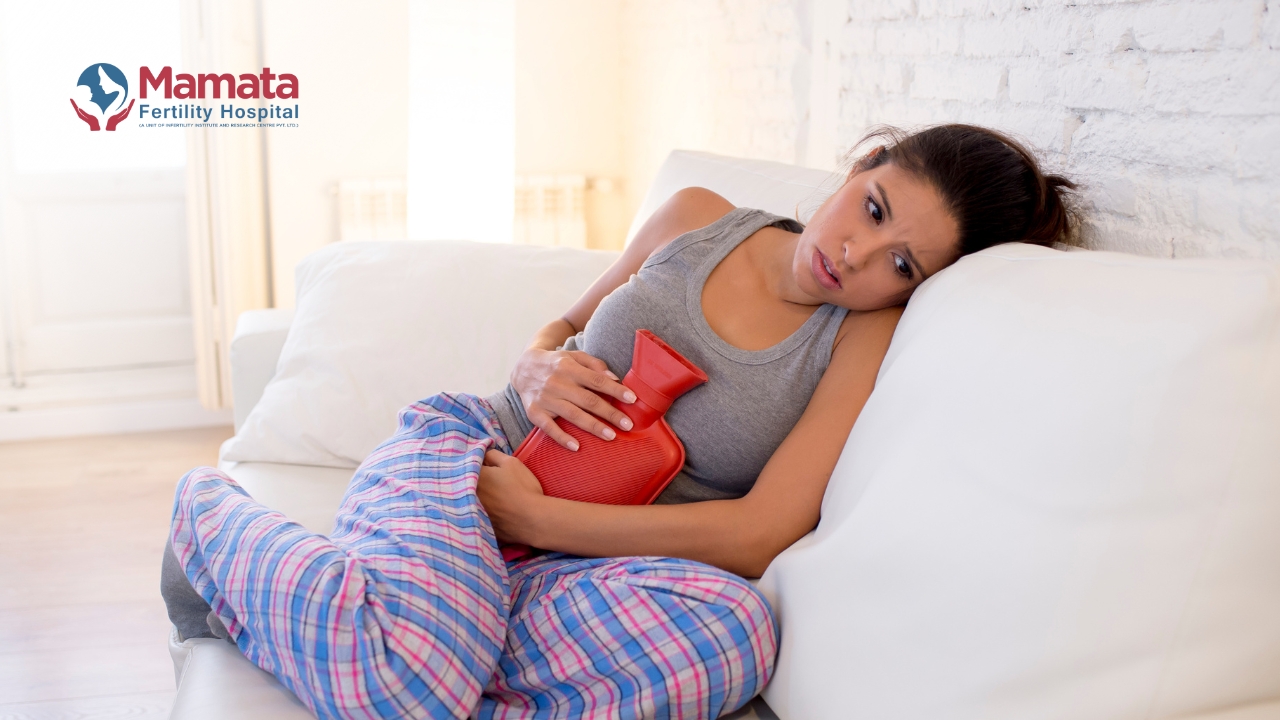
Menstrual cramps are a common experience for many young women, but when they become unusually severe and debilitating, they could signal an underlying condition like endometriosis.
Often misunderstood as just “bad periods,” severe menstrual cramps, known as dysmenorrhea, can significantly impact the lives of teenagers and young women.
Endometriosis is a condition that requires early diagnosis for effective management and to prevent complications such as chronic pain or reproductive issues in the future.
This article explains the connection between severe menstrual cramps and endometriosis, highlights key symptoms, underscores the importance of early diagnosis, and discusses available treatment options.
If you or someone you know struggles with painful periods, consulting a Endometriosis specialists in Hyderabad can help identify the root cause and provide relief.
What Are Menstrual Cramps (Dysmenorrhea) & Why Are They Severe in Endometriosis?
Menstrual cramps, or dysmenorrhea, refer to the throbbing or cramping pain in the lower abdomen that occurs during menstruation. There are two types of dysmenorrhea:
- Primary Dysmenorrhea: This is common in teenagers and young adults and is caused by natural uterine contractions during menstruation.
- Secondary Dysmenorrhea: This is linked to underlying medical conditions, such as endometriosis, and often worsens over time.
Why is endometriosis pain so severe?
Endometriosis occurs when tissue similar to the uterus lining grows outside the uterus.
These growths, or lesions, act like normal endometrial tissue—they thicken, break down, and bleed during the menstrual cycle.
However, without an exit point, this blood becomes trapped, causing inflammation, irritation, and severe pain.
Teenagers and young women with endometriosis frequently experience secondary dysmenorrhea that is more intense and long-lasting than normal period cramps.
Pain may begin before the menstrual period and persist throughout its duration, often radiating to other areas like the legs or back.
Does Endometriosis Cause Pain Only During Period?
A common misconception is that endometriosis pain is limited to the menstrual period.
However, this condition can cause a wide spectrum of pain that occurs both during and outside of cycles.
As a Endometriosis specialist in hyderbad, I’ve seen patients struggle with persistent pelvic discomfort, sometimes daily, not just when they menstruate.
Endometriosis lesions can create chronic inflammation in the pelvic cavity.
This ongoing irritation leads to chronic pelvic pain—a dull, aching discomfort that may persist all month.
These lesions can also form around nerves, amplifying pain signals even between periods.
Many women also report dyspareunia (pain during intercourse) because endometriotic tissue can grow behind the uterus, on the ligaments, or even the vaginal walls, making intimacy uncomfortable or distressing.
Others may feel pain during bowel movements or urination, especially if endometriosis is present on the bowel wall or bladder.
For example, deep infiltrating endometriosis in the rectovaginal septum can make passing stool quite painful, sometimes with associated bleeding.
This wide variety of pain experiences is due to the unpredictable spread of endometriosis and the chronic inflammatory response it triggers.
If you notice persistent pelvic pain, discomfort with sex, or pain with urination or bowel movements—regardless of the time in your cycle—it’s important to discuss these with a expert gynecologist for early diagnosis and targeted treatment.
Do Painful Periods Mean Endometriosis?
How to know if you have endometriosis?
Not every painful period is caused by endometriosis, but debilitating period pain is never normal. It’s crucial to distinguish between the two types of dysmenorrhoea:
- Primary Dysmenorrhoea: This is “normal” period pain. It’s caused by uterine contractions driven by prostaglandins and typically begins within the first couple of years after menstruation starts. The pain usually lasts for 1-2 days and responds well to standard painkillers. There is no underlying pelvic disease.
- Secondary Dysmenorrhoea: This is period pain caused by an underlying gynaecological condition, with endometriosis being the most common culprit. Key differences I look for in my patients include:
- Timing: The pain often starts several days before the period and can continue after it ends.
- Progression: The pain tends to get worse over the years, not better.
- Associated Symptoms: It is often accompanied by other symptoms like pain with intercourse, chronic pelvic pain outside of the period, or painful bowel movements.
- Chronic pelvic pain outside of periods.
- Painful bowel movements or urination during menstruation.
- Fatigue due to chronic inflammation and disrupted sleep.
- Bloating and nausea, sometimes referred to as “endo belly.”
- Pain during intercourse, even in younger women not sexually active, this can translate to pelvic discomfort during activities such as sports.
- Poor Response to Medication: Standard painkillers that used to work become ineffective.
So, while painful periods are not an automatic diagnosis of endometriosis, severe, life-altering pain that fits the pattern of secondary dysmenorrhoea is a major red flag that warrants a thorough investigation.
If such symptoms are present, consulting a Gynaecologist who has expertise in treating severe endometriosis is critical for further evaluation.
Can a 17-Year-Old or Teenager Have Endometriosis?
Absolutely. This is a critical point that is often missed, leading to years of diagnostic delay.
In my practice at Mamata Fertility Hospital, I have diagnosed and treated many teenagers with endometriosis.
The misconception that it’s a disease of older women is dangerous and leads to the dismissal of genuine suffering in young girls.
Symptoms in teenagers can begin shortly after their first period.
They often present with severe dysmenorrhoea that causes them to miss school, sports, and social activities.
Because hormonal treatments like birth control pills are often prescribed for painful periods without a definitive diagnosis, the underlying endometriosis can be masked for years.
The diagnostic process in teenagers is handled with extra sensitivity.
We rely heavily on a detailed history and non-invasive imaging like ultrasound and MRI.
Laparoscopic surgery is considered if symptoms are severe and unresponsive to medical therapy.
Early diagnosis and management in teenagers are vital not only for providing pain relief and improving their quality of life but also for preserving their future fertility potential.
Ignoring severe period pain in a teenager is a disservice to their long-term health.
Why Diagnosing Endometriosis in Young Women Is Challenging?
Diagnosing endometriosis in teenagers and young women can be challenging for several reasons:
- Symptom Overlap: Symptoms like cramps and irregular bleeding are often dismissed as normal for growing teens.
- Misdiagnosis: Conditions like irritable bowel syndrome (IBS) or urinary tract infections (UTIs) may mask endometriosis.
- Delayed Awareness: Many believe severe dysmenorrhea is normal and wait years before seeking medical advice.
On average, a diagnosis of endometriosis takes 7 to 10 years after symptoms begin.
This delay can lead to worsening disease progression and complications such as chronic pain or infertility.
Benefits of Early Diagnosis
Detecting and managing endometriosis early offers several benefits:
- Preventing Organ Damage: Treating lesions before they spread can minimise scarring and adhesions in the pelvic area.
- Improved Fertility Preservation: Early intervention protects ovarian function and reduces the risk of infertility.
- Pain Relief: Managing symptoms early improves quality of life and emotional well-being.
If you or your teenage daughter suffers from painful periods that make daily activities difficult, visiting a Gynaecologist ensures timely medical evaluation.
How is Endometriosis Diagnosed in Women with Painful Periods?
Endometriosis requires a combination of medical history, physical exams, and specific diagnostic tools.
- Detailed Discussion of Symptoms: A gynaecologist will ask about menstrual patterns, pain severity, and other relevant signs.
- Pelvic Ultrasound: While not definitive, this imaging test can detect ovarian cysts associated with endometriosis.
- Pelvic MRI: Provides a more detailed view of pelvic organs and identifies deep infiltrating endometriosis.
- Diagnostic Laparoscopy: This is the gold standard; it involves a small abdominal incision to directly view and biopsy endometrial lesions.
For teenagers, non-invasive techniques like ultrasounds and symptom tracking are often used first. A skilled Gynaecologist will guide patients through minimally invasive procedures if needed.
What Are The Best Treatment Options for Endometriosis?
Both surgical and non-surgical approaches are available to manage endometriosis, depending on its severity and individual patient needs.
Medical Management
- Hormonal Therapy
Hormonal treatments aim to stop ovulation or menstruation, reducing the growth and inflammation caused by endometrial lesions. Options include:
-
- Oral contraceptive pills (OCPs).
- Progestin-based treatments like intrauterine devices (IUDs).
- GnRH agonists, which induce a temporary menopause-like state.
- Pain Management
Nonsteroidal anti-inflammatory drugs (NSAIDs) like ibuprofen are often prescribed to reduce inflammation and ease cramps.
- Lifestyle Changes
- An anti-inflammatory diet rich in fresh fruits, vegetables, and omega-3 fatty acids can help reduce flare-ups.
- Regular exercise and yoga improve blood flow and lower stress, which can exacerbate symptoms.
Endometriosis Excision Surgery: Gold Standard Treatment To Get Rid Of Disease Permanently!
For women with severe symptoms unresponsive to medication:
- Laparoscopic Surgery removes visible lesions and scar tissue. Early intervention through surgery ensures better outcomes for fertility preservation.
Discussing options with a trusted Gynaecologist ensures a care plan tailored to individual goals, particularly for teenagers concerned about long-term impacts like fertility.
When to See a Expert Gynaecologist?
Teenagers and young women should see a Gynaecologist for dysmenorrhea if:
- Severe pain prevents attendance at school, work, or sports.
- Symptoms like bloating, fatigue, or pain persist outside of periods.
- There’s a family history of endometriosis or similar conditions.
Early intervention reduces future complications, allowing young women to lead healthier, pain-free lives.
Severe menstrual cramps are not something anyone should simply endure. Consult Expert At Earliest.
Severe menstrual cramps are not something anyone should simply endure, especially when conditions like endometriosis could be at the root.
Recognising the signs early and seeking help from an experienced Gynaecologist in Secunderabad or Hyderabad ensures the best chance of effective management and symptom relief.
With the right combination of medical expertise and support, teenagers and young women with endometriosis can manage their symptoms and look forward to a brighter future.
If you suspect your symptoms may be related to endometriosis, don’t wait—contact Mamata Fertility Hospital today and take the first step towards living pain-free.
Your health matters, and help is just a call away.

Dr Aarti Deenadayal Tolani
MBBS, MS ( OBGYN), FICOG
Clinical Director, Scientific In- Charge & Fertility Consultant with 20+ years Of Experience
Her Expertise:
CONSULT FERTILITY SPECIALIST

Latest Blogs

How to Read and Interpret a Semen Analysis Test Report?
Learn how to read and interpret a semen analysis report, including sperm count, motility, morphology, semen volume, vitality, Total Motile Count, and WHO 2021 reference values.

How to Choose an IVF Clinic: A Patient’s Checklist
Choosing an IVF clinic? Use this patient checklist to compare diagnosis, ART registration, success rates, costs, treatment teams, add-ons and support.

Understanding Sperm DNA Fragmentation Test and IVF Success
Understand sperm DNA fragmentation testing, DFI levels, causes of high sperm DNA damage, and how SDF can affect IVF, ICSI, embryo quality and miscarriage risk.

Oligospermia Treatment: Low Sperm Count & Pregnancy Options
Oligospermia means a low sperm count. Learn its causes, diagnosis, treatment options, IUI, IVF with ICSI, and chances of conception.
